
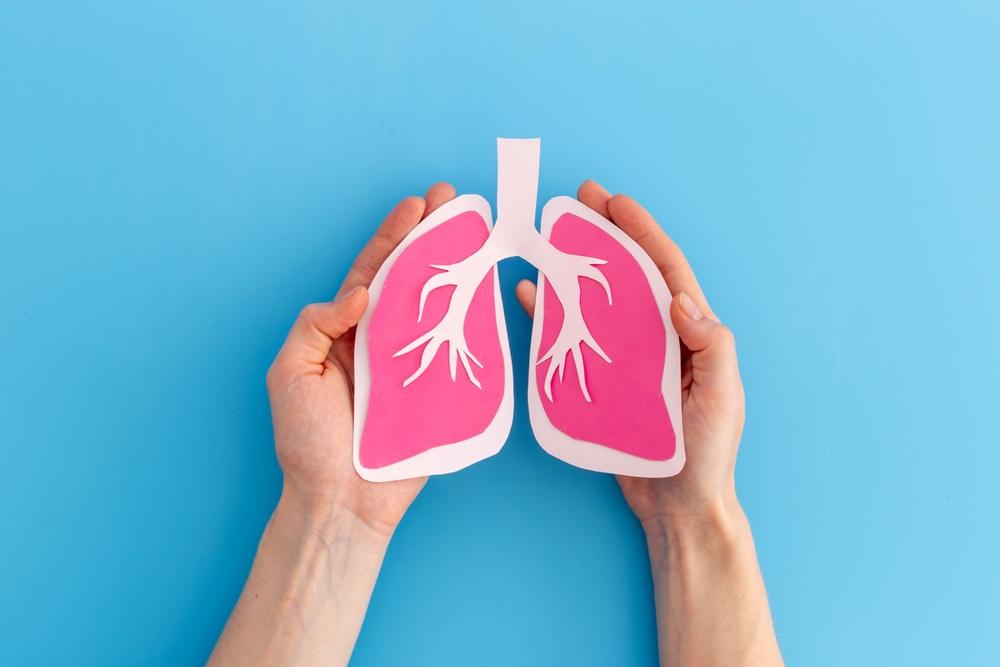
Caring for your lungs is essential for maintaining overall health and wellbeing. Understanding how to enhance lung function through informed lifestyle choices can significantly impact your respiratory health.
Understanding Lung Function
Your lungs are two soft, spongy organs situated on either side of your chest, responsible for inhaling oxygen, which is then transferred to your bloodstream and circulated throughout your body. Simultaneously, carbon dioxide, a waste product, moves from your blood to your lungs to be exhaled. The lungs also serve as a protective barrier, filtering out and expelling harmful substances from the air.
Genetic factors and specific lifestyle choices can negatively affect lung function, potentially leading to serious health issues. It is important to recognise that daily habits can either fortify or compromise lung health. While breathing is an automatic process, the manner in which we breathe can have a considerable impact.
The Importance of Movement
Physical activity plays a vital role in maintaining lung health. Regular exercise is often underestimated as a means of improving respiratory function. Simple activities such as laughing or singing can enhance lung capacity and promote the clearance of stale air. Such movements not only strengthen the lungs but also improve overall lung elasticity.
Diet also plays a crucial role; a diet rich in whole foods can support lung health, whereas processed foods and excessive dairy may increase mucus production, hindering respiration. As we age, lung function naturally declines, but proactive measures can mitigate these effects.
Strategies for Lung Health
Avoiding smoking and exposure to second-hand smoke is one of the most effective strategies for preserving lung health. Staying physically active and enhancing indoor air quality can have a lasting positive impact on respiratory well-being. Additionally, adopting a lung-friendly diet is essential for supporting long-term lung function.
Practising deep diaphragmatic breathing, often referred to as belly breathing, can significantly improve lung capacity and strengthen respiratory muscles. Engaging in specific forms of exercise can facilitate full lung expansion, enhance oxygen flow, and improve circulation.
Hydration and Lung Resilience
Staying adequately hydrated is crucial, as dehydration can lead to thickened mucus, making it more challenging for the lungs to expel irritants. Drinking sufficient water throughout the day helps to prevent congestion and ensures optimal lung function. Even individuals who have previously smoked can find reassurance in the knowledge that lung function can begin to improve within weeks of cessation.
Seasonal Considerations for Lung Health
As seasons change, many people experience shifts in their habits that may inadvertently affect lung health. Cold weather can exacerbate conditions like asthma, prompting an increased focus on managing symptoms and avoiding triggers. It is essential to remain vigilant about environmental factors that could impact respiratory health.
Maintaining an active lifestyle, consuming a balanced diet rich in fruits and vegetables, and being mindful of air quality are all vital components of promoting lung health. While genetics can influence longevity, adopting healthy habits can significantly enhance both the quality and length of life.
Protecting Your Lungs from Pollution
While the most effective way to protect lung health is to refrain from smoking, the increasing prevalence of pollution from vehicles and industrial sources poses additional risks. Using appropriate masks can provide a layer of protection against airborne pollutants. Masks with a rating of N95 or higher are recommended for filtering out harmful particles, especially for those with pre-existing lung issues.
Ultimately, the benefits of regular exercise far outweigh potential risks associated with environmental pollutants. By prioritising lung health through informed choices and proactive measures, individuals can significantly enhance their respiratory wellbeing.




More Stories
Understanding Women’s Weight and Metabolism: The Impact of Hormones on Health
The Best Time to Begin HRT: Discover the Advantages of Early Treatment
Exploring Runoff: Its Impact on Our Roads and Rivers