
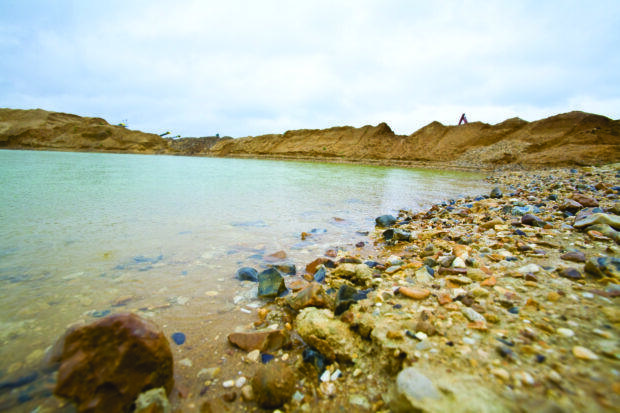
Water plays a vital role in various aspects of life, including drinking, agriculture, industry, wildlife, and recreational activities. Effective management of our rivers, lakes, estuaries, wetlands, and groundwater is crucial for meeting the needs of society, the economy, and the environment sustainably over time.
The year 2026 has recorded the driest July in nearly two centuries, with only 5 per cent of the expected rainfall. This unprecedented situation has intensified the demand for water abstraction, particularly for irrigation purposes. Agricultural reservoir levels have swiftly diminished, especially for those who rely significantly on storage facilities. For individuals or organisations owning, operating, or intending to construct a reservoir, new planning guides have been introduced to clarify the necessary requirements.
The Importance of Sustainable Water Abstraction
To ensure that river flows and groundwater levels can adequately support ecological systems and natural resilience, sustainable water abstraction is essential. Collaboration with abstractors is key to balancing the needs of the public, industries, farmers, and the environment.
Abstraction refers to the process of extracting water from rivers, lakes, or groundwater sources for various uses, including irrigation, industrial processes, recreation, and drinking water supply. The Environment Agency issues abstraction licences to safeguard both the environment and the rights of existing lawful water users.
Holders of abstraction licences are permitted to extract water in accordance with the conditions specified in their licences. Generally, a licence is required for any abstraction exceeding 20 cubic metres per day, although certain activities, such as firefighting, are exempt. If water is extracted from the same source at multiple locations, the total combined abstraction must not exceed 20 cubic metres per day to qualify for exemption.
Those without a licence may negotiate a trade or share with an existing licence holder, either temporarily or permanently, as long as all licence conditions are still adhered to. If the abstraction point is altered, the buyer of the abstraction right typically must apply for their own licence or amend their existing one if applicable.
Managing Restrictions on Abstraction
The Environment Agency has the authority to impose two primary types of restrictions on abstractors during periods of water scarcity: hands-off flow conditions and Section 57 restrictions. Hands-off flow conditions on licences may reduce or halt abstraction to protect other users and the environment. Many of these restrictions have been implemented in 2026 due to notably low river flow levels. Licence holders affected by hands-off flow conditions will be notified as far in advance as possible when these conditions come into effect.
Section 57 of the Water Resources Act 1991 allows formal notices to be issued to holders of spray irrigation abstraction licences to safeguard river flows during drought conditions across a catchment area. To optimise the use of water permitted by their licences, spray irrigation licence holders are encouraged to:
- Monitor water consumption and ensure accurate measurement devices are installed.
- Prevent and address leaks promptly.
- Maintain equipment to ensure it is properly set up.
- Implement irrigation scheduling to apply the correct amount of water at the appropriate times.
For the latest updates regarding irrigation prospects for the summer of 2026, refer to the information available on the official government website.
Collaboration with Stakeholders
The Environment Agency works closely with farmers, the National Farmers Union (NFU), Water Abstraction Groups (WAGs), and Internal Drainage Boards (IDBs) to provide advance notice of any cessation conditions that may need to be applied to abstraction licences in order to protect the environment. Regular irrigation patrols and compliance checks are conducted to ensure that all abstractors are adhering to their licence conditions, thereby safeguarding water availability.
If abstractors anticipate difficulties in complying with their abstraction licence or face challenges in accessing water supplies, they are encouraged to contact their local area office for guidance as soon as possible.
Support for Abstraction Licence Holders
General guidance is available for abstraction licence holders experiencing the impacts of prolonged dry weather and drought, outlining both short-term and long-term strategies to enhance water access and resilience.
For immediate support, licence holders should:
- Consult with the Environment Agency regarding options outside their licence conditions.
- Consider trading water rights with other licence holders, as detailed on the official government website.
In the long term, several schemes exist to assist abstractors in achieving water resilience. The establishment of Water Abstractor Groups (WAGs) is encouraged to enable collaborative planning for future water needs. Funding from Defra has been allocated to Regional Water Resources Groups to support these initiatives, along with updated guidance for farmers in setting up WAGs.
Additionally, the latest round of Local Resource Option (LRO) Screening Studies has been launched, assisting groups of farmers in identifying practical solutions for long-term water resilience. The application window for 2026/27 has closed, with selected projects underway, though further opportunities may arise on a first-come, first-served basis if funds are still available. Interested parties can contact WRAgriculture@environment-agency.gov.uk for more information.
Defra is also providing targeted support to farmers through initiatives such as the Sustainable Farming Incentive (SFI) and the Accelerating Development of Practices and Technologies (ADOPT) fund, which offer grants for smaller-scale, farmer-led projects aimed at trialling new water conservation technologies on farms.
Incident Reporting and Further Assistance
Members of the public are encouraged to report any incidents that may arise by calling the dedicated hotline at 0800 80 70 60, which is free of charge and available 24 hours a day. Incidents warranting reporting include:
- Distressed fish.
- Collapsed or severely damaged riverbanks and riverbeds.
- Unusual decreases in river flow.
- Illegal water extraction from rivers, streams, canals, or underground sources like wells.
Additional information on various incidents and the reporting process can be found on the official government website. For further inquiries, individuals may contact the National Customer Contact Centre at 03708 506 506.



More Stories
Essential Guide to Understanding Young-Onset Dementia: Key Facts and Insights
Harnessing Science to Tackle the Tyne Nurdle Pollution Crisis
Understanding Exfoliation: Its Importance for Healthy Skin Explained