
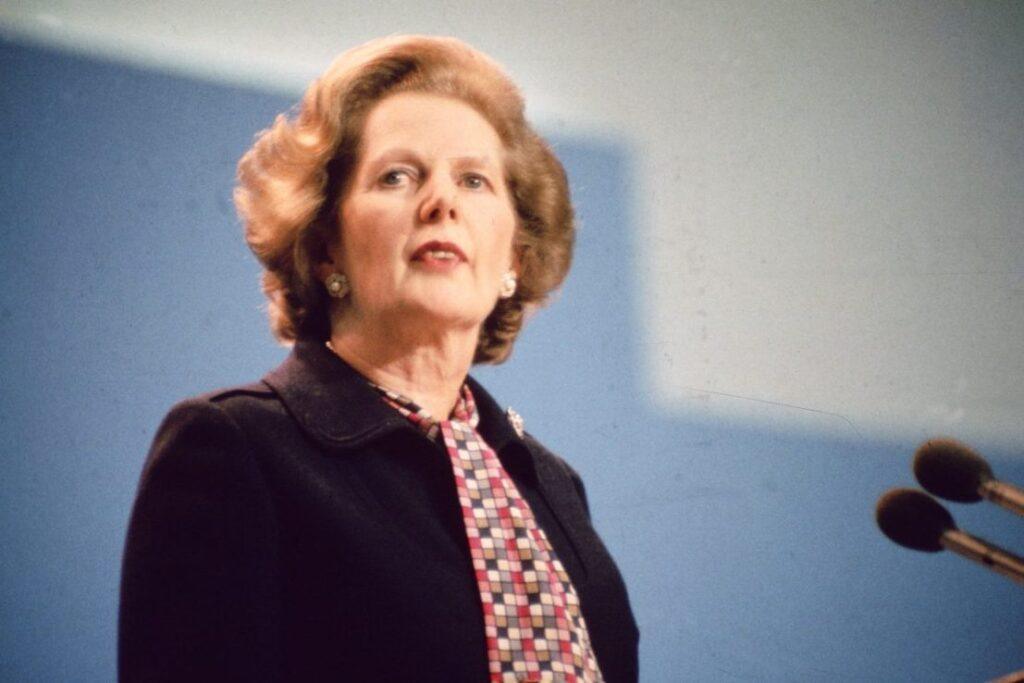
Even after more than three decades since she vacated Downing Street, Margaret Thatcher continues to evoke strong feelings among figures like Andy Burnham and the wider British left. Their ongoing critiques, however, often miss the mark, reflecting a complex legacy that transcends mere political partisanship.
Thatcher’s Enduring Legacy
Thatcher’s tenure as Prime Minister was marked by significant economic reforms and a robust approach to governance that reshaped the political landscape in the United Kingdom. While her policies remain contentious, they also laid the groundwork for many contemporary debates regarding economic strategy and social policy. Critics often focus on the divisive aspects of her leadership, such as the impact of her economic policies on industries and communities. Yet, these criticisms can sometimes overlook the broader context of her reforms, which aimed to revitalise a struggling economy. This duality in her legacy complicates the narrative painted by her detractors.
For many on the left, Thatcher is synonymous with austerity and social injustice, evoking memories of widespread unemployment and industrial decline. However, an exclusive focus on these negative aspects can obscure the positive changes she implemented. For instance, her government championed deregulation and promoted entrepreneurship, which have been instrumental in fostering a more competitive economy. Thus, while it is essential to address the adverse effects of her policies, it is equally important to recognise the systemic shifts that were initiated during her premiership.
Critiques Beyond the Surface
Andy Burnham’s continued references to Thatcher reflect a broader strategy within certain political circles to rally support against perceived neoliberal ideologies. However, this approach often simplifies a complex historical figure into a mere caricature, failing to engage with the nuances of her policies and their consequences. Such characterisations can lead to a narrative that limits constructive dialogue about the future of British politics and economic policy.
Moreover, the fixation on Thatcher can detract from addressing contemporary issues that require urgent attention, such as housing shortages and inter-generational inequality. By perpetuating a singular focus on past leaders, political discourse risks becoming stagnant, sidelining innovative solutions that could address current challenges. Engaging critically with history is vital for shaping future policies, but it must be done with a balanced perspective that acknowledges both the successes and failures of past administrations.
Moving Towards Constructive Dialogue
As the political landscape continues to evolve, it is crucial for leaders like Burnham and others on the left to transcend the bogeyman of Thatcherism and engage in more nuanced discussions regarding economic and social policies. This involves recognising the complexities of Thatcher’s legacy while also exploring how her policies have shaped the current socio-economic environment. Emphasising constructive dialogue over divisive rhetoric can pave the way for innovative solutions that resonate with a diverse electorate.
Ultimately, the challenge lies in learning from the past while forging a path that addresses the pressing needs of today. Acknowledging Thatcher’s multifaceted legacy can provide valuable insights that inform contemporary debates and help build a more inclusive future for all segments of society.




More Stories
How Peppa Pig and the Lionesses are Teaming Up to Score Big for Families
Palantir Resolves £50 Million Dispute with Met Police Amid Concerns Over ‘Unlawful’ Bias
Foreign Nationals’ Benefits and Pensions Estimated to Cost £23 Billion: Key Insights