
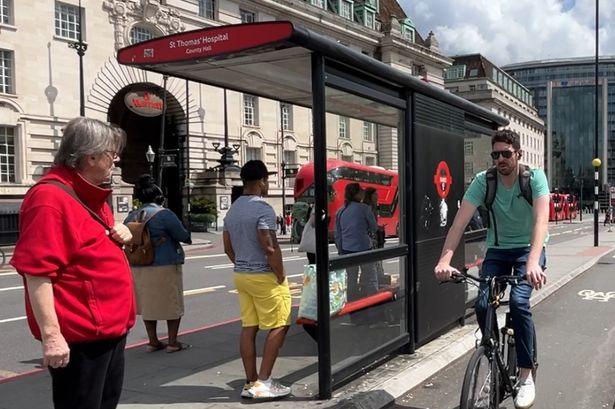
Advocacy organisations for blind and partially sighted individuals have urged the government to take stronger action regarding floating bus stops, asserting that these structures pose a considerable risk to vulnerable residents of London who rely on bus services. The groups argue that the design and placement of these bus stops create hazardous conditions, particularly for those with visual impairments.
Concerns Over Safety at Floating Bus Stops
Floating bus stops, which are situated between cycle lanes and the main road, have been a contentious topic among transport planners and disability advocates. Campaigners highlight that these stops can cause confusion and disorientation for visually impaired passengers, who may struggle to locate the bus stop or navigate the area safely. The absence of clear auditory signals and tactile guidance further exacerbates the challenges faced by those with sight loss.
Supporters of the campaign have documented several incidents where blind and partially sighted individuals found themselves in precarious situations while attempting to board or alight from buses at these floating stops. With the rise in cycling and the increasing popularity of such infrastructure, campaigners are concerned that the safety of vulnerable road users is being overlooked.
Calls for Comprehensive Review and Action
In light of these concerns, the campaign groups are demanding a comprehensive review of the current floating bus stop designs across the capital. They are advocating for the implementation of more inclusive features, such as enhanced audio announcements and improved tactile paving, which would facilitate safer access for all passengers.
Additionally, the groups are pressing for increased awareness and training for transport staff to better assist individuals with disabilities. They believe that fostering a more inclusive public transport system is vital to ensuring that all Londoners can navigate the city safely and independently.
Government’s Response to Accessibility Issues
In response to the growing concerns raised by these advocacy organisations, government officials have acknowledged the need for ongoing discussions regarding public transport accessibility. They have indicated a willingness to collaborate with stakeholders to explore potential modifications to floating bus stops, aiming to enhance safety for all users.
As the debate continues, the call for urgent action highlights the importance of prioritising the needs of vulnerable populations in urban planning and transport policies. Ensuring that everyone, regardless of their level of sight, can travel confidently and safely on London’s public transport is a goal that remains at the forefront of these campaigners’ efforts.


More Stories
Two London Bakers Eliminate Each Other in Great British Bake Off’s Thrilling Bread Week
City Leaders Alert: Healey Bank Tax Increase Could Force Businesses to Leave the UK
Housebuilders Abandon London Amid Labour’s Planning ‘Nightmare’ Crisis