
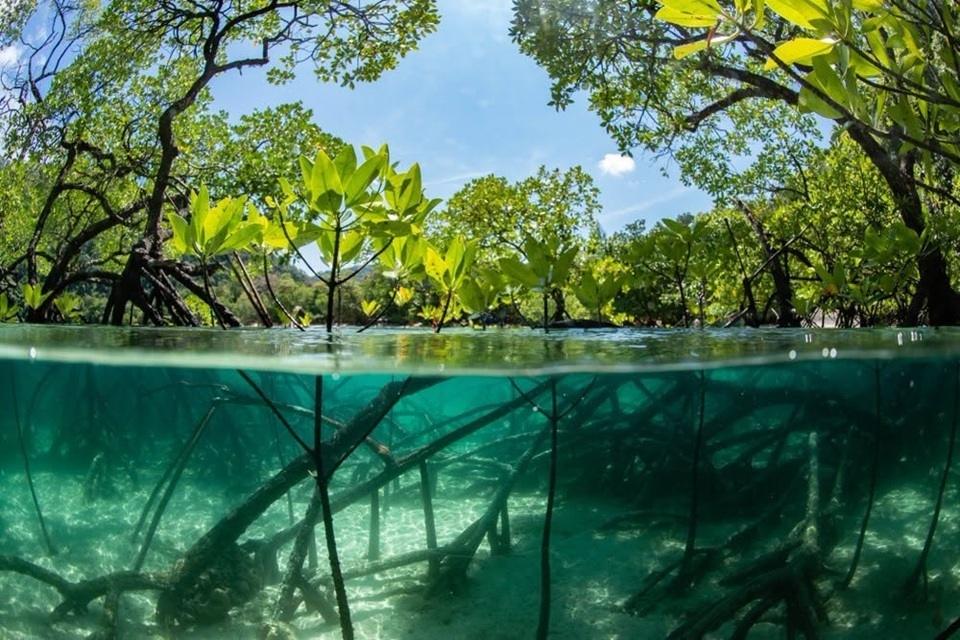
Revive (Just Restoration and Equitable Value Chains for Inclusive, Viable Mangrove Ecosystems) aims to extend its focus beyond mere tree planting, delving into how revitalised landscapes can benefit both communities and ecosystems. Backed by the UK Government, the initiative will investigate how the restoration of mangroves can safeguard ecosystems while simultaneously creating equitable opportunities for coastal communities reliant on these vital resources.
Collaborative Research Initiative Launched
In celebration of International Mangrove Day 2026 on 26 July, a groundbreaking international research project spearheaded by the University of Manchester has been announced. This initiative is supported by key Malaysian institutions, including Universiti Kebangsaan Malaysia, Universiti Malaysia Terengganu, the University of Warwick, Cardiff University, the National University of Singapore, and the Penang Inshore Fishermen Welfare Association. The project seeks to fundamentally reassess the trade-offs and synergies between mangrove restoration and commercial value chains.
Dr Aarti Krishnan, a Senior Lecturer in Innovation and Sustainability at Alliance Manchester Business School, will lead the project, with support from Dr Aldrie Amir, an Associate Professor at Universiti Kebangsaan Malaysia, and other colleagues. The research will focus on three significant Malaysian mangrove landscapes: the Matang Mangrove Forest Reserve in Perak, Sungai Acheh and Sungai Chenaam in Penang, and Setiu Wetlands State Park in Terengganu.
Addressing Community Involvement in Restoration Efforts
Mangroves serve as crucial protectors of shorelines, act as carbon sinks, sustain fisheries, and underpin local livelihoods. However, restoration initiatives can sometimes leave communities in low-wage roles or exclude them from the broader benefits brought about by healthier ecosystems. Revive aims to adopt a different strategy by integrating community governance, environmental data, and equitable pathways into higher-value markets.
This ambitious project is funded by the Global Centre on Biodiversity for Climate (GCBC) within the UK Department for Environment, Food and Rural Affairs (Defra) and is set to run from July 2026 to June 2029.
Expert Insights on Mangrove Ecosystems
Dr Aldrie Amir from Universiti Kebangsaan Malaysia commented on the significance of mangroves, stating, “Mangroves represent the quintessential habitat and ecosystem of the tropics. Coastal communities have relied on the resources provided by these wetlands since time immemorial. These communities are often the first to feel the adverse effects of mangrove degradation, whether due to natural or human-induced factors. Thus, they should be the primary beneficiaries of efforts to protect intact mangrove habitats and rehabilitate those that have been disturbed.”
Moreover, Dr Aarti Krishnan emphasised that Revive focuses on people, livelihoods, and power dynamics, asking who benefits from restored landscapes. “We aim to ascertain how to define and measure ‘just restoration’ so that communities are acknowledged as stewards, decision-makers, and active participants in equitable value chains,” she stated.
Importance of Mangroves in Climate Resilience
His Excellency Ajay Sharma, the British High Commissioner to Malaysia, remarked on the critical yet often overlooked role of mangroves: “Mangroves deserve more recognition. In the face of climate change, rising sea levels, storm surges, and coastal erosion, these ecosystems provide indispensable natural infrastructure, aiding in carbon reduction, biodiversity protection, and sustainable livelihoods. The UK Government is proud to support this innovative research collaboration between British and Malaysian institutions, aimed at promoting sustainable restoration and conservation of these essential ecosystems.”
Multidisciplinary Approach to Research and Innovation
The Revive project will assemble a multidisciplinary team encompassing expertise in geography, marine ecology, economics, management studies, and data and decision sciences. Anticipated outputs include scholarly articles, policy briefs, open datasets, and restoration maps, alongside innovative business models that address trade-offs. A community-led initiative, the “Mangrove Memory Archive,” will also be developed to document local experiences related to floods, fisheries, food security, work, loss, and restoration efforts.
An advisory board comprising specialists from government, conservation, responsible business, and international development sectors will provide support throughout the project’s duration.


More Stories
HM Land Registry Introduces Property Identifiers for Price Paid Data Starting 28th August
Housing Associations Focus on Enhancing Consumer Experience with Upgrades
Gain Financial Relief on Your Energy Bills: Discover Tips for Reducing Costs