
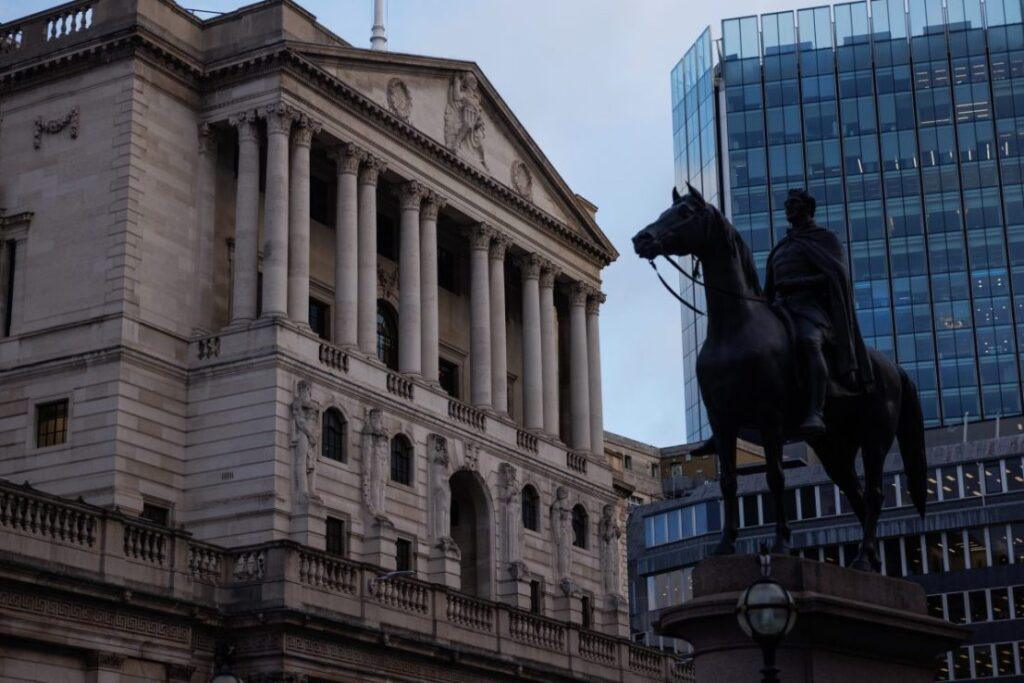
The Bank of England’s Monetary Policy Committee has opted to maintain interest rates at 3.75 per cent during their latest meeting on Thursday. This decision comes amidst ongoing discussions surrounding the economic outlook and inflationary pressures affecting the UK economy.
Understanding the Current Economic Landscape
The decision to keep interest rates steady reflects a cautious approach by the Bank as it navigates the complexities of current economic conditions. With inflation rates remaining a focal point, the committee is weighing the potential impacts of adjusting interest rates on both consumers and businesses. The stability of interest rates is seen as a measure to support economic growth while keeping inflation in check.
As the UK continues to recover from the economic disruptions caused by recent global events, the Bank of England is under pressure to balance various factors, including employment levels, consumer spending, and international trade dynamics. The committee’s deliberations are pivotal in shaping monetary policy that aims to foster a stable economic environment.
Insights from the City of London
Maurício Alencar, serving as Politics and Economics Reporter for City AM, provides in-depth coverage of the interplay between governmental policies and their impact on the City of London and the wider UK business environment. His insight into the intricacies of UK economic data—from inflation trends to immigration issues—offers a comprehensive perspective for understanding the broader implications of monetary policy decisions.
With a background that includes reporting on sports, foreign affairs, and investigative journalism, Alencar brings a multifaceted approach to his analyses. He continues to explore significant narratives that influence decision-makers in the realm of economics, including developments from the Bank of England, the Treasury, and pertinent business surveys.
The Role of the Bank of England
The Bank of England plays a crucial role in the UK’s economic management, particularly through its setting of interest rates which affect borrowing costs and consumer behaviour. By maintaining the current rate, the Bank aims to provide a degree of certainty in a time of fluctuating market conditions. This strategic decision underscores the importance of closely monitoring economic indicators to inform future policy adjustments.
As the landscape of UK economics evolves, the Bank of England’s decisions will remain a central focus for those analysing the implications for the business sector and the general populace. The interplay of monetary policy with other economic factors will continue to be a topic of significant interest for economists and policymakers alike.




More Stories
Foreign Nationals’ Benefits and Pensions Estimated to Cost £23 Billion: Key Insights
Tories Caution Burnham Against Succumbing to Left-Wing Pressure Over Bank Tax Raid
London Property Listings Plummet to Lowest Levels Since 2023