
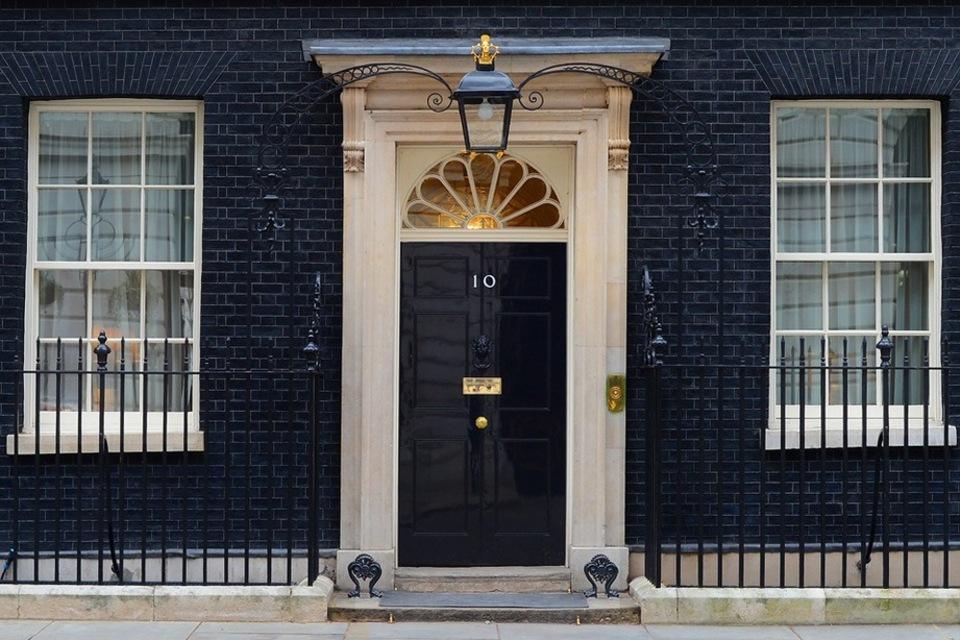
From January 2027, millions of bus passengers across the country will benefit from significant savings as the Prime Minister, Andy Burnham, announces a cap on single bus fares at £2. This initiative, designed to alleviate the financial pressures many face due to the rising cost of living, will ensure that everyday travel for work, education, healthcare, and leisure becomes more affordable.
Fare Reductions for Everyday Journeys
The introduction of the £2 cap marks a substantial reduction of up to a third on single bus fares, which will be in effect for the entirety of 2027. This measure is expected to provide vital support to many, especially as it comes at a time when household budgets are stretched thin. The previous fare cap had already resulted in an impressive 30 million additional bus journeys taken within just ten months.
Buses serve as a lifeline for numerous communities, connecting residents to essential services and opportunities. With the backing of an additional £400 million in funding, this fare cap aims to enhance access to affordable public transport, particularly for those grappling with economic hardship. By reducing the cost of travel, the government hopes to open doors to employment and support local economies.
Prior to this cap, passengers on some of the most expensive routes were facing single fares that could exceed £10. The implementation of the fare cap is particularly beneficial for individuals residing in rural and coastal regions, where transport options are often limited and costs can be disproportionately high.
Supporting Young People and Communities
Access to affordable transport is crucial for young individuals seeking employment opportunities. The reduction in fares aims to ease the financial burden on young job seekers, enabling them to travel for work and training without the added stress of high travel costs.
Prime Minister Burnham emphasised the importance of affordable transport, stating, “Good, affordable transport links are essential. No one should be priced out and left behind.” He reiterated his commitment to ensuring that every community is connected, thereby fostering better access to opportunities and easing the financial strain on individuals.
Chancellor John Healey also underscored the significance of this initiative, highlighting that the fare cap will provide much-needed relief for millions, funded through prudent budget management rather than imposing additional burdens on taxpayers.
Investment in Local Transport Initiatives
Transport Secretary Heidi Alexander noted that lowering fares to £2 is a pivotal step towards making everyday journeys more manageable. This initiative is part of a broader strategy to enhance connectivity and improve access to essential services, including education and healthcare.
The funding for this fare reduction, amounting to an additional £454 million, is derived from a reassessment of budget priorities, allowing for a reallocation of resources. Currently, fares are capped at £3 until the end of March 2027, but the new measure will lower fares to £2 starting in January, providing local authorities with the certainty needed for future planning.
In tandem with this fare cap, the government has also allocated £100 million for free bus travel for children aged 5-15 on participating services, enhancing support for families during the summer months.
Empowering Local Authorities
The government is actively encouraging local authorities to implement bus franchising, enabling them to take control of their transport services. This initiative aims to ensure that local needs are met effectively, building upon the success of the Bee Network in Greater Manchester, where similar fare caps have been in place for four years.
Moreover, the government is set to consult on providing mayors with greater planning powers to help address public transport challenges more effectively. This approach aims to equip local leaders with the tools necessary to tailor transport solutions to meet the specific needs of their communities.
With over £1 billion already committed annually to bus services for the next three years, this investment will empower local leaders to enhance service reliability and expand routes, ensuring that public transport meets the demands of both urban and rural areas.
Looking Ahead to a More Accessible Future
Passengers across England, excluding London, will be able to take advantage of the £2 fare cap from January. For now, the majority of single bus fares will continue to be capped at £3 until the end of the year. Funding for devolved governments will be allocated in accordance with the Barnett formula.
This new fare cap arrives alongside the announcement of the first rail fare freeze in three decades, which is expected to save passengers approximately £600 million, with some commuters benefiting from savings of over £300 annually.
In response to these developments, Jason Prince, Director of the Urban Transport Group, expressed enthusiasm for the government’s recognition of the bus’s critical role in daily life. He welcomed the fare reductions as a means to make bus travel more accessible and to potentially increase passenger numbers, thereby benefiting local communities.
Looking forward, there is optimism about collaborating with the government to explore further initiatives aimed at enhancing bus services and improving outcomes for passengers throughout the country.

More Stories
UK Welcomes Syrian Democratic Forces’ Integration into Central Government: Statement at UN Security Council
Kidlington Waste Site Transformed Following Major Clean-Up Operation
Cari-Anne Quinn: Pioneering Health Innovation in Wales to Transform Possibilities into Progress