
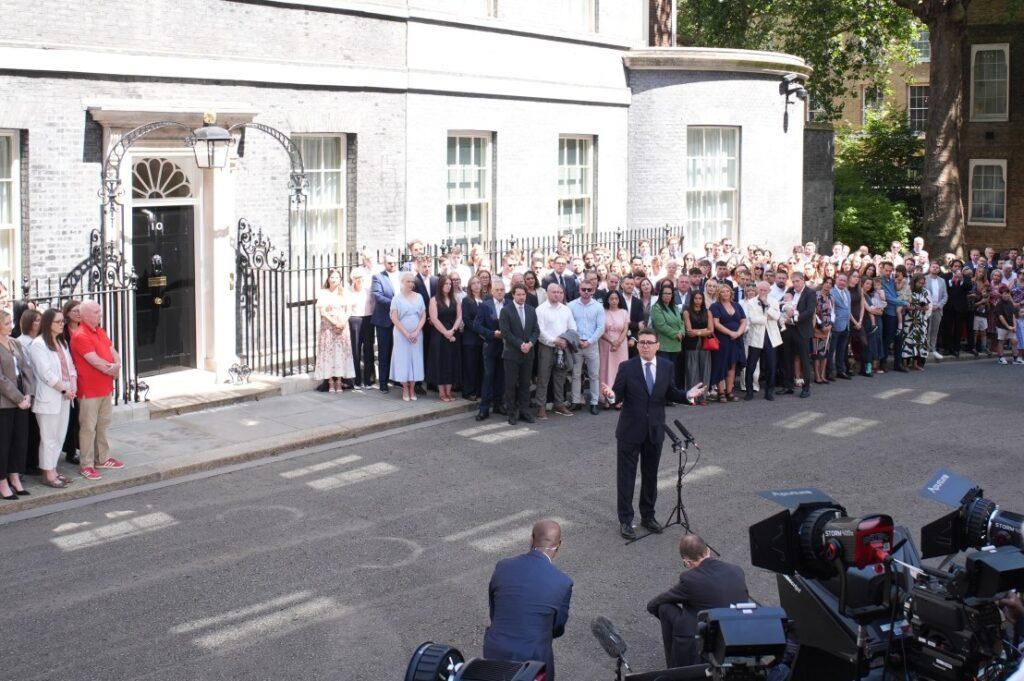
It appeared rather audacious, to say the least, that our newly appointed Prime Minister could introduce such an ambitious agenda without a single vote having been cast. This bold move raised eyebrows and sparked discussions about the legitimacy of launching extensive plans prior to securing public support through the ballot box.
The Significance of the Announcement
On Monday, 20th July 2026, a significant day for Andy Burnham, the announcement set the stage for a transformative period in British politics. The unveiling of the agenda was not merely a political exercise; it signified a commitment to change that would resonate across various sectors of society. However, the timing and context of this proclamation prompted numerous questions regarding the democratic process and the expectations of the electorate.
Burnham’s vision, marked by an ambitious blueprint aimed at tackling pressing issues, was met with mixed reactions. While some applauded the forward-thinking approach, others expressed concern over the lack of a mandate to implement such sweeping reforms. This tension between ambition and accountability is a recurring theme in political discourse, especially when new leaders seek to assert their vision without the backing of electoral validation.
Public Perception and Political Implications
The public’s response to Burnham’s agenda will undoubtedly shape the political landscape in the months to come. With social media amplifying voices from all corners, the debate surrounding the legitimacy of the Prime Minister’s actions is likely to intensify. Critics argue that launching an agenda without public endorsement undermines the democratic process, while supporters may view it as a necessary step towards progress.
As the political narrative unfolds, it will be crucial for Burnham and his team to engage meaningfully with constituents and demonstrate how their plans align with the needs and desires of the populace. A successful political strategy will require not only ambitious proposals but also a commitment to transparency and inclusivity in the decision-making process.
The Role of Media in Shaping Dialogue
In this context, the media plays a pivotal role in shaping public dialogue. Commentators and analysts must navigate the complex landscape of political rhetoric and public sentiment, providing insights that foster understanding rather than division. As an experienced journalist, I recognise the responsibility that comes with reporting on such significant events, particularly when they hold the potential to alter the course of national policy.
Through thoughtful analysis and balanced reporting, the media can facilitate a more informed discussion about the implications of Burnham’s agenda. This will not only benefit the electorate but also ensure that the government remains attuned to the voices of those it serves, reinforcing the foundation of democratic governance.




More Stories
Former Wasserman Talent Agency to Undergo Second Rebranding Following Ghislaine Maxwell Controversy
Midday Markets: Discover the One Tax You Can Rely On for Financial Gain
Impact of Bank Tax Raid on JP Morgan’s Canary Wharf Skyscraper: What You Need to Know