
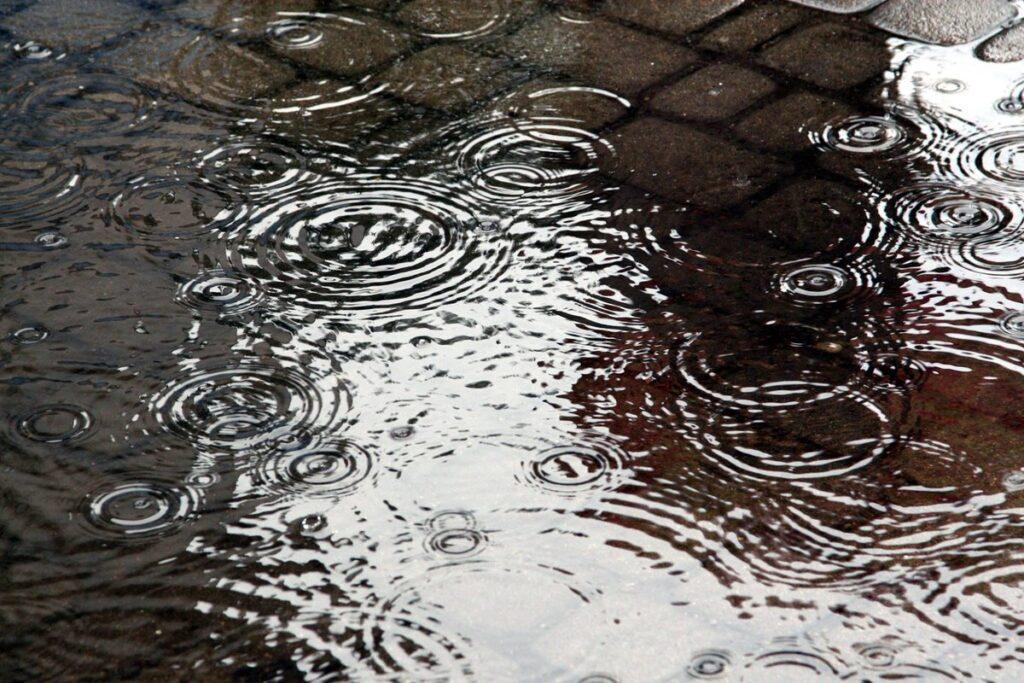
At the Flood & Coast Conference 2026, Philip Duffy, Chief Executive of the Environment Agency, addressed the pressing challenges posed by climate change and their implications for flooding management. He outlined a new approach to flood defence delivery and emphasised the necessity for collaborative efforts to develop the systems and capabilities required to meet the nation’s flood defence ambitions in the coming years. This article encapsulates the key points of his speech.
Record-Breaking Weather Patterns
Having served at the Environment Agency for three years, I have witnessed firsthand the increasingly erratic weather patterns affecting the UK, similar to trends observed globally. In January 2024, Storm Henk brought unprecedented conditions, with the Avon, Thames, Trent, and Severn all surpassing record water levels within the same week. By September 2024, the East Midlands experienced an astonishing 300% of its average rainfall, while the northwest of England recorded a staggering 90 millimetres on New Year’s Day 2025. Such levels of rainfall are typically associated with tropical climates, making their occurrence in England’s northwest particularly alarming. On that day, the Mersey reached an astonishing height of 3.2 metres above its historic maximum at Brinksway.
Moreover, it is not merely rainfall that is breaking records; England also recorded its highest consecutive temperatures for May, peaking at 35.1 degrees Celsius. These instances underscore a clear message from climate scientists: our weather is becoming increasingly volatile and extreme. We are observing a discernible pattern: wetter winters, hotter and drier summers, and when precipitation occurs, it is characterised by heavier and more destructive downpours.
The Consequences of Climate Volatility
This volatility has tangible implications: escalating flood risks for communities, disruptions to infrastructure and agriculture, and mounting pressure on the systems we depend upon daily. Perhaps the most challenging aspect for professionals like myself, who strive to communicate these risks, is that the changes we are witnessing are merely the beginning, with significantly more challenges on the horizon.
Last year marked a significant milestone for the Environment Agency with the release of our latest National Flood Risk Assessment (NAFRA 2). This assessment allowed us to utilise more contemporary climate science to evaluate flood risk at a granular level, down to two square metres throughout England. The findings revealed that 6.3 million homes are currently at risk of flooding, a figure projected to rise to 8 million by mid-century. Surprisingly, the greatest risk does not stem from rivers or coastal areas, but rather from sudden surface water flooding triggered by summer storms. Alarmingly, many individuals in at-risk areas remain unaware of their vulnerability and lack knowledge on necessary precautions should flooding occur.
The Broader Impact of Flooding
The ramifications extend beyond residential properties; 59% of England’s grade 1 agricultural land is at risk of flooding, while nearly half of our rail network and a third of our road network are also susceptible. Ignoring these risks could lead to severe economic consequences in the years to come.
Transforming Flood Defence Strategies
The shift in risk necessitates a corresponding evolution in our responses as a nation. Following last year’s spending review, the Treasury allocated £7.9 billion towards a decade-long capital investment strategy aimed at maintaining existing defences and funding new initiatives, including nature-based solutions and property-level flood resilience measures. Our objective is to safeguard an additional 840,000 homes by 2035-36.
Since 2015, improvements have been made to flood defences for 455,000 homes across England, thanks not only to the Environment Agency but also to numerous other authorities, with 62,000 of these enhancements occurring in the last two years. A significant portion of this funding will be directed towards constructing new defences, including major projects along the Thames, which holds the title of the largest undefended floodplain in Europe, as well as completing ongoing schemes like the Bridgewater Barrier.
Enhancing Community Resilience and Communication
We must acknowledge that flooding will continue to pose significant challenges for many communities in the future. Consequently, providing warnings, information, and resilience-building measures is just as vital as constructing defences. Last year, the Environment Agency issued 3,000 flood alerts and 900 severe flood warnings. Currently, 1.54 million individuals are registered with our new, complimentary flood warning system. In the coming year, we will invest £2.9 million to enhance our modelling capabilities, ensuring we remain responsive to climate and rainfall changes.
However, issuing warnings is only part of the solution. Communities require clear, actionable information, practical support, and the confidence to recover swiftly from flooding events. Property Flood Resilience initiatives represent one means to assist communities in adapting their homes for quicker recovery. In Devon, new forecasting systems have been implemented to provide earlier notifications of surface water flooding.
Integrated Water Management Approaches
The more I contemplate flooding, water quality, and pollution, the more convinced I become of the necessity to perceive water as an interconnected system, particularly at the catchment level. This perspective necessitates a shift towards regional systems planning, integrating water management, catchment strategies, and investment at a regional level to achieve optimal outcomes.
We cannot remain passive observers regarding the shifts in our climate or communities. We possess the capability and influence required to effect meaningful change. By collaborating across the voluntary sector, supply chain, public authorities, regulators, and government colleagues, we can truly make a significant difference.



More Stories
Reviving the River Rib: A Sustainable Restoration of Hertfordshire’s Chalk Stream
Understanding Skeeter Syndrome: When Mosquito Bites Cause More Than Just Itching
Discover 5 Incredible Health Benefits of Bees You Never Knew About