
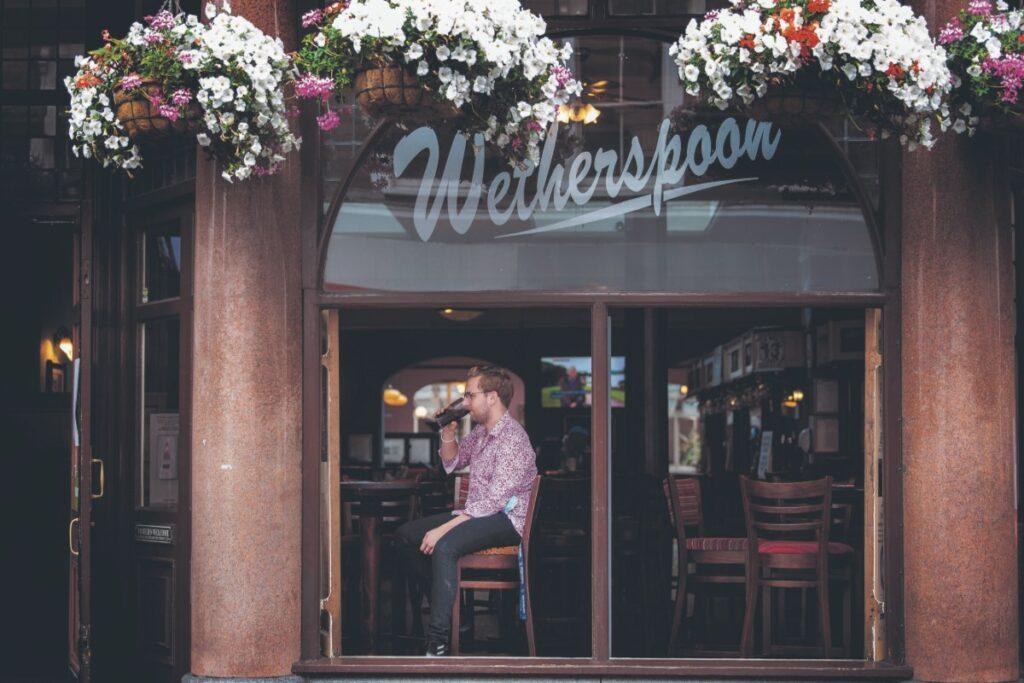
JD Wetherspoon, the UK’s most prominent pub chain, has expressed strong criticism of the government, attributing the current decline of high streets to increased taxation. The company argues that these financial burdens are detrimental to local businesses and the overall vibrancy of urban areas.
Concerns Over Taxation Impact
The management at Wetherspoon has voiced concerns that the government’s decision to raise taxes is contributing significantly to what they describe as “high street dereliction.” This term highlights the visible decline and abandonment of retail spaces in towns and cities across the UK. The pub chain believes that higher taxes hinder the ability of businesses to thrive, leading to a reduction in footfall and patronage.
In recent discussions, Wetherspoon’s representatives have called for a reassessment of the fiscal policies affecting the hospitality sector. They argue that instead of fostering a supportive environment for small and medium-sized enterprises, the increased tax burden complicates their financial stability and growth prospects.
Wetherspoon’s Perspective on the High Street
The chain has long maintained a strong presence on the high street, and its leaders are keenly aware of the challenges faced by their peers in the industry. They believe that a thriving high street is essential not only for economic health but also for the social fabric of communities. According to Wetherspoon, a vibrant public house culture is integral to the local economy, providing jobs and encouraging social interaction.
As the conversation around high street revival gains momentum, Wetherspoon’s stance draws attention to the broader implications of government policy on the retail and hospitality sectors. The chain’s management suggests that a reconsideration of tax strategies could lead to a more flourishing environment for businesses and, ultimately, a more engaged community.
The Future of High Streets in the UK
The ongoing discourse surrounding the future of high streets in the UK is complex, with various factors contributing to their decline. Wetherspoon’s perspective adds a critical voice to the narrative, urging policymakers to consider the long-term effects of taxation on local economies. The company’s plea underscores the need for a balanced approach that takes into account the welfare of businesses while still addressing governmental revenue needs.
In conclusion, JD Wetherspoon’s critique of government tax policies shines a spotlight on the pressing issues affecting high streets. As businesses continue to navigate these challenges, the call for a supportive legislative framework remains vital for sustaining vibrant and thriving communities.



More Stories
Costa Coffee Celebrates Significant Growth Following Coca-Cola’s Decision to Retain Ownership
Instagram’s Shares Dive Following Significant Revenue Forecast Reduction
Aldi’s Debt Soars by £100 Million Amid Falling Profits at Discount Supermarket