
Overview of Burrator Forest
Burrator Forest, covering an expansive 353 hectares, is situated adjacent to Burrator Reservoir on the fringes of Dartmoor National Park in Devon. This diverse woodland area is home to a variety of habitats, encompassing both native and non-native species. Owned by South West Water and managed by South West Lakes Trust, Burrator Forest forms part of a larger network of over 50 managed sites throughout south-west England, many of which include significant woodland areas. The establishment of this forest has been achieved through a combination of planting initiatives and natural regeneration methods.
The forest is classified as lowland broadleaved woodland, coniferous woodland, mixed plantation, riparian woodland, and wood pasture, among other designations. The site’s management is supported by funding from South West Water’s Water Industry National Environment Programme and Countryside Stewardship, which will continue until 2023. Key objectives for Burrator Forest include enhancing water quality, promoting timber production, conserving nature, ensuring recreational access, and developing rural skills.
Challenges from Livestock Grazing
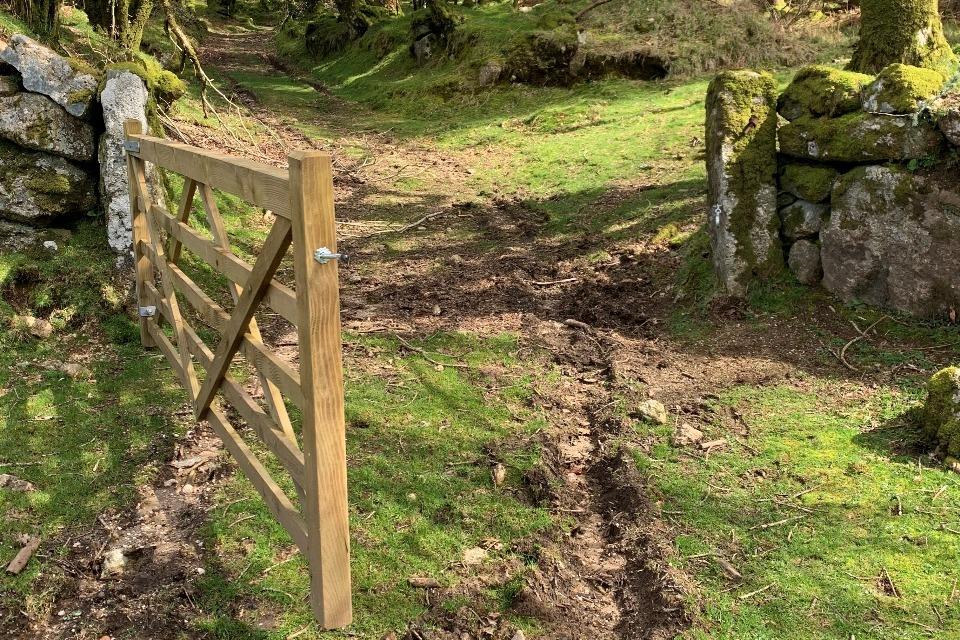
Local residents possess common land rights allowing them to graze livestock on the moor, which presents a challenge as there are no fences to separate this area from the forest managed by South West Lakes Trust. As a result, animals, including sheep, ponies, and cattle, often stray into the forest, particularly when gates are inadvertently left open by visitors or when fencing is compromised through vandalism.
This trespassing can lead to considerable damage to unprotected trees, both structurally and economically. Between 2024 and 2025, Burrator Forest suffered a loss of approximately £5,500 worth of conifer trees due to livestock grazing. Nicola Morris, Head of Environment at South West Lakes Trust, noted the difficulties in managing livestock within the woodland: “We planted those trees without guards, not anticipating the need for them, as we typically avoid using tree guards unless absolutely necessary. I have spent many hours attempting to remove ponies from the Burrator woodland area, which can be extremely challenging, especially when dense vegetation is present inside the fence line.”
Innovative Solutions for Tree Protection
To address the persistent issue of livestock encroachment, South West Lakes Trust has initiated the installation of self-closing mechanisms on existing gates within the forest. This strategy aims to enhance the integrity of the fencing while volunteers conduct regular patrols and audits to ensure the woodland’s protection. The total annual expenditure on fencing maintenance across the Trust’s estate is substantial, reaching hundreds of thousands of pounds.
Furthermore, in collaboration with tenant farmers, South West Water is trialling the use of Nofence collars as a form of virtual fencing to manage cattle movement more effectively. This innovative system employs GPS-enabled collars to replace traditional barriers. In 2024, 50 collars were fitted to cattle without any notable issues, prompting the acquisition of an additional 50 collars the subsequent year.
The data gathered from these collars is currently being analysed to discern cattle behaviour patterns, including preferred grazing areas and times of day when they are most active. This information will facilitate a targeted approach to protection, allowing the creation of small enclosures around trees and environmentally sensitive areas, thereby focusing on safeguarding vulnerable spots rather than restricting cattle movement across the landscape.
Collaborative Wildlife Management Approaches
South West Lakes Trust has partnered with Artemis Land Management Services to conduct surveys and implement control measures for deer and grey squirrels. Artemis maintains an active presence on the ground to deter browsing animals while installing additional fencing and undertaking selective culling when necessary.
The management strategies aimed at grey squirrels are still being developed in conjunction with various conservation organisations, including British Red Squirrel. These efforts are crucial in mitigating the damage caused by grey squirrels, particularly bark stripping, which adversely affects the economic value of the site’s commercial timber stock.
By collaborating with these organisations, South West Lakes Trust is creating opportunities to train personnel in ongoing woodland management activities. This approach not only aligns with the Trust’s objective to expand forestry operations but also supports rural skills development, ensuring essential forestry expertise is passed on to sustain long-term woodland management.
Integrating Innovative Practices in Forest Management
Emphasising a management strategy that is integrated, innovative, and grounded in evidence, the Trust is also exploring the use of sheep’s fleece mulch mats around individual trees to deter deer and other problematic mammals such as voles. Drawing from her experiences on sheep farms, Nicola has discovered that placing handfuls of raw fleece around trees can offer effective protection. However, utilising fleece or other animal by-products beyond farm settings necessitates proper treatment and licensing.
Interestingly, the Trust has observed that increased foot traffic in certain areas naturally deters deer, while sheep grazing in adjacent fields helps mitigate damage to trees within the surrounding woodlands.
The Role of Eurasian Beavers in Woodland Ecosystems
In contrast to the challenges posed by other wildlife, Eurasian beavers have emerged as beneficial allies at various sites managed by South West Lakes Trust. Their natural browsing activities contribute to controlling willow growth within the woodland, thus reducing the need for costly thinning interventions.
Moreover, their impact on vegetation along the site’s reservoirs enhances conditions for recreational activities such as angling by preventing excessive overgrowth, which might otherwise obstruct anglers as they cast their lines. While concerns regarding the potential negative effects of beavers do arise, their presence at South West Lakes Trust sites has largely been perceived as advantageous.
Nicola Morris remarked, “Currently, I see no downside to having beavers present in our woodland management. They are performing exceptionally well for us. One must approach forestry management with an open mind, prepared for unexpected behaviours from both livestock and wildlife. The key is to act based on the evidence gathered from on-the-ground observations; otherwise, one risks incurring significant expenses without achieving desired outcomes.”
Further Information and Resources
For more detailed information, the following resources may be beneficial:
- South West Lakes Trust – for additional insights into Burrator Forest.
- Farm Animal Welfare Committee – for an independent report on the welfare implications of using virtual fences for managing domestic livestock.
- Grey squirrel and deer damage to trees: visual guide – for guidance on identifying damage caused by grey squirrels and deer.
- Small mammal, beaver and domestic grazing species damage to trees: visual guide – for insights on identifying damage from grazing species.



More Stories
Domestic Abusers Risk Eviction as Survivors Secure Enhanced Housing Rights
10,000 Young People to Kickstart Careers in Britain’s Tech Sector with Nationwide Work Placements
UK Drivers Set to Save £300 on Home EV Charger Installations as Government Eases Regulations