
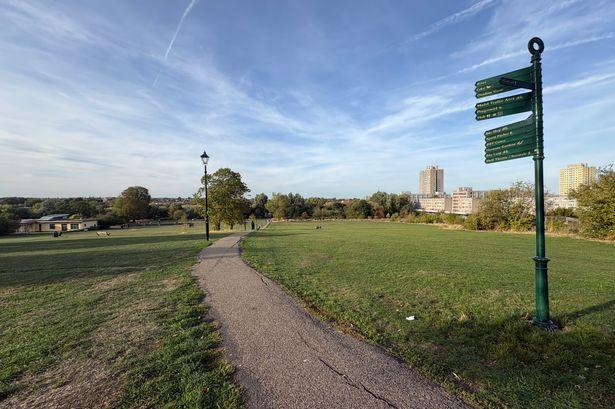
The state of the buildings was notably poor, reflecting a lack of maintenance over time. The surrounding area, which had once been a vibrant recreation ground, now resembled a barren landscape stripped of biodiversity. The traditional, closely mown grass offered little in terms of ecological variety or community engagement. Amidst these concerns, the local council contemplated drastic measures, including the potential felling of nearby woodlands, as a means to curb increasing instances of antisocial behaviour.
Community Concerns and Environmental Impact
This situation has sparked significant concern among residents who value both the natural environment and the community’s well-being. The proposed tree removal would not only disrupt the local ecosystem but also diminish the aesthetic appeal of the area, which many have long cherished as a green oasis within an urban setting. Furthermore, the woodland provides essential habitats for various species, and its loss would exacerbate the decline in biodiversity that the recreation ground is already experiencing.
Community members have begun to voice their discontent, arguing that rather than resorting to cutting down trees, the council should explore alternative solutions to enhance safety and promote social cohesion. Initiatives such as improved lighting, increased community activities, and the establishment of volunteer-led maintenance programmes could help address the antisocial behaviour without sacrificing the area’s natural beauty.
Alternative Solutions for Community Enhancement
Engagement with local residents is crucial in developing a comprehensive strategy that addresses both safety and environmental sustainability. By fostering a sense of ownership within the community, individuals may feel more inclined to take part in preserving and enhancing the recreation ground. Workshops and meetings could facilitate discussions on how to revitalise the area while simultaneously addressing concerns about antisocial behaviour.
Moreover, the introduction of native plant species and the creation of wildlife corridors could significantly improve biodiversity, transforming the site into a flourishing habitat that benefits both the environment and the community. These ecological enhancements could also serve as educational opportunities for local schools, encouraging young people to connect with nature and understand the importance of preserving their environment.
The Role of Local Authorities in Sustainable Management
It is vital for local authorities to recognise the interconnectedness of community well-being and environmental health. By prioritising sustainable management practices, they can create spaces that are not only safe and welcoming but also rich in biodiversity. Engaging in consultations with environmental experts and community groups can lead to innovative solutions that protect natural resources while addressing public safety concerns.
Ultimately, the future of the recreation ground hinges on a balanced approach that values both the ecological and social dimensions of the space. As discussions continue, the community remains hopeful that their voices will be heard, guiding the council towards decisions that foster a harmonious coexistence between nature and residents.



More Stories
“After 18 Years as a London Teacher, My New Mission is Helping Students Navigate ‘Big Feelings'”
Discover London’s Historic Barbershop Offering £60 Haircuts with Royal Treatment
Discover the UK’s Top Relocation Spot: Seaside Town Just 90 Minutes from London with Homes Starting at £285K