
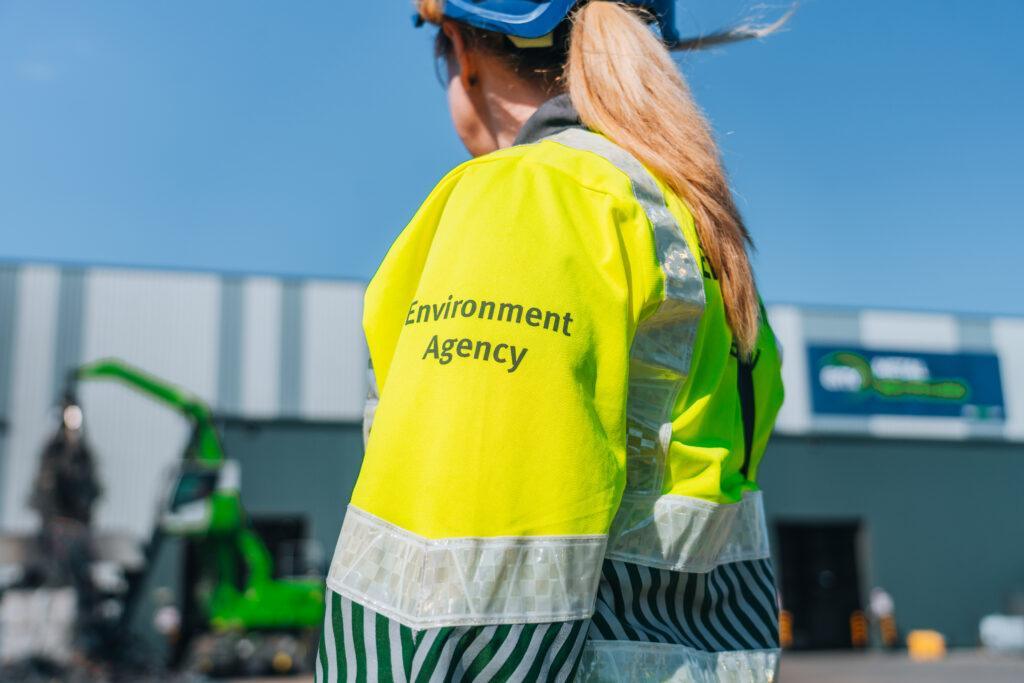
Each year, the Environment Agency processes in excess of 13,000 permit applications, encompassing a vast array of activities. From small waste transfer sites to permits governing the management of nuclear waste, each application plays a crucial role in safeguarding the air, land, and water that we all rely upon.
This article aims to elucidate what an environmental permit entails, the ongoing transformation of our permitting service, and the implications for applicants.
Understanding Environmental Permits and Their Necessity
An environmental permit establishes the conditions under which an individual or organisation may engage in activities that could potentially impact the environment. This means that any operation with the capacity to cause pollution, heighten flood risk, or influence land drainage or water resources must secure our approval. To ascertain if a permit is required, applicants can consult our resources.
When submitting an application, the business must detail how it intends to comply with the standards designed to protect both the environment and public health as specified in the Environmental Permitting Regulations (EPR). These regulations are designed to safeguard air, land, water, people, and wildlife by mandating preventative measures against environmental harm.
Our role involves reviewing applications to ensure they comply with EPR requirements, as well as consulting with the public and relevant professional partners where necessary. If an application satisfies all legal and technical criteria and there are no valid grounds for denial under the pertinent legislation, we can issue the permit.
Transformations in the Permitting System
We oversee more than 100,000 permits related to waste management, water usage, industrial emissions, flood risk, and radioactive substances. This diverse portfolio introduces substantial complexity, which our regulatory experts manage daily. However, it also presents significant opportunities for enhancing the efficiency of our system.
Feedback from businesses indicates a desire for greater certainty regarding timelines, while communities have expressed the need for increased transparency in decision-making processes. Consequently, we are implementing targeted improvements across our guidance, digital tools, and processes to expedite permitting while ensuring that high-risk permits receive the necessary scrutiny.
By March 2029, we aim to ensure that 95% of permits are determined within the designated timeframe. Currently, we have achieved this standard for our simplest permits, and we are working to extend this level of efficiency across all categories.
Implications for Permit Applicants
We are already witnessing tangible outcomes from these initiatives. Our backlog has been reduced by over 75%, queue times are at their lowest in three years, and we are processing 83% of all permit applications on time. Moreover, enhanced validation procedures have shortened the determination period for complex applications by approximately 100 days.
This advancement is the result of a comprehensive set of changes, including the introduction of new digital services, clearer guidance, and dedicated support for intricate projects. For instance, the Apply for and Manage Environmental Permissions service allows businesses to submit and oversee their environmental permissions online for the first time. This service is currently available for the application phase, covering activities ranging from vehicle dismantling and metal recycling to waste storage and treatment, mobile plant deployments, and herbicide agreements, with additional services to be introduced in due course.
Next Steps and How Applicants Can Facilitate the Process
Businesses and investors need assurance that decisions will be made promptly and consistently. We continuously assess the tools and guidance available to foster high-quality applications. Likewise, communities deserve the confidence that decisions will protect and enhance the environments they cherish. We are committed to delivering on both fronts.
Applicants can contribute to this process as well. If you are applying for a permit, particularly a complex one, consider utilising our pre-application service and ensuring that you provide complete, high-quality information from the outset. Getting it right the first time is the most effective way to help us expedite our decision-making.
Efficient and effective permitting represents one of the most powerful tools at our disposal for protecting homes and habitats while facilitating the necessary development across the country. We are making significant strides in this endeavour.
For ongoing updates, please follow the Chief Regulator’s LinkedIn page.




More Stories
Transforming Flood Defences: Building Resilience and Confidence in a Changing Climate
Optimal Meat Consumption: How Much Should You Really Be Eating?
Understanding the New Five-Day Limit: How Long Should You Safely Use a Decongestant Nasal Spray?