
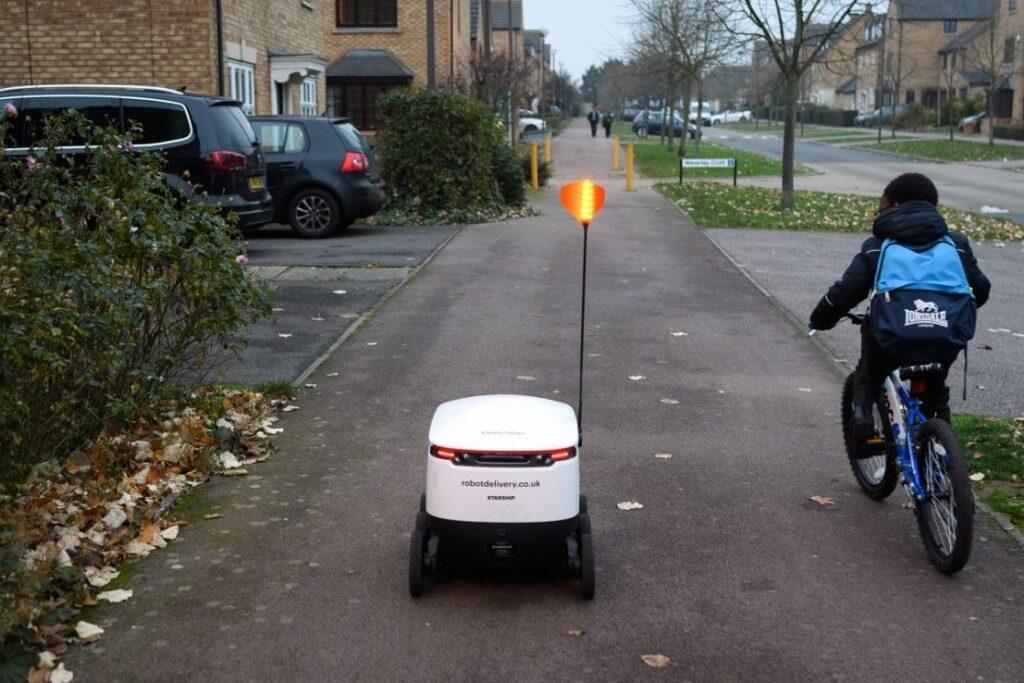
Delivery Robots: A Leap Forward or a Cause for Concern?
The rise of autonomous delivery robots has sparked a lively debate about their role in urban environments. Proponents argue that these innovative machines represent a significant advancement in delivery technology, promising increased efficiency and convenience for consumers. On the other hand, critics raise valid concerns regarding pedestrian safety and the potential repercussions of having these robots navigate busy streets and pavements.
Supporters of delivery robots highlight their capacity to transform the way goods are transported within cities. By utilising electric-powered vehicles that can traverse pavements and streets with minimal human intervention, these robots could significantly reduce delivery times and lower emissions associated with traditional delivery methods. This is particularly relevant in densely populated urban areas where traffic congestion and environmental considerations are pressing issues.
Pedestrian Safety and Urban Navigation Challenges
However, the integration of delivery robots into the urban landscape is not without its challenges. Critics point out that the presence of these machines could pose risks to pedestrians, especially in crowded areas where space is already at a premium. Concerns range from potential collisions to the robots obstructing walkways, which could inconvenience and endanger shoppers and commuters alike.
Moreover, navigating complex urban environments is no simple task for these robots. They must adapt to varying conditions, including uneven pavements, pedestrian traffic, and changing weather patterns—factors that can complicate their journeys. As cities evolve and adapt to new technologies, the question remains: can we find a balance that allows for the safe coexistence of delivery robots and pedestrians?
The Future of Urban Delivery Systems
As cities consider the future of their delivery systems, it is essential to engage in comprehensive discussions involving all stakeholders. This includes urban planners, local governments, and the public, who all play a vital role in shaping the policies governing the use of delivery robots. Establishing clear guidelines and infrastructure improvements could help mitigate risks while harnessing the benefits of this technology.
Ultimately, the success of delivery robots will depend on their ability to integrate seamlessly into the existing urban fabric. With thoughtful regulation and design, these machines could enhance urban life, providing a glimpse into a future where technology and everyday life align more harmoniously.
Balancing Innovation with Community Concerns
As the debate continues, it is clear that both sides present compelling arguments. The potential for delivery robots to revolutionise urban logistics is enormous, yet the implications for pedestrian safety cannot be overlooked. Striking a balance between embracing innovation and addressing community concerns will be crucial for the successful implementation of this technology.
In conclusion, whether viewed as a sign of progress or a threat to pedestrian safety, delivery robots embody the complexities of modern urban living. As cities evolve, so too must our approach to integrating new technologies in a manner that prioritises the well-being of all urban residents.




More Stories
Midday Markets: Discover the One Tax You Can Rely On for Financial Gain
Impact of Bank Tax Raid on JP Morgan’s Canary Wharf Skyscraper: What You Need to Know
Big Four Firms Secure £1.5bn in Government Contracts Despite Labour’s Commitment to Reduce Spending