
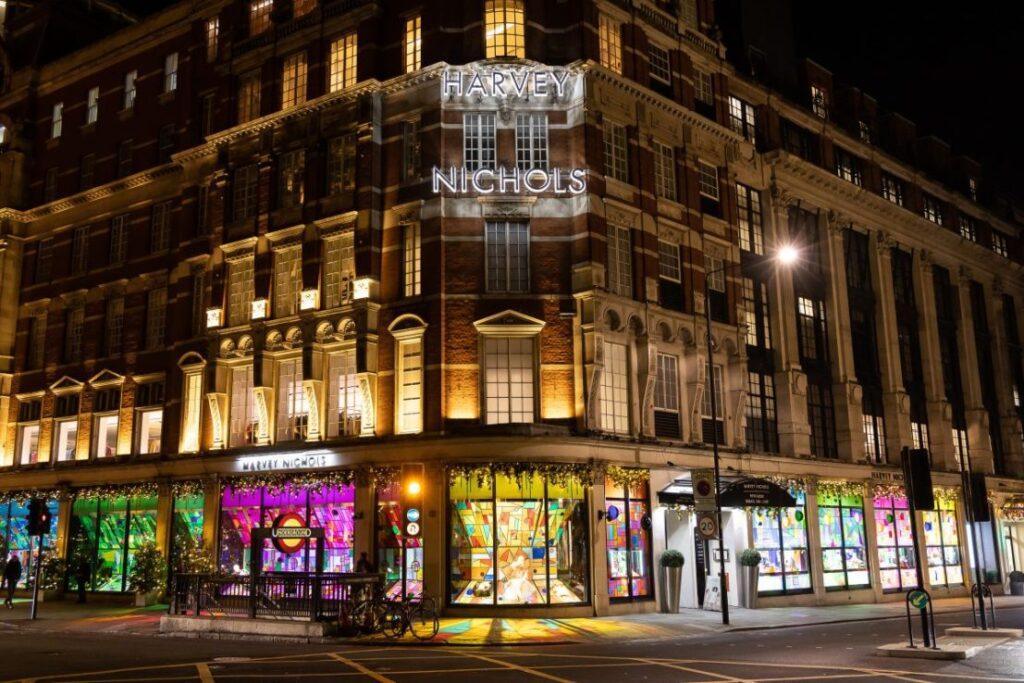
The story of Harvey Nichols transcends typical business narratives; it serves as a cautionary tale regarding the current turmoil affecting London’s high streets. Once a bastion of luxury retail, the department store now faces significant challenges that reflect broader economic trends and changing consumer behaviours.
The Changing Landscape of Retail
Harvey Nichols, known for its high-end offerings and stylish ambience, has seen a notable decline in footfall and sales. This downturn is symptomatic of a wider crisis impacting various retailers across the capital. Shifts in shopping habits, accelerated by the pandemic, have left many traditional stores struggling to adapt. Consumers are increasingly turning to online shopping, leading to a dramatic decrease in in-store purchases.
As the retail environment evolves, luxury brands such as Harvey Nichols must navigate a complex landscape characterised by competition from both online giants and emerging lifestyle brands. The rise of e-commerce has fundamentally altered the way consumers engage with retail, making it essential for established names to innovate and reimagine their offerings.
The Impact of Economic Factors
Additionally, the economic climate has compounded these challenges. Rising costs, inflation, and shifts in consumer confidence have all contributed to a precarious situation for retailers. High rents in prime locations, coupled with the need for significant investment in digital infrastructure, have placed further strain on businesses like Harvey Nichols.
While some brands have successfully pivoted towards a more sustainable and experience-driven model, others have struggled to keep pace. The luxury sector, in particular, must reconcile the demand for exclusivity with the need for accessibility in an increasingly digital world.
Consumer Expectations and Experiences
Today’s consumers are not merely seeking products; they desire experiences that resonate with their values and lifestyles. Harvey Nichols, once synonymous with opulence, now faces the challenge of redefining its identity in a market that prioritises authenticity and social responsibility.
To remain relevant, the department store must engage customers in meaningful ways, fostering connections that extend beyond the transaction. This could involve curating unique in-store events, enhancing customer service, or collaborating with local artisans to offer exclusive products that cannot be found elsewhere.
A Call for Innovation and Adaptation
The decline of Harvey Nichols illustrates the urgent need for innovation within the retail sector. As the landscape continues to shift, traditional retailers must embrace change and respond to evolving consumer demands. This requires a willingness to experiment with new formats, technologies, and marketing strategies.
Ultimately, the future of iconic establishments like Harvey Nichols will depend on their ability to adapt and resonate with a new generation of shoppers. The lessons learned from this decline are not just applicable to one store but serve as a broader warning for the future of high street retail in London and beyond.




More Stories
Post Office Considers Acquisition of ATM Operator to Boost Cashpoint Network Expansion
FCA Lifts Ban on Libor Traders Following Court’s Overturn of Rate-Rigging Convictions
Healey’s Confusing Stance on Bank Tax Puzzles City Financial Experts