
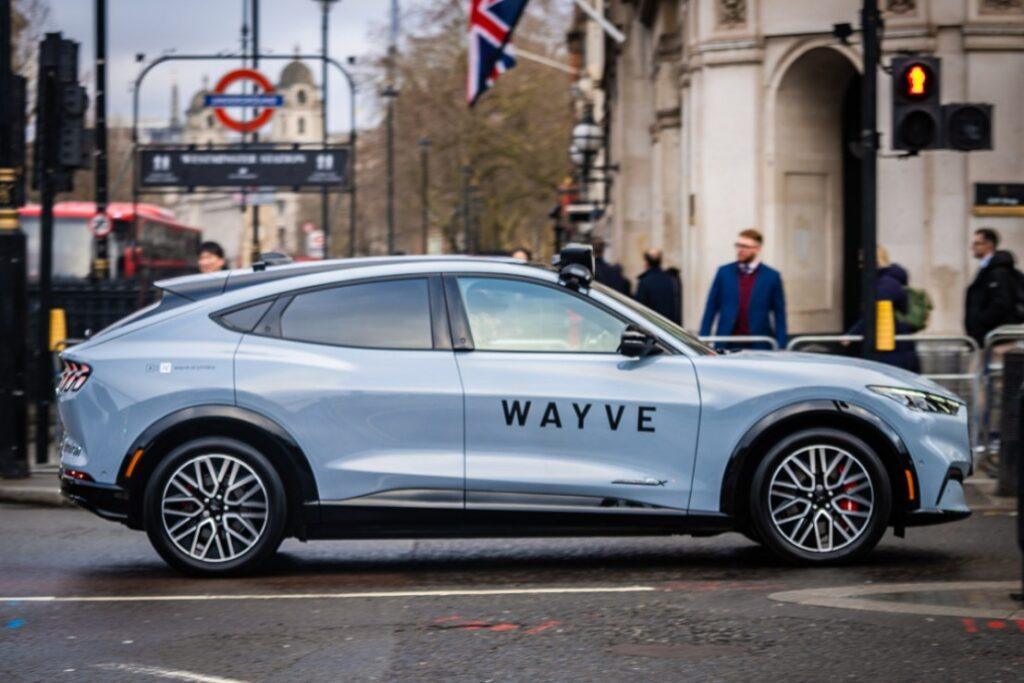
Transport for London (TfL) has officially issued a licence to the British autonomous driving company Wayve, allowing it to operate its vehicles within the capital. This significant development heralds the imminent arrival of robotaxis in London, with trials set to commence later this summer.
Advancements in Autonomous Vehicle Technology
The approval from TfL marks a pivotal moment for the integration of autonomous vehicles into urban transport systems. Wayve’s technology leverages advanced machine learning and artificial intelligence to navigate the complexities of city driving, promising to enhance mobility and reduce congestion in one of the world’s busiest cities.
With the impending launch of these robotaxis, Londoners can expect to experience a new mode of transport that combines cutting-edge technology with convenience. The trials will serve as a crucial opportunity to assess the safety and efficiency of autonomous vehicles in a real-world environment, paving the way for broader adoption in the future.
Implications for Urban Mobility
The introduction of robotaxis is not merely a technological advancement; it holds the potential to transform urban mobility in London. By offering a seamless and efficient transport option, these vehicles could alleviate some of the pressure on public transport systems and reduce the reliance on private cars.
Furthermore, the rollout aligns with broader sustainability goals, as autonomous vehicles are typically designed to optimise routes and reduce emissions. As cities grapple with the challenges of climate change and urban congestion, innovations like Wayve’s robotaxis could play a vital role in creating a more sustainable urban transport landscape.
Future Prospects for Autonomous Driving in London
As the trials commence, all eyes will be on how the public responds to this new technology. Success in these initial phases could lead to wider acceptance and further investment in autonomous driving solutions across the UK. Additionally, the collaboration between TfL and Wayve may serve as a benchmark for other cities looking to implement similar technologies.
The move is also expected to spark discussions around regulatory frameworks and safety standards for autonomous vehicles. Ensuring the safe integration of this technology into public roads will be paramount, and stakeholders will need to work collaboratively to address any concerns that arise during the trial period.




More Stories
Stansted Airport Owner Faces Cyber Attack: Millions of Customers’ Data Compromised
2026 Lexus ES Review: A Relaxed Electric Saloon That Stands Out from the Crowd
Discover the Finest Pinot Noir to Buy This Week: Top Picks for Wine Lovers