
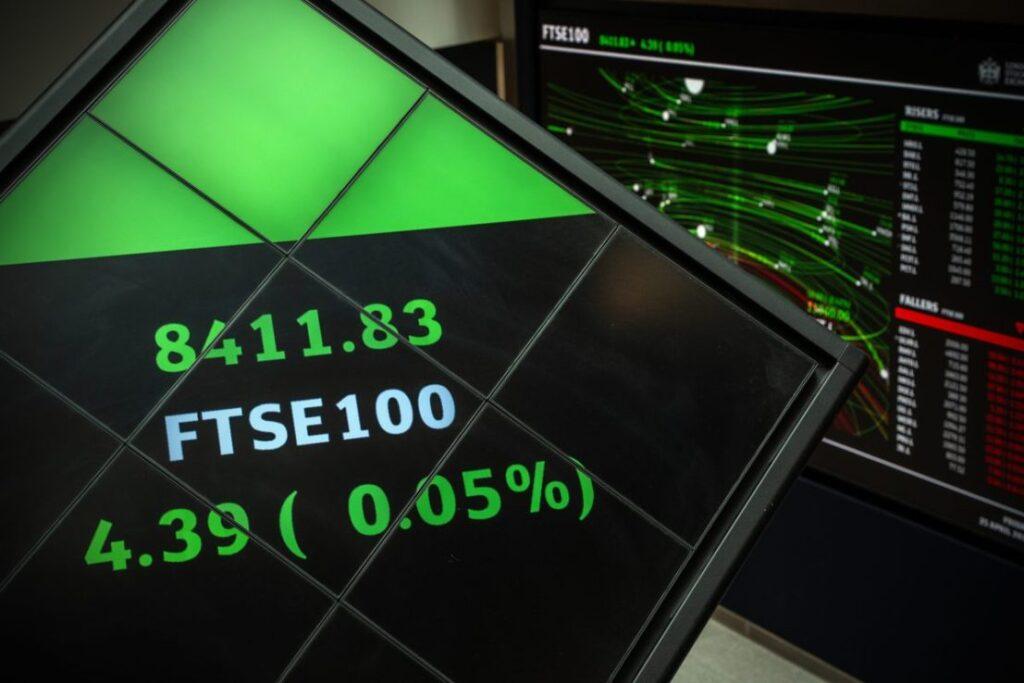
Recent escalations in the conflict in Iran have sent ripples through the UK economy, particularly affecting consumer sentiment and driving up energy costs. Consequently, a significant increase in profit warnings has emerged from firms listed on the London Stock Exchange.
Impact on Various Sectors
Housebuilders, leisure operators, and retail businesses are among the sectors experiencing the most pronounced effects. The anxiety surrounding the ongoing conflict has led to a decline in consumer confidence, further exacerbating the challenges faced by these industries. With energy prices surging, many companies are grappling with the dual pressures of increased operational costs and waning demand from cautious consumers.
The ripple effects of rising energy expenses are particularly felt among housebuilders, who are reliant on stable economic conditions to drive sales. As potential buyers become more hesitant in the face of economic uncertainty, the housing market’s recovery appears to be stalling. Similarly, leisure and retail sectors are witnessing a downturn, as consumers tighten their belts and prioritise essential spending over discretionary purchases.
Future Prospects Amid Uncertainty
Looking ahead, the outlook for these sectors remains precarious. Analysts suggest that unless there is a significant shift in the geopolitical landscape or an easing of energy prices, firms may continue to struggle. This environment of uncertainty is likely to lead to further profit warnings as businesses adjust their forecasts in response to changing market conditions.
In this climate, it is essential for companies to adapt quickly and efficiently, employing strategies to mitigate the impact of rising costs. This could involve re-evaluating supply chains, exploring cost-cutting measures, or innovating product offerings to align more closely with consumer needs.
Conclusion: Navigating a Challenging Landscape
As the situation in Iran continues to evolve, its implications for the UK economy will undoubtedly remain significant. Firms listed in London must navigate this challenging landscape with care, balancing the need for profitability against the realities of a shifting market. The resilience of these sectors will be tested as they seek to maintain stability amid ongoing uncertainty.




More Stories
Rayner Cautions Reform’s £72 Million Crypto Windfall May Fall Under New Donation Regulations
Trainline Slams Tube Strikes and Fare Freeze Amidst Stalled Growth
Berkeley Urges Burnham for Urgent Reform of Stamp Duty to Boost Housing Market