
New Protections for Vulnerable Renters
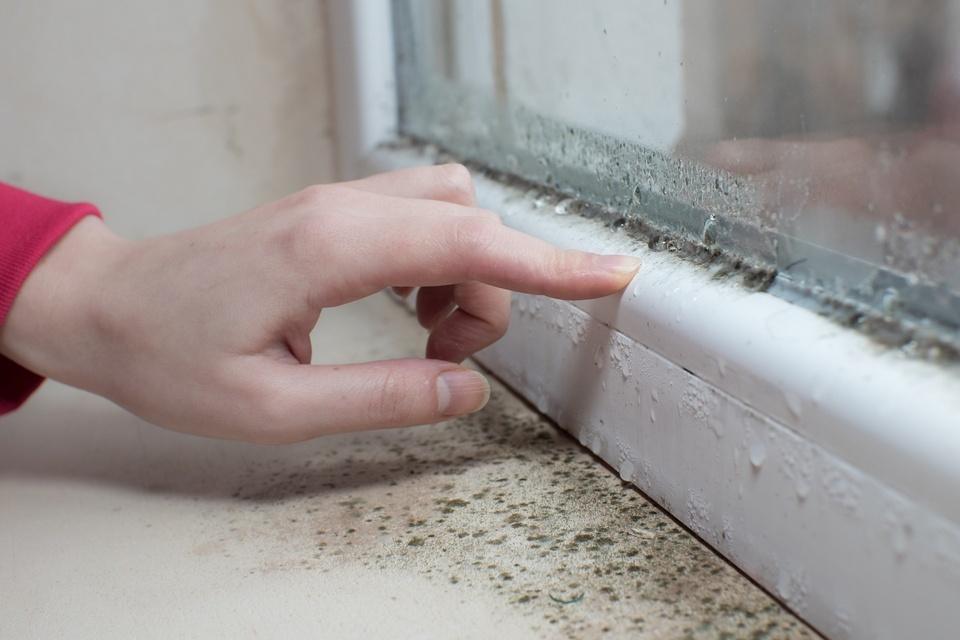
Over five million households are set to benefit from stringent new protections aimed at ensuring landlords promptly address health hazards such as severe damp and mould. The proposed legislation, known as Awaab’s Law, aims to expedite repairs for private renters, homeless families, care leavers, and individuals in supported housing.
The initiative follows the tragic case of two-year-old Awaab Ishak, who died in 2020 due to prolonged exposure to hazardous living conditions. By mandating quicker repairs, the law seeks to safeguard tenants living in substandard conditions.
Currently, landlords are legally obligated to rectify significant hazards that pose a serious threat to tenants’ health and safety. However, to enhance the speed of these repairs, the government has introduced Awaab’s Law within the social housing sector, establishing legal deadlines for landlords to address dangerous mould and damp.
Expanding the Scope of Awaab’s Law
Following the successful implementation in social housing, a government consultation is underway to assess the extension of Awaab’s Law to the private rental sector. This expansion could potentially double the number of households protected by these new repair timelines, increasing coverage from roughly four million to approximately nine million homes. The consultation will also consider additional types of accommodation, including:
- Temporary housing for homeless individuals and families;
- Accommodation for young people transitioning from care;
- Supported housing for vulnerable populations, including the elderly and disabled.
Housing Minister Matthew Pennycook emphasised the importance of safe living conditions for all renters, stating, “Irrespective of tenure, all renters have the right to live in a safe and decent home and have complaints responded to in a timely manner.” He added that the expansion of Awaab’s Law is part of broader commitments within the Renters’ Rights Act and the National Plan to End Homelessness, aimed at providing secure and safe homes for everyone.
Addressing Serious Hazards in Private Rentals
Currently, approximately one in ten privately rented homes are classified as having serious hazards (category 1), which mandates landlord intervention. As reiterated by the Prime Minister, landlords who fail to rectify these hazardous conditions face enforcement actions, and recent amendments to the Renters’ Rights Act have introduced fines of up to £7,000 for non-compliance. Awaab’s Law is designed to build on these measures by ensuring that prompt action is taken against such dangers.
The consultation, which will close on 18 December 2026, aims to shape the implementation of Awaab’s Law within the private rented sector, including establishing timelines for the introduction of these new protections.
Empowering Tenants and Improving Housing Standards
Recent reforms under the Renters’ Rights Act have empowered tenants to voice concerns without the fear of retaliation, such as unlawful eviction or unjustified rent increases. Holly Williamson, Chief Executive of Generation Rent, commented on the importance of safe housing, stating, “Homes are the foundations of our lives. But too many renters live in homes that are harmful to our health and often wait months for landlords to act on issues.” She expressed optimism about the government’s commitment to implementing Awaab’s Law swiftly.
Francesca Albanese, Director of Policy & Social Change at Crisis, echoed these sentiments, highlighting the need for safe housing for the millions renting privately across England. She welcomed the government’s efforts to improve conditions in the private rented sector and to consider applying stricter standards to various forms of accommodation.
A Call for Urgent Action
Clara Collingwood, Director of the Renters’ Reform Coalition, stressed that a home should provide safety, urging the public to respond promptly to the government’s consultation. “Every additional day in which a child like Awaab Ishak’s life continues to be at risk should weigh heavily on us,” she remarked.
Morgan Vine, Director of Policy and Influencing at Independent Age, noted that many older renters face significant hazards yet feel discouraged from seeking repairs. She affirmed the need for Awaab’s Law to be implemented effectively, ensuring that all renters, regardless of age, have access to safe living conditions.
Anela Anwar, CEO of Become, a charity supporting young people in care, welcomed the exploration of options aimed at improving accommodation quality for care leavers, emphasising the importance of providing a stable foundation as they transition into adulthood.
Conclusion and Future Steps
Awaab’s Law is already in effect within the social housing sector, protecting over four million tenants. Its phased introduction will extend protections to additional serious hazards beyond damp and mould, with future phases planned for implementation in the coming years. As the government seeks to gather evidence and insights through this consultation, the aim remains clear: to create a rental landscape that prioritises health and safety for all tenants.




More Stories
Guaranteed Jobs for 90,000 Young People Across the UK, No Matter Their Location
Remembrance Sunday Service in Malaysia Commemorates Fallen Heroes
UK Backs Regulatory Reform at ASEAN-OECD Meeting