
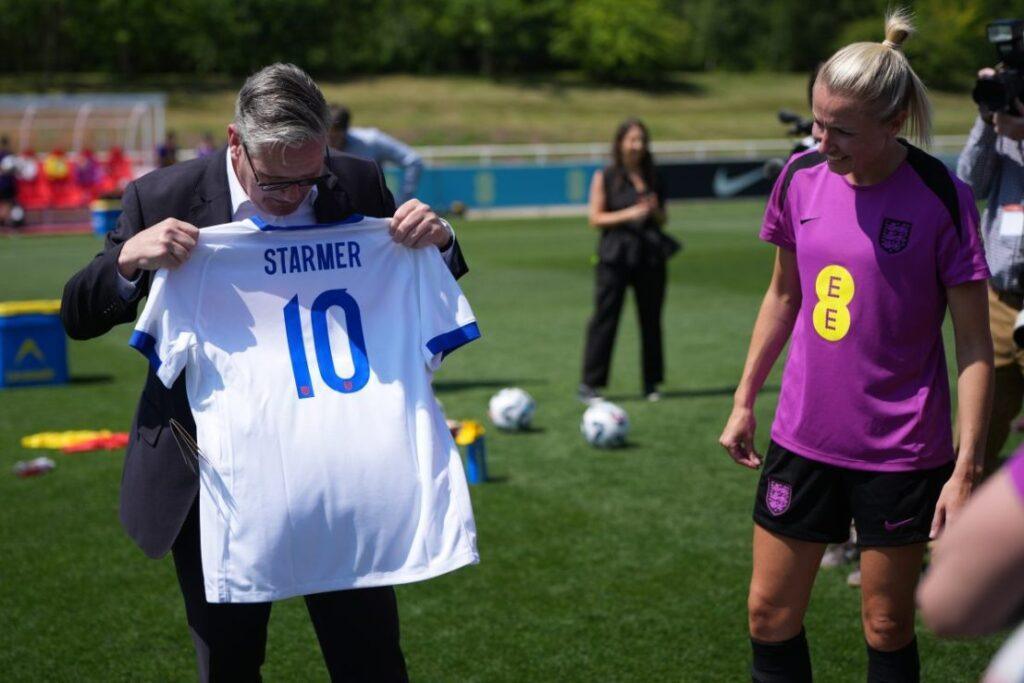
Sir Keir Starmer, the departing Prime Minister, has reportedly accepted sports-related gifts and benefits valued at tens of thousands of pounds during his two-year tenure at Downing Street. These freebies, which include tickets to high-profile events and hospitality, have sparked discussions regarding the appropriateness of such perks for those in public office.
High-Value Gifts Under Scrutiny
The acceptance of these gifts raises questions about the ethical standards expected from government officials. While it is not uncommon for politicians to receive hospitality in the course of their duties, the sheer scale of Starmer’s accepted benefits has drawn attention. Critics argue that such perks may lead to conflicts of interest or the perception of undue influence from the sporting world on political decisions.
During his time in office, Starmer has attended numerous prestigious sporting events, further enhancing the scrutiny of his actions. The benefits received are indicative of the close relationship between politics and the sports industry, a connection that can often blur the lines of accountability and transparency.
Implications of Sporting Connections
Starmer’s acceptance of these gifts is not just a matter of personal ethics; it also highlights broader issues related to the influence of sport on political agendas. The intertwining of sports and politics has a long history, with sporting events often serving as platforms for political engagement and public diplomacy. However, the potential for bias and favours in policymaking becomes a critical consideration when politicians are perceived to be benefitting personally from their connections to the sporting sector.
As public officials navigate these complex relationships, the need for clear guidelines surrounding the acceptance of gifts becomes increasingly vital. Ensuring a transparent process can help mitigate concerns regarding the integrity of political leaders and safeguard public trust.
Public Reaction and Future Considerations
The public’s response to Starmer’s acceptance of sporting freebies has been mixed, with some viewing it as a harmless aspect of political life while others regard it as a troubling sign of privilege. This divide underscores the necessity for ongoing discussions about the ethical responsibilities of elected officials and the expectations of accountability from those in power.
Looking ahead, as Starmer prepares to leave office, the implications of his choices may resonate beyond his tenure. There will likely be calls for more stringent regulations regarding the acceptance of gifts by government officials, as the balance between political engagement in sports and ethical governance continues to evolve.


More Stories
Foreign Nationals’ Benefits and Pensions Estimated to Cost £23 Billion: Key Insights
Tories Caution Burnham Against Succumbing to Left-Wing Pressure Over Bank Tax Raid
London Property Listings Plummet to Lowest Levels Since 2023