
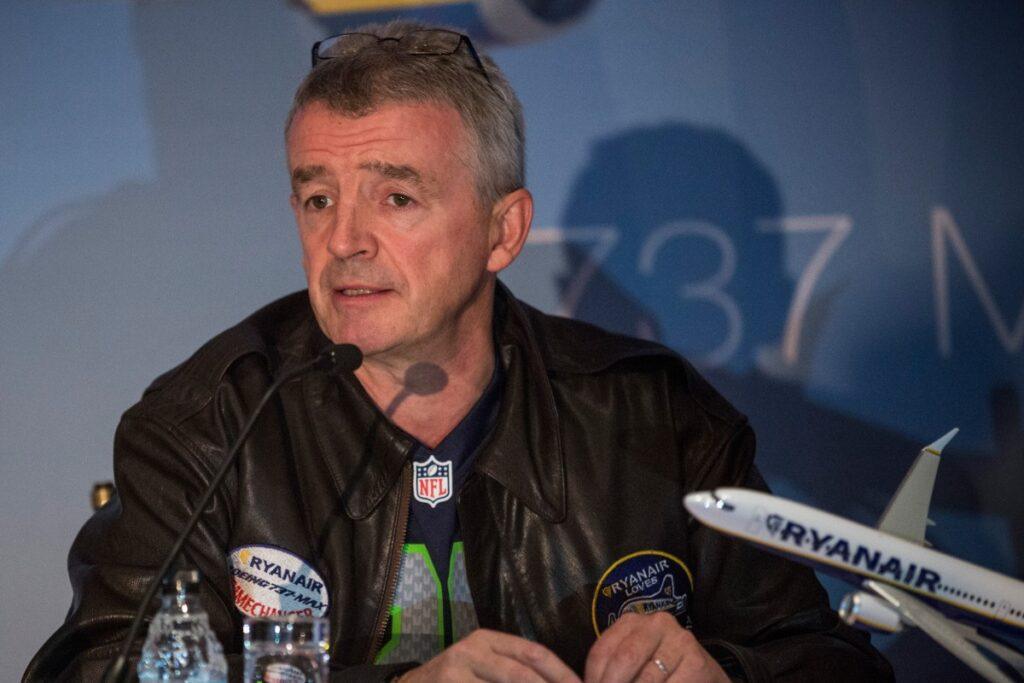
The chief executive of Ryanair has issued a stark warning to Andy Burnham, indicating that the low-cost airline may reduce its flight services to the UK should the government persist with its proposal for a “double tax” affecting tourists. This announcement raises concerns over the potential implications for travel and tourism in the region.
Concerns Over Taxation Impact on Tourism
The proposed tax, which has been described as burdensome by industry leaders, is aimed at increasing revenue but has drawn criticism for its potential to deter visitors. The airline’s management argues that imposing such taxes could lead to a decrease in the number of flights operating in and out of the UK, which would ultimately impact the economy and hospitality sector reliant on tourism.
Ryanair’s position underscores the broader challenges facing the travel industry as it seeks to recover from disruptions caused by recent global events. With many airlines still navigating the repercussions of the pandemic, additional financial pressures could hinder their ability to offer competitive services.
Implications for Regional Connectivity
Burnham, who has been vocal about the need for a balanced approach to taxation that supports growth, now faces the challenge of addressing the concerns raised by Ryanair. The airline’s threat to cut flights could severely impact regional connectivity, which is essential for both leisure and business travel.
As discussions continue, stakeholders within the tourism sector are keenly watching how this situation unfolds. The potential reduction in flight offerings could lead to increased costs for travellers and diminish the attractiveness of the UK as a destination, particularly for budget-conscious holidaymakers.
Future of Budget Travel Under Scrutiny
The looming decision regarding the proposed tax has broader implications for budget travel across the UK. Industry experts suggest that if Ryanair follows through on its threat, other low-cost carriers might also reconsider their operations, leading to fewer choices for consumers and higher prices.
In light of these developments, both the government and tourism leaders are urged to engage in constructive dialogue to find a resolution that fosters growth while balancing the need for public revenue. The outcome of this situation could significantly influence the future landscape of travel in the UK.




More Stories
Red Bull’s £1.3 Billion Investment in Sporting Stars: Stokes, Verstappen, and Neymar Shine in 2025
FC Barcelona’s Debt Expected to Exceed €2 Billion Following New Camp Nou Loan Deal
Jersey Mike’s Makes EFL Trophy Debut: Exciting UK Launch for Popular Sandwich Chain