
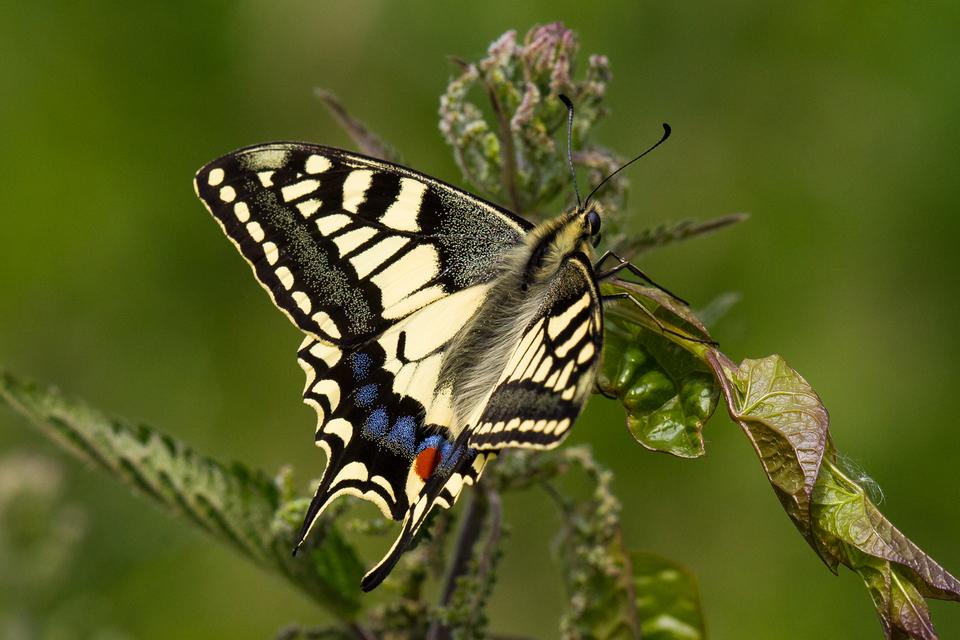
Over 350 threatened species, including several endemic to England, are poised to benefit from the most significant investment ever aimed at restoring the country’s wildlife, as announced by Natural England. This initiative, titled “Wild Again: Restoring England’s Wildlife,” represents a determined effort to reverse the decline of biodiversity within the nation.
The £60 million investment will support 130 projects across England, targeting a range of species such as the swallowtail butterfly and the white-clawed crayfish. This funding comes in response to alarming statistics showing that since 1970, wildlife populations have plummeted by a third, with one in six species facing the risk of extinction in Great Britain. The programme aims to address the plight of 364 threatened species, encompassing various wildlife from birds and insects to mammals and marine life, thereby working towards a healthier and more vibrant ecosystem for future generations.
Restoring Habitats and Supporting Agriculture
Farming landscapes have experienced some of the most drastic declines in wildlife, underscoring the importance of maintaining healthy ecosystems as the backbone of productive agriculture. Several projects under this initiative will assist farmers and land managers in restoring natural habitats while continuing to produce food. For instance, efforts to bolster pollinator species and their environments will also enhance crop yields, creating a sustainable balance between agriculture and conservation.
Among the species set to benefit from this initiative is the ghost orchid, which went unrecorded for 23 years before its rediscovery in 2009. Innovative methods, including the use of detection dogs and environmental DNA technology, will aid in locating and conserving these rare plants. Other beneficiaries include the northern dune tiger beetle, one of England’s most endangered insects, and the white-clawed crayfish, the only native crayfish species in the UK, which faces threats from invasive species. The rare field gentian, one of England’s most sought-after plants, is also included in the recovery efforts.
Engaging Communities in Conservation
Native Species Recovery Hubs, spearheaded by BIAZA zoos and aquariums, will implement breeding-for-release programmes across both the North and South of England. These hubs will serve as catalysts for ambitious conservation translocations, aiming to recover 16 rare invertebrate species and enhance their populations. Furthermore, the programme seeks to engage diverse audiences, including zoo visitors and scientific communities, to foster a deeper understanding of England’s unique biodiversity and inspire greater public involvement in conservation efforts.
Emma Reynolds, the Environment Secretary, stated, “Nearly one in six species in Britain are threatened with extinction, and this Government is taking action to reverse that decline. Through the largest-ever investment in species recovery, we are supporting projects nationwide to protect endangered wildlife, restore habitats, and ensure the survival of some of England’s most iconic species.”
A Comprehensive Commitment to Biodiversity
This initiative complements the government’s broader support for farmers, which includes a historical investment of £11.8 billion aimed at promoting nature-friendly farming practices throughout this Parliament. Natural England Chair Tony Juniper highlighted the organisation’s long-standing efforts to recover even the rarest species, citing successes such as the red kite and the large blue butterfly as testament to the potential for meaningful conservation.
Over the past thirty years, this programme has safeguarded more than 1,000 species and prevented the national extinction of at least 35 species. The recent announcement reinforces the government’s commitment to halting biodiversity decline and achieving the legal targets established in the Environmental Improvement Plan, which aims to stabilise species abundance by 2030 and mitigate extinction risks by 2042, based on 2022 levels.
Investment and Future Prospects
The government will allocate £60 million over the next three years towards this initiative, in addition to £30 million dedicated specifically to species recovery on the national forest estate, culminating in a total commitment of £90 million. This funding coincides with the establishment of three new national forests and the approval of the first wild beaver reintroductions since their extinction approximately 400 years ago.
Additional information reveals that the Species Recovery Programme, funded by the government and administered by Natural England, will finance various conservation initiatives. These include research into the factors contributing to species decline, habitat enhancement, captive breeding, and species reintroductions. A comprehensive list of funded projects and species is publicly available for further insight.
Examples of projects benefiting from this funding include:
- The ghost orchid in the West Midlands and Thames Solent, where Natural England utilises detection dogs and eDNA technology to protect this elusive plant.
- The northern dune tiger beetle in Cumbria, with conservation efforts led by the Amphibian and Reptile Conservation Trust.
- Research on the impact of chemical pollutants on dolphins and harbour porpoises by the Zoological Society of London.
- The tansy beetle in West Anglia and Yorkshire, with St Nicks spearheading the Saving the Green Jewel project to recover this vibrant species.
- The swallowtail butterfly in various English regions, monitored through a Natural England project that tracks individual butterflies and their relationship with milk-parsley.
- The white-clawed crayfish, supported by the Royal Society of Wildlife Trusts, to protect the UK’s only native crayfish from invasive threats.
- The field gentian in Cumbria, part of the Species Recovery Trust’s efforts to secure the future of England’s rare flora.




More Stories
The Reset Rooms puts Pilates, yoga and recovery under one roof in Crouch End
Yoga studios in London
AAIB Dispatches Investigation Team to Stirling Following Incident