
Every year, an exuberant procession of individuals clad in vibrant costumes winds its way through the streets of Notting Hill. Londoners from diverse backgrounds gather throughout the weekend, weaving between a multitude of Sound Systems, immersing themselves in a rich tapestry of music that ranges from steel bands to Latin rave. The air is infused with the enticing aromas of Trinidadian Roti and Guyanese Pepper Pots, with the unmistakable scent of jerk chicken being heralded by organisers as “the essence of Notting Hill Carnival.”
Established in 1966, the Carnival serves not only as a celebration of Black culture but also as a powerful act of defiance against the pervasive racism faced by West London’s Windrush Generation. By the 1970s, the Carnival had adopted Caribbean masquerade traditions, which laid the groundwork for the imaginative costumes synonymous with this vibrant street festival. Currently, Notting Hill Carnival stands as the second largest street carnival globally, trailing only behind Rio de Janeiro, attracting approximately two million attendees each year. This immense turnout necessitates extensive planning and coordination from Notting Hill Carnival Limited, the Kensington and Chelsea Council, as well as local residents and businesses to ensure a seamless experience.
Local Businesses Prepare for the Influx
Jorge Costa, a staff member at a clothing store in Notting Hill, revealed that the establishment allocates about £1,000 annually to secure the premises and remain closed during the Carnival festivities. He candidly noted that failing to erect wooden boards could lead to vandalism, such as broken windows. “With so many people gathered together, especially with alcohol and drugs in the mix, tensions can undoubtedly escalate,” he stated. However, he believes that the Carnival should continue, highlighting the importance of communal celebration. “Business isn’t everything; people need the opportunity to come together and enjoy themselves, even if it means pausing work for a few days,” he added.
Another local entrepreneur, Zia Sidiki, shared his insights, noting that his jewellery shop often suffers from broken windows or doors due to the Carnival’s lively atmosphere. He pointed out a cracked glass panel that followed the previous year’s festivities. “I don’t place blame, as not everyone comes with malicious intent; there are plenty of good people who simply want to enjoy the event,” he remarked. For Sidiki, ensuring the safety of attendees while they engage in their cultural traditions is paramount. “It’s their tradition, and as long as it’s done safely, I fully support it,” he concluded.
Mixed Views on Business Impact
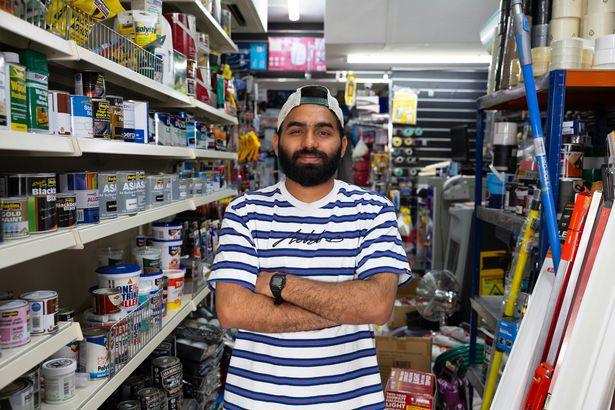
Favaz K, a staff member at a DIY store, expressed that the Carnival period is beneficial for business, as customers purchase buckets and containers to keep their drinks cool. Although revelers occasionally spray graffiti on the shop’s shutters during the celebrations, Favaz remains unfazed, as the council assists in the removal of any paint. “It’s all about celebration and human connection—a cultural programme. Just be kind and enjoy the day,” he encouraged, referring to the three days of festivities as a time for relaxation.
Christian Marfe and Mazhar Toutounjee operate a shop selling vapes and electrical goods, and last year they successfully sold light beers during the Carnival without any issues. However, this year, the Kensington and Chelsea Council denied their request for a licence, citing their proximity to Notting Hill Gate Tube Station as a concern. This decision came despite Mr Amod Wadhi, who applied for the licence, assuring that two trained security staff would be present at the door. “We’ve tailored our offerings to suit the occasion, focusing on soft drinks and providing assistance to celebrants. We’ve never encountered any issues,” Mr Toutounjee stated. He expressed disappointment over the council’s decision, emphasising their responsible approach to serving customers.
Community Safety and Event Logistics
Mr Marfe acknowledged the significance of the Carnival but expressed concerns over its scale. “It’s a wonderful event, but it has grown excessively large, which complicates matters,” he noted. A spokesperson for Kensington and Chelsea Council affirmed the importance of Notting Hill Carnival to the local community, highlighting their commitment to safety. “Public safety is our top priority, and we collaborate closely with various partners throughout the year to ensure the event is conducted safely. Following a review last year, numerous safety measures have been implemented, including adjustments to street trading in certain areas to facilitate safe crowd movement,” they explained.
The spokesperson further clarified that applications for Temporary Event Notices (TENs) are evaluated based on their individual merits, with no automatic entitlement to approval based on previous successful applications. This year, Notting Hill Carnival is scheduled to unfold from Saturday, August 29, to Monday, August 31, with a family day on the Sunday and an adult-focused event on Monday, both of which are free to attend. The Saturday will feature a ticketed steel band competition, promising an exciting start to the weekend’s festivities.


More Stories
Meet Britain’s Strongest Schoolgirl: The Edgware Weightlifter Breaking Stereotypes
Two London Bakers Eliminate Each Other in Great British Bake Off’s Thrilling Bread Week
City Leaders Alert: Healey Bank Tax Increase Could Force Businesses to Leave the UK