
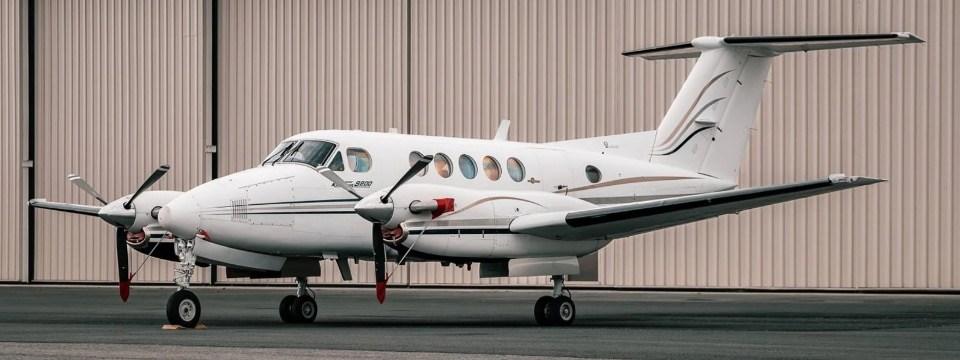
A NASA Dynamic Aviation A200 aircraft is set to undertake low-altitude research flights over agricultural land in the vicinity of Amarillo, Texas, from Thursday, 22nd October, through Monday, 9th November. These flights aim to assess gaseous and particulate emissions originating from animal feeding operations.
The Dynamic Aviation A200 will be instrumental in this research initiative, as it will gather critical data on emissions during October and November 2026.
Understanding Agricultural Emissions
Agricultural emissions play a significant yet often overlooked role in the interactions between the Earth’s land and atmospheric systems. The FarmFlux mission will deploy more than a dozen sensors to measure a variety of pollutants, including ozone, methane, ammonia, and particulate matter. These emissions will be monitored as they rise from both croplands and livestock farms, providing valuable insights into their impact on the atmosphere.
This collaborative effort is spearheaded by NASA’s Goddard Space Flight Center, based in Greenbelt, Maryland, alongside Colorado State University and Boston University. Their combined expertise aims to enhance our understanding of the complexities of agricultural emissions and their broader environmental implications.
Future Research Initiatives
In addition to the ongoing research in Texas, further low-altitude flights are planned for the upcoming growing season from March to July 2027. These will involve a NASA P-3 Orion aircraft and will focus on crop fields in the Midwestern United States and California’s Central Valley.
By Sharon Teitelbaum, NASA’s Ames Research Center, Silicon Valley, California.




More Stories
Explore NGC 206 and the Stunning Star Clouds of Andromeda: November 13, 2026 Astronomy Highlights
NASA Ames’ November 2026 Stars of the Month: Celebrating Outstanding Achievements
Celestial Showdown: Moon, Venus, and Spica Align in the Night Sky on 12th November 2026