
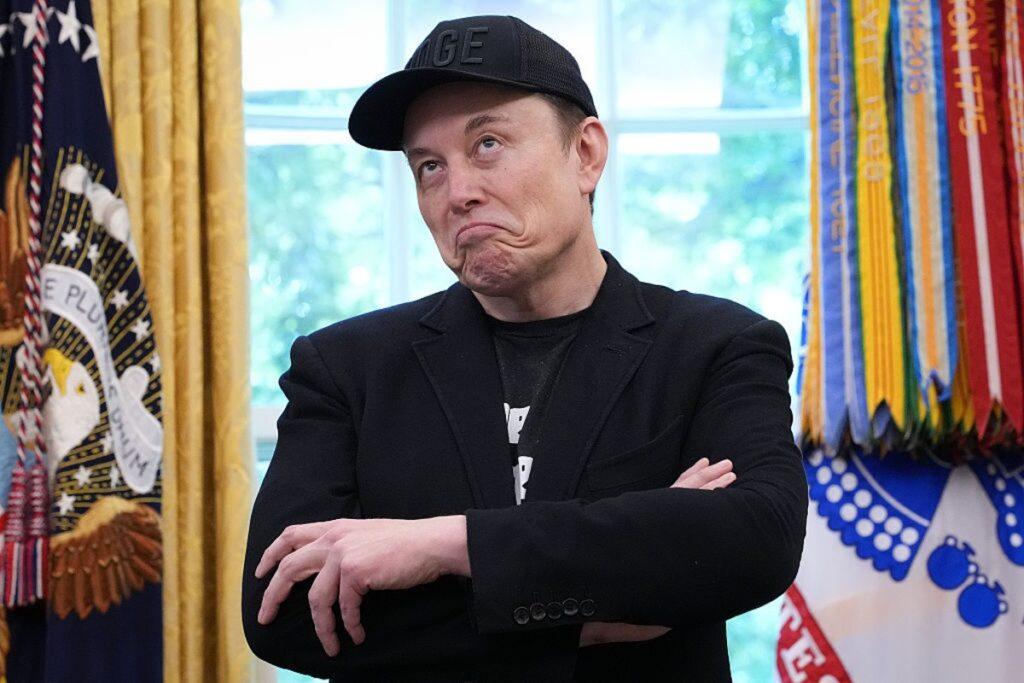
Elon Musk is reportedly contemplating a monumental merger between Tesla and SpaceX, which could be valued at an astonishing $3.5 trillion. This ambitious move could significantly enhance the billionaire entrepreneur’s already considerable influence over his diverse portfolio of companies.
Strategic Implications of the Merger
The proposed consolidation of Tesla, a leader in electric vehicles, and SpaceX, a pioneer in aerospace technology, represents a strategic realignment that could have profound implications for both industries. By merging these two powerhouses, Musk aims to streamline operations and foster greater synergy between the companies. The integration could facilitate innovations that leverage Tesla’s cutting-edge battery technology for SpaceX’s rocket systems, potentially revolutionising space travel and electric transport simultaneously.
Moreover, such a merger could position Musk to consolidate his vision for sustainable energy and space exploration more effectively. With Tesla’s advancements in renewable energy solutions and SpaceX’s ambition to colonise Mars, the merger could enhance the credibility of Musk’s overarching narrative about the future of humanity in the cosmos.
Financial Considerations and Market Reactions
The proposed merger’s financial implications are immense, with a combined market capitalisation that could reshape the landscape of both the automotive and aerospace sectors. Investors are likely to have mixed reactions; while the potential for unprecedented growth and innovation is enticing, the scale of the merger raises concerns about regulatory hurdles and antitrust issues. Analysts will closely monitor how Musk navigates these complexities, as the successful execution of the merger could set a precedent for future consolidations in the tech industry.
Market analysts have started to speculate on the possible impacts on stock prices for both companies. A successful merger could lead to a surge in investor confidence, driving up shares significantly. Conversely, any delays or complications arising from regulatory scrutiny might dampen enthusiasm and influence the market negatively.
Challenges Ahead for Musk
While Musk’s vision for a combined Tesla and SpaceX is bold, it is not without challenges. Regulatory bodies will scrutinise the merger closely, particularly in light of concerns regarding monopoly power and market competition. Navigating these regulatory landscapes will require strategic foresight and adept negotiation skills from Musk and his team.
Furthermore, the cultural integration of the two distinct corporate environments will also pose a challenge. Tesla’s fast-paced, innovative culture must mesh with SpaceX’s rigorous engineering focus to create a unified entity that can thrive in both sectors. Balancing these differing organisational cultures will be crucial to ensure that the merger does not stifle creativity or operational efficiency.
The Future of Musk’s Empire
Should Musk’s ambitious plans come to fruition, the merger of Tesla and SpaceX could not only solidify his dominance in the tech industry but also redefine the boundaries of what is possible in transportation and space exploration. The implications of such a merger extend beyond mere financial metrics; they could alter the trajectory of technological progress and sustainability efforts for decades to come.
As the world watches this potential merger unfold, the broader implications of Musk’s vision will undoubtedly spark discussions around innovation, competition, and the future of technology. Whether this monumental endeavour will succeed remains to be seen, but it is clear that Musk’s ambition knows no bounds.



More Stories
William Hill’s Owner Attributes Revenue Decline to Manchester City’s Dominance in Football
London Irish Aims for Professional Comeback Next Year Following Essex Businessman’s Takeover
Premier League Giants to Face £1.8 Million Fee Each for New Independent Football Regulator