
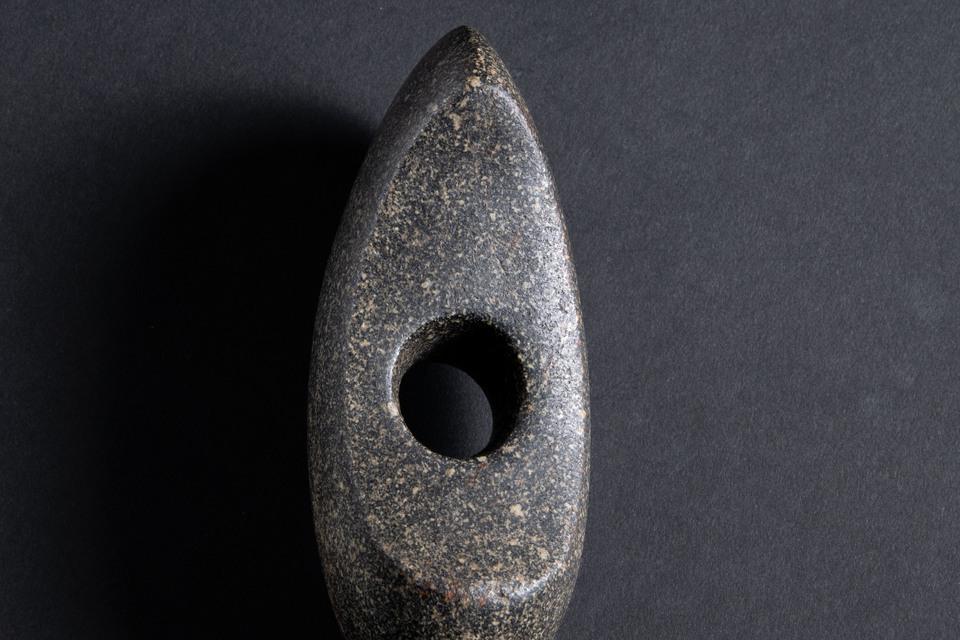
Opportunity to Preserve a Prehistoric Treasure
The UK Government has implemented a temporary export ban on the Scarthingwell battle-axe head, a remarkable artefact from prehistoric Britain, aiming to encourage UK museums, galleries, and institutions to acquire this significant item for public exhibition. This preservation effort is a vital step in ensuring the battle-axe head remains within the nation and accessible to the public.
Dating back to the Bronze Age, the Scarthingwell battle-axe head is a testament to the exceptional craftsmanship of the time. It epitomises over 6,000 years of polished stone working in Britain, beginning with the initial axes linked to early agricultural communities. As one of the few remaining examples of its kind, this object provides invaluable insights into the roles such tools played in expressing status and identity during the Neolithic and Bronze Ages.
Significance of the Scarthingwell Battle-Axe Head
Heritage Minister, Baroness Twycross, remarked on the importance of this artefact within the UK’s ancient narrative. She stated, “The Scarthingwell battle-axe head is an important part of the UK’s ancient story. Its outstanding craftsmanship and exceptional condition make it an object of national significance. Securing this piece of our archaeological heritage for the UK would ensure it can be protected, studied, and shared with future generations.”
Tim Pestell, a member of the Reviewing Committee on the Export of Works of Art and Objects of Cultural Interest (RCEWA), highlighted the societal transformation during the Early Bronze Age, where communities transitioned from flint tools to metalwork. Despite this shift, battle-axes remained powerful symbols of authority, often crafted from stone to convey significant social, sacred, and political messages.
Details and Acquisition Process
The Scarthingwell battle-axe head was discovered in 1974 near Tadcaster in North Yorkshire and is distinguished by its exceptional preservation and aesthetic qualities. Crafted from speckled diorite, its finely polished surface and distinctively waisted shape reflect the immense effort put into its creation, which could have required hundreds of hours of work. Given its long-standing presence in the UK, there is hope that the export ban will facilitate its acquisition by a museum for public benefit.
The RCEWA has recommended that the battle-axe meets several criteria for national importance, including its profound historical connection, aesthetic value, and significance to the study of similar artefacts, production techniques, and their use in society.
Next Steps for Interested Purchasers
The decision regarding the export licence for the battle-axe will be deferred until 22 December 2026, during which time expressions of interest from potential buyers are welcomed. After this initial period, there will be a consideration phase of 15 business days for any offers at the recommended price of £15,000. Should an Option Agreement be signed, a subsequent three-month deferral period will follow.
Organisations or individuals interested in acquiring the Scarthingwell battle-axe head are encouraged to reach out to the RCEWA for further information. The axe head itself is a ground, perforated, and polished stone artefact, noted for its elegant waisted profile and unique design, indicative of its early production period in Britain, estimated to be between 2050 and 1850 BC.
For any inquiries regarding the potential purchase of this significant artefact, please contact the RCEWA at 02072680534 or via email at rcewa@artscouncil.org.uk.




More Stories
Innovative Mental Health Pilot Programme for Young People Boosted by Social Care Support
October 2026 IAA Newsletter: Essential Updates and Insights You Can’t Miss
Defence Chief Hosts Tenth Dragon Group Meeting in London: Key Insights and Developments