
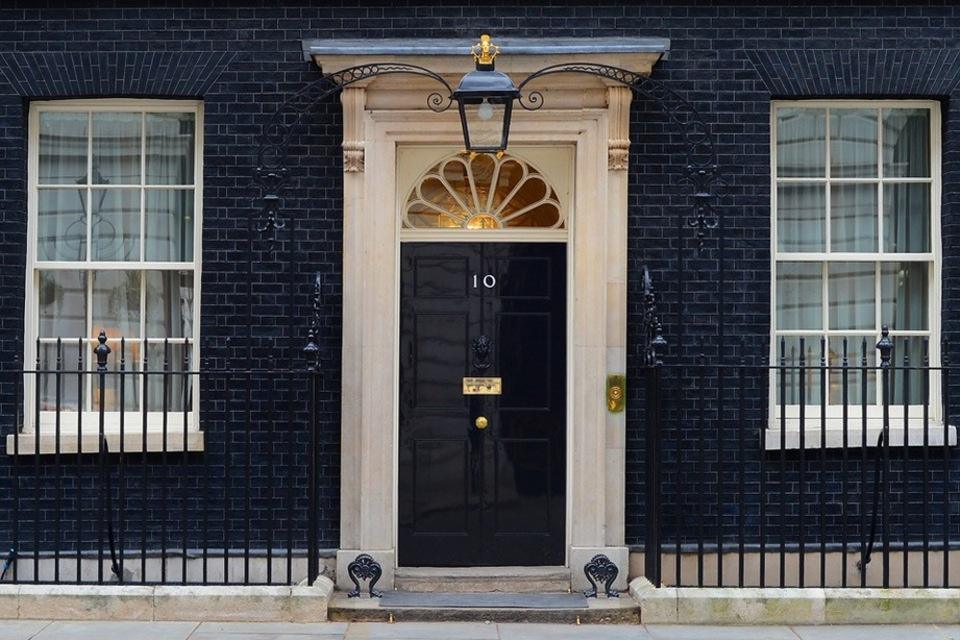
Supermarket leaders have expressed their support for the Government’s recent landmark food trade agreement with Europe, viewing it as a significant measure to enhance British business, create jobs, and alleviate the strain on food prices.
Struck during the EU-UK Summit in Brussels on 20th November, the deal is anticipated to bolster business operations and provide consumers with a wider selection of fresher food items. Major retailers, including Morrisons, Tesco, Asda, Lidl, Co-op, and Marks & Spencer, have highlighted that the agreement will significantly reduce time-consuming paperwork and eliminate unnecessary border checks, thereby facilitating a more affordable and efficient trade with Europe, the largest market for UK farming and food.
Farmers, manufacturers, and retailers of all sizes are expected to benefit from this development, as it reinstates the export of products such as fresh sausages, burgers, seed potatoes, and shellfish to customers throughout the EU. The agreement is projected to strengthen food supply chains, lower costs for businesses, and exert downward pressure on food price inflation, potentially adding up to £5.1 billion to the UK economy.
Government Support for Businesses
Dame Angela Eagle, the Secretary of State for Environment, Food and Rural Affairs, remarked that British businesses have been burdened with excessive paperwork and unnecessary barriers when trading with Europe. She emphasised that this agreement will alleviate pressure on consumers’ food bills, foster business growth, support job creation, and enhance food supply chains while upholding the high standards expected by the public.
The key aspects of the agreement include the elimination of costly paperwork, which will save businesses money on each consignment, and the removal of border checks that will enable food products to reach market more swiftly. Additionally, British products that were previously barred from the EU market will regain access, with robust animal welfare and biosecurity protections remaining in place. Furthermore, businesses facilitating the movement of food and plants between Great Britain and Northern Ireland will experience significantly reduced bureaucracy.
Positive Industry Reactions
Rami Baitieh, Chief Executive Officer of Morrisons, stated that the removal of trade barriers is instrumental in improving the cost of living. He expressed enthusiasm for the prospect of working with the Government to ensure that the food industry can effectively navigate the necessary regulatory alignment to maximise these benefits.
Alex Freudmann, Managing Director of Food at M&S, noted that the long-awaited UK-EU food trade deal represents a considerable advancement. He explained that the bureaucratic hurdles currently complicating the transportation of products, such as their Spaghetti Bolognese, will be streamlined, resulting in fresher food with an extended shelf life and reduced waste. He also acknowledged the Government’s collaborative efforts with industry and farmers to achieve this outcome.
Ken Murphy, Group Chief Executive of Tesco, emphasised the positive implications of the agreement for British farmers and food producers, asserting that reducing trade barriers with the EU will enable more UK businesses to expand their customer base and enhance the success of the nation’s esteemed food industry.
Addressing Cost of Living Concerns
Kate Allum, interim Chief Executive Officer of Co-op Group, conveyed awareness of the ongoing concerns regarding the cost of living among their members and customers, expressing eagerness to collaborate with the UK Government to ensure the realisation of the agreement’s benefits in the future.
Ryan McDonnell, Chief Executive Officer of Lidl GB, welcomed the new UK-EU SPS agreement as a significant advancement towards facilitating smoother trade flows and delivering essential predictability and efficiency within UK and EU agri-food supply chains. He highlighted the opportunities this presents for British suppliers to access broader European markets.
James Bielby, Chief Executive of Food and Drink Wholesale UK, characterised the agreement as a pivotal move towards dismantling the burdensome paperwork, certification, and border checks that have inflated costs in the food and drink sector. He expressed optimism regarding the potential for this agreement to cut consumer costs, stimulate growth, enhance food security, and establish more resilient supply chains across the UK.



More Stories
PM Holds Key Meeting with Dutch Prime Minister Jetten on 21 November 2026
UK’s Ambitious NATO Space Launch Initiative Aims for the Stars
UK Condemns Damage to Diplomatic Premises Amid Russian Assaults on Ukraine: Key OSCE Statement