
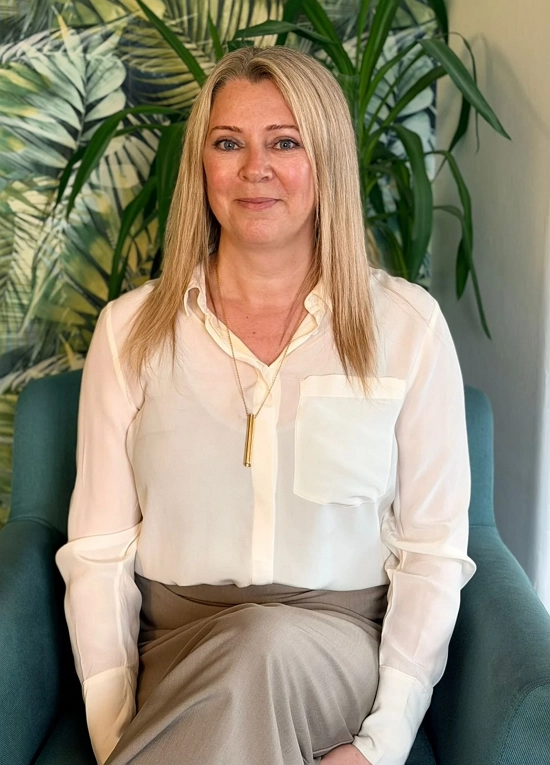
London Counselling and Consultancy, founded by counsellor and trauma-informed practitioner Laura Smart, is an award-winning counselling service providing mental health and addiction support in London and beyond. The practice recently won a Prestige Award for ‘Counselling Service of the Year for London and the South East 2026/27’, with the award due to be presented on 16 August. Alongside counselling, the service provides therapeutic programmes, addiction consultancy and professional training for individuals, families and organisations.
The practice takes a trauma-informed approach to its work, with a particular focus on understanding how past experiences can affect mental health, relationships, behaviour and coping strategies. Alongside counselling, London Counselling and Consultancy provides support for people navigating addiction treatment and recovery, as well as training and resources for professionals and organisations working with people who may have experienced trauma.
Counselling built around the individual
London Counselling and Consultancy works with individuals, couples and groups. Rather than presenting counselling as a process of simply ‘fixing’ a problem, the practice describes therapy as a collaborative process in which clients can explore their circumstances, understand what may be contributing to their difficulties and consider possible ways forward.
The areas covered include stress, anxiety and general mental wellbeing, anger management, trauma and abuse, relationship difficulties, codependency and addiction. The practice also works with people who want to explore unresolved childhood experiences and the ways these may influence present-day behaviours and relationships.
Laura Smart’s therapeutic work draws on a range of approaches. Her core counselling training is in Gestalt therapy, while her practice has also been influenced by Cognitive Behavioural Therapy (CBT), Rational Emotive Behaviour Therapy (REBT), Dialectical Behaviour Therapy (DBT), mindfulness, Inner Child Therapy and other approaches. When working with addiction, she is also familiar with the 12-Step and SMART Recovery models.
Clients can access counselling face to face in London or through online video sessions. The service states that individual counselling sessions generally last around 50 minutes, while couples’ sessions last approximately one hour.
Experience in addiction and recovery
Addiction support represents a significant part of the work carried out by London Counselling and Consultancy. Its consultancy service is intended to help individuals and families understand the treatment options available and identify services suited to their particular circumstances.
This can involve exploring residential rehabilitation, outpatient programmes, home detox, addiction or trauma therapy, psychiatric assessment and aftercare. Factors including treatment requirements, location and budget can be taken into account when considering an appropriate pathway. The practice works with alcohol and substance misuse as well as behavioural and process addictions, including gambling and compulsive sexual behaviours.
Support does not necessarily end when someone leaves residential treatment. London Counselling and Consultancy also provides aftercare for individuals, couples and families following rehab or other treatment. Its approach recognises the importance of helping people integrate recovery into everyday life and establish continuing support after a structured treatment programme has finished.
Laura Smart’s background includes work within charities, community organisations, addiction services and residential treatment settings. Her professional experience listed on the practice’s website includes counselling and group facilitation roles within addiction treatment centres, work with the Forward Trust and the Tower Hamlets Community Alcohol Team, as well as roles supporting young people’s mental health and emotional wellbeing. She has also worked within services associated with sight loss, schools and community programmes.
Understanding trauma and its wider impact
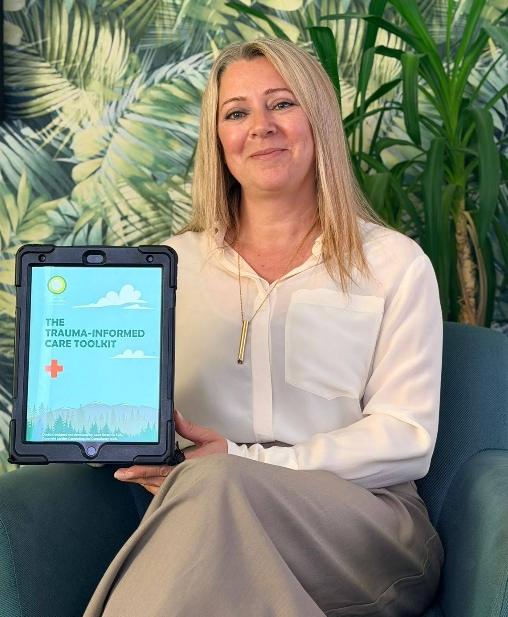
Trauma-informed care is another central area of the practice. London Counselling and Consultancy provides therapeutic and psychoeducational programmes for individuals alongside trauma-informed training for professionals and organisations.
The training considers different forms of trauma and their potential psychological and physiological effects. Topics include developmental and complex trauma, Adverse Childhood Experiences, PTSD and C-PTSD, the nervous system, Polyvagal Theory and the relationship between trauma and addiction. It also considers how organisations can respond to disclosures sensitively and reduce the risk of inadvertently re-traumatising the people they support.
The organisation’s professional training can be adapted for different settings and is aimed at both clinical and non-clinical staff. The website identifies potential participants including people working in treatment centres, substance misuse services, charities, counselling services, housing organisations, prisons, schools, universities and other services whose clients or service users may have experienced trauma.
London Counselling and Consultancy also creates bespoke therapeutic and psychoeducational courses, workshops, resources and training materials for organisations and practitioners. Its consultancy work covers subjects including addiction, anxiety, anger management, emotional regulation, communication, stress management, relapse prevention, peer mentoring and trauma-informed practice.
Online programmes and practical skills
For people unable or unwilling to attend residential treatment or regular face-to-face services, a range of structured online programmes is available. These cover subjects including alcohol and cocaine addiction, anxiety, anger management, codependency, emotional regulation, trauma, gambling-related harm, DBT skills and aftercare.
According to the practice, the programmes draw on Laura Smart’s experience of working in rehabilitation centres, treatment services and drug and alcohol programmes. Sessions are delivered online through platforms such as Zoom or Google Meet and are accompanied by workbooks designed to support learning between sessions.
Dialectical Behaviour Therapy skills also form part of the services offered. The DBT work presented by London Counselling and Consultancy focuses on four areas: mindfulness, distress tolerance, interpersonal effectiveness and emotional regulation. The practice applies these skills particularly in the context of addiction and recovery, where learning to recognise emotions, manage difficult situations and respond differently to impulsive behaviour can form part of ongoing therapeutic work.
Professional standards and continued development
Laura Smart holds an accredited Diploma in Counselling from The Gestalt Centre in London and qualifications covering areas including CBT and REBT, clinical hypnotherapy, DBT and trauma-informed practice. Her website also lists additional training in subjects such as couples and family work, bereavement and loss, trauma and dissociation, PTSD, motivational interviewing and compulsive sexual behaviour disorders.
She is a registered member of the British Association for Counselling and Psychotherapy (BACP) and states that she works within its ethical framework. She is also an accredited member of the National Counselling and Psychotherapy Society and undertakes continuing professional development as part of her professional practice.
Through its combination of counselling, addiction consultancy, aftercare, online therapeutic programmes and professional training, London Counselling and Consultancy brings together several areas of mental health and recovery support. At the centre of its work is a trauma-informed perspective that seeks to understand not only the difficulties a person may be experiencing, but also the experiences and patterns that may lie behind them.Address:: 394 New Cross Rd, London SE14 6TY, UK



More Stories
Counsellors in London
Where Understanding Begins: Michele Lamonaca’s Psychodynamic Integrative Approach to Lasting Psychological Change
Seven Key Insights into English Cricket Finances from My Seven Weeks as Sussex Chair