
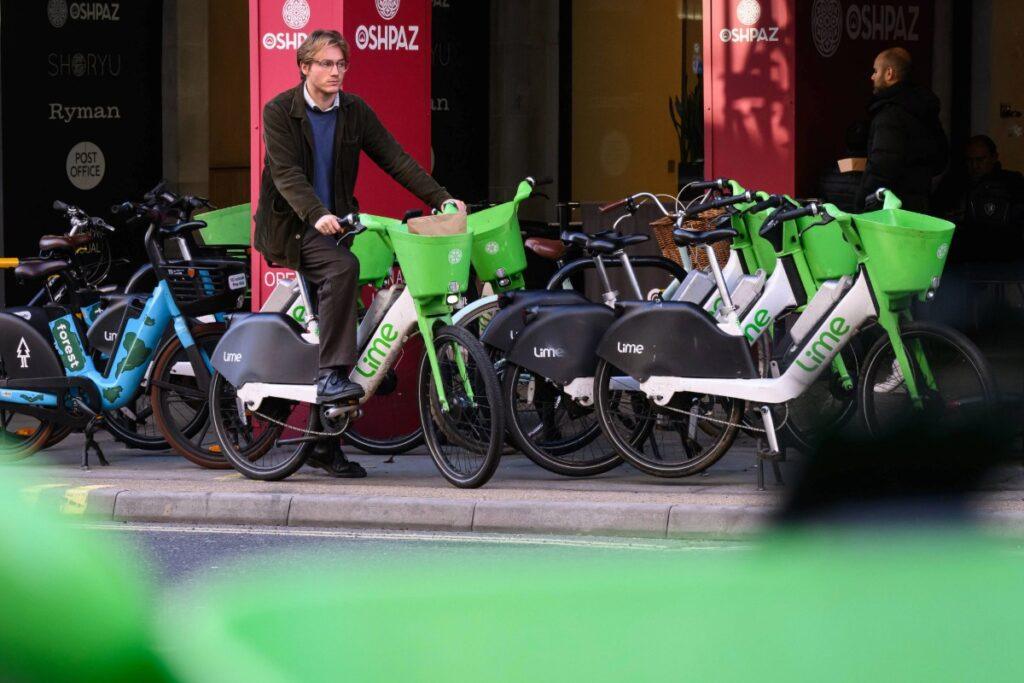
In London, the issue of unused bike parking spaces in office areas suggests that property developers may be addressing the wrong challenges in promoting cycling as a viable mode of transport. Despite increased awareness of environmental issues and the push for greener travel options, the reality appears to indicate a disconnect between facilities provided and the actual needs of cyclists.
Misguided Infrastructure Investments
The sight of empty bike racks outside many office buildings raises questions about the effectiveness of investments made by developers in cycling infrastructure. While the intention to promote cycling is commendable, the execution may not be aligning with the preferences and behaviours of potential cyclists. It seems that merely providing parking spaces is insufficient; a more comprehensive approach is necessary to cultivate a cycling-friendly culture.
Many Londoners are deterred from cycling due to concerns over safety, inadequate cycling routes, and the lack of additional amenities such as showers and changing facilities. Developers, in their quest to meet perceived demands, have overlooked these critical factors. The result is a surplus of bike parking that remains largely unutilised, highlighting a fundamental misunderstanding of the barriers to cycling.
Reassessing Cyclist Needs
To effectively encourage cycling, developers need to engage with the community of cyclists and understand their specific requirements. This includes not only safe and accessible routes but also convenience features that support the cycling experience. Implementing measures such as secure storage, well-maintained paths, and facilities for cyclists could create a more welcoming environment for those considering cycling as part of their daily commute.
Moreover, promoting the benefits of cycling through workplace initiatives can foster a culture that embraces this mode of transport. Employers can play a pivotal role by encouraging cycling through incentives, such as subsidised bike purchases or memberships for bike-sharing schemes, and by promoting cycling as an integral part of a healthy lifestyle.
Looking Towards a Sustainable Future
As London continues to grapple with issues of congestion and pollution, fostering a robust cycling culture could significantly alleviate some of these urban challenges. By prioritising the needs of cyclists and investing in infrastructure that genuinely supports cycling, developers can contribute to a more sustainable and vibrant city. The focus must shift from simply increasing bike parking to creating an environment that encourages more people to choose cycling as their preferred mode of transport.
Ultimately, the key lies in understanding that effective cycling infrastructure does not merely consist of bike racks. It is about creating a holistic environment that promotes safety, convenience, and community engagement. Only through a comprehensive approach can London truly transform into a cycling city that caters to the needs of all its residents.




More Stories
iPhone 18 Pro Review: A Sophisticated Upgrade Worth Sipping On
Football Regulator Issues Stark Warning to Burnham: Resignation Threatened if Ministers Intervene in Manchester City Affairs
MI5 Chief Warns UK Tech Startups to Prepare for Foreign Espionage Threats