
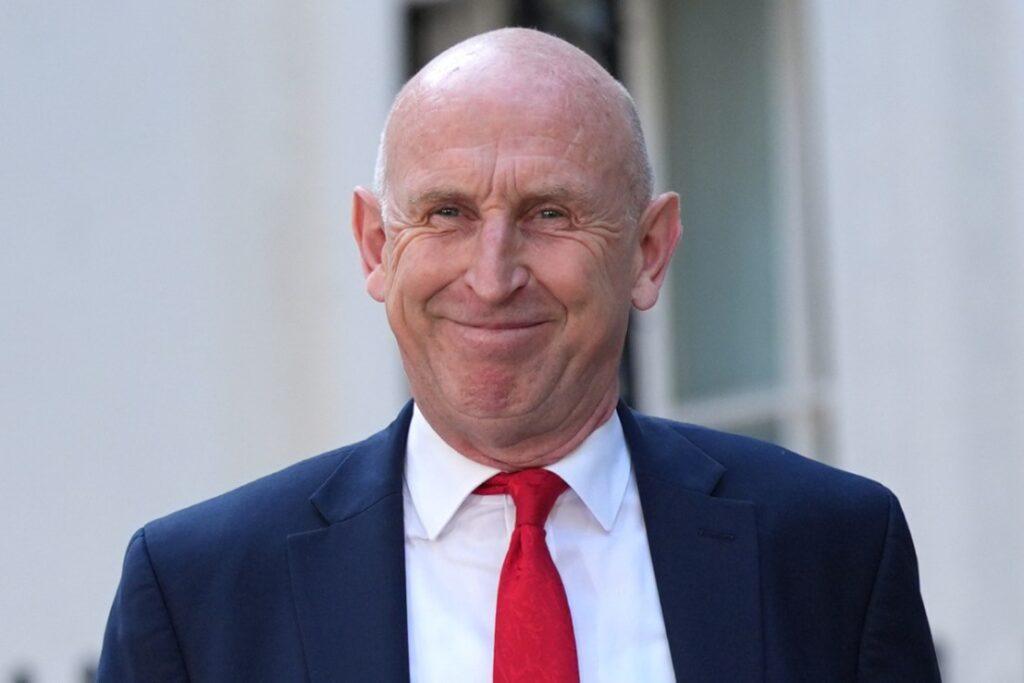
The International Monetary Fund (IMF) has raised concerns regarding the escalating costs associated with government borrowing, a development that intensifies the pressure on Chancellor John Healey amid a global sell-off in financial markets. This situation reflects a broader trend that could have significant repercussions not only for the UK economy but also for global financial stability.
Rising Borrowing Costs and Economic Implications
As investors react to shifting economic conditions, the cost of borrowing for governments around the world is on the rise. This trend poses challenges for policymakers who are already grappling with the ramifications of high inflation and fluctuating interest rates. The IMF’s warning serves as a timely reminder of the delicate balance required to sustain economic growth while managing fiscal responsibility.
The implications of increased borrowing costs extend beyond government budgets. Higher rates can dampen investment and consumer spending, potentially stifling economic recovery. For Chancellor Healey, the task of navigating these turbulent waters will be crucial as he seeks to maintain confidence among investors and ensure the UK’s economic resilience in the face of global uncertainties.
Market Reactions and Future Outlook
The global financial landscape is responding to these developments with heightened volatility, as market participants reassess their strategies in light of rising government debt costs. This shift in sentiment is particularly evident in bond markets, where yields have surged, reflecting the increasing risk perceived by investors.
Chancellor Healey will need to address these challenges with a comprehensive strategy that not only manages current borrowing costs but also lays the groundwork for sustainable fiscal policy. This may involve reassessing government spending priorities and exploring avenues for stimulating economic growth without exacerbating debt levels.
Insights from Financial Experts
The plight of increasing borrowing costs has not gone unnoticed by financial experts, who are closely monitoring the situation. Analysts suggest that the government may need to adopt a more proactive approach to fiscal management, focusing on long-term strategies that enhance economic stability while addressing immediate concerns.
As the situation unfolds, the Chancellor’s response will be scrutinised by both the public and financial markets. Ensuring transparency and demonstrating a commitment to sound fiscal policies will be vital for maintaining investor confidence and fostering economic stability in the UK.
Continued Monitoring and Analysis
As a seasoned Senior City Reporter, I will continue to provide in-depth analysis and updates on this evolving situation. Covering a wide range of financial institutions and capital market trends, I remain dedicated to delivering accurate and insightful reporting on the implications of these developments for both the City and the broader economy.
For further insights and daily updates, I invite readers to follow my weekly column and the morning liveblog, where I discuss key financial matters and their impact on the market landscape. You can reach me via email or connect with me on LinkedIn for ongoing discussions about the financial sector.




More Stories
Pension Savers Reclaim £188 Million After HMRC Overtaxes Withdrawals: A Shocking Oversight
How UK Tax Regulations Influenced the Recent Transfer Window
Revolutionary Inheritance Tax Changes Set to Transform Pension Utilisation in the UK