
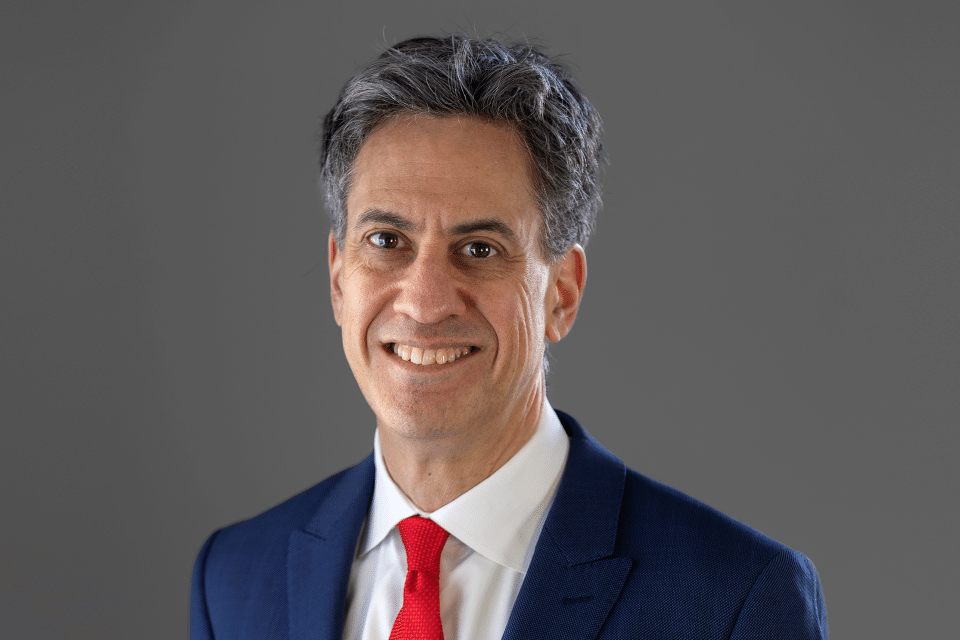
It is my sincere pleasure to express gratitude for the convening of this critically significant session. I would also like to acknowledge the expert speakers whose insightful contributions have truly enriched our discussions today.
Acknowledging the Challenges Ahead
As we gather in this Security Council session, it is essential to take a step back and reflect on the challenges we face. Artificial intelligence is a technology that undeniably possesses the power to transform our world for the better. This impact is evident in our daily lives and across various nations.
However, the pioneers behind this technology have approached us with a stark warning. They emphasise not only their enthusiasm for the positive potential of AI but also their concerns regarding its capacity for harm. They have clearly articulated that the responsibility for averting potential disasters cannot rest solely on their shoulders.
Today, we must heed their words. It is imperative that we do not relinquish our duty to protect our citizens, nor can we outsource the fundamental responsibility of government to private enterprises. This applies to every issue at hand.
The Role of Governments in Addressing AI Risks
This Security Council was established to confront the most pressing collective challenges of our time. It is the role of governments, as many contributors from the tech sector have reiterated, to collaborate—alongside industry stakeholders—to act in the best interests of the people we represent.
The UK Government is resolutely dedicated to this cause. Our approach must commence with safety. This entails a concerted effort to ensure that advanced AI models undergo rigorous testing and that we develop a robust system of assurance around model development, fostering trust in their safety.
Secondly, we must prioritise transparency. The companies behind these models cannot be left to operate in isolation. Governments require the visibility needed to comprehend and evaluate the actions of AI firms. Notably, leading AI companies have committed to providing this transparency, which is crucial and should be pursued diligently.
Building Resilience Against AI Threats
Furthermore, we must enhance our resilience. We need to fortify our defences to mitigate the impact of AI-enabled incidents. Even with thorough testing of every model, we must remain vigilant against the misuse of AI technology. This includes strengthening our cyber defences, safeguarding critical infrastructure, and bolstering our financial systems.
It is equally important to support our populations as they navigate the disruptions that AI will inevitably bring to our lives and workplaces while also harnessing its remarkable benefits. I would like to affirm that the UK will fully engage in this endeavour.
We have established the first AI Security Institute, which shares cutting-edge expertise, testing capabilities, and research, collaborating closely with the United States and leading AI safety labs. As our Prime Minister outlined recently, the UK will prioritise AI during its G20 Presidency next year, building on our history of convening key stakeholders to address this issue.
Collaborative Efforts for Responsible AI Development
Our aim is to dismantle barriers between government, industry, researchers, and civil society to unlock the potential of AI for good while effectively managing the associated risks. This encompasses concerns regarding job security, child protection, cybersecurity, biosecurity, national security, and financial stability.
As we strive to establish a unified set of global principles and standards, we must ensure the necessary transparency and access to bolster our preparedness and guarantee the safety of AI development. Furthermore, as highlighted by a previous speaker, it is crucial to embrace the opportunities presented to both the Global South and Global North.
Emphasising the Importance of Trust in AI
To conclude, it is vital to recognise that this is not merely a choice between progress and safety. We can only innovate and reap the extraordinary benefits of AI—benefits that we all aspire to—if the public has confidence that appropriate safeguards are in place. Therefore, it is essential that we collectively implement all necessary measures to ensure AI is secure, safe, and trustworthy while simultaneously advancing its immense potential to drive growth, cure diseases, and transform lives.
Lastly, we must acknowledge that we have received ample warnings regarding the implications of AI. The founders of this remarkable technology, with its vast potential for good, have cautioned us. It is our responsibility to heed these warnings and to act upon them collectively.



More Stories
Veterinary Vaccine Quality Control Sees Decade-Low in Animal Usage
Minister Aims to Revitalise Steelmaking Industry with New Steel Council Initiatives
Sir John O’Hara KC Appointed to Head Parades Commission Review in Northern Ireland