
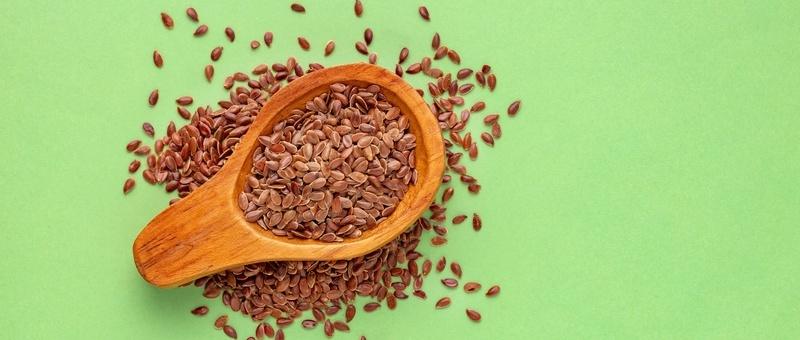
Flax seeds are increasingly recognised for their numerous health benefits, particularly for women. These tiny seeds not only support hormonal balance but also promote slower digestion and assist in regulating blood sugar levels. Their rich nutritional profile makes them a valuable addition to various meals, snacks, and beverages, contributing to heart health and overall wellbeing.
Exploring the Nutritional Profile of Flax Seeds
Flax seeds, also known as linseeds, are small, oval-shaped oil seeds that come in a variety of shades, ranging from reddish-brown to golden yellow. They can be consumed whole, ground, or as flaxseed oil, and are highly regarded for their health benefits, which health professionals frequently advocate.
Dr Brittany Busse, Co-Founder and Chief Medical Officer at ViTelHealth in Sacramento, California, highlights the micronutrients present in flax seeds that are particularly beneficial for menstruating women. These nutrients can have a positive impact on hormonal balance by influencing oestrogen levels. “When oestrogen is too low, it can stimulate your body to produce more,” she explains. “Conversely, when oestrogen levels are too high, flax seeds can help mitigate the negative effects of excess oestrogen.”
Health Benefits During Midlife Transition
Dr Bill Kapp, Chief Executive Officer of Fountain Life in Florida, concurs that the nutrients found in flax seeds may be especially advantageous for women during the midlife transition. He points out that these seeds can aid in digestive health and support both heart and gut function. While he acknowledges the potential benefits of flax seeds for hormonal balance, he cautions that the current evidence does not definitively confirm a significant impact.
Furthermore, Busse notes that flax seeds can aid in digestion, which may help reduce cravings and enhance insulin sensitivity. Emerging research even suggests that they may support cognitive health as one ages. Maintaining a healthy balance of omega-3 fatty acids is crucial in lowering the risk of heart disease, particularly for post-menopausal women who experience decreased oestrogen levels.
Blood Sugar Regulation and Dietary Considerations
Flax seeds are abundant in soluble fibre, healthy fats, and protein, all of which contribute to stabilising blood sugar levels. Trista Best, a registered dietitian with The Candida Diet in Georgia, explains that these components work synergistically to improve glycaemic control. “Incorporating flax seeds into your diet can enhance blood sugar regulation, making it especially beneficial for those with diabetes or insulin resistance,” she advises. However, she emphasises the importance of consulting a healthcare professional for personalised guidance regarding blood sugar management.
While flax seeds can offer health benefits as part of a balanced diet, moderation is key. Experts recommend not exceeding 1-2 tablespoons per day. Busse suggests that ground flax seeds are preferable for nutrient absorption, as whole seeds often pass through the digestive system without being fully processed, leading to minimal nutritional gain.
Caution for Specific Health Conditions
Health professionals advise individuals with hormone-sensitive conditions, or those taking certain medications, to consult their doctors before making significant dietary changes involving flax seeds. Kapp warns that many individuals may not be accustomed to high fibre intake, which can lead to gastrointestinal discomfort such as bloating, gas, and diarrhoea.
In addition, the presence of lignans in flax seeds exhibits weak oestrogen-like activity, with some researchers suggesting that they may alleviate menopausal symptoms, although results remain inconclusive. The alpha-linolenic acid (ALA) in flax seeds has been linked to a reduction in plaque build-up associated with atherosclerotic disease, ultimately lowering the risks of stroke and heart attacks and reducing inflammation in blood vessels.
Nevertheless, those on blood-thinning medications should approach flax seeds with caution, as they may have a mild blood-thinning effect that could interact with their treatment regimen.
Conclusion
Flax seeds present a myriad of potential health benefits, particularly for women navigating hormonal fluctuations and midlife changes. Their rich nutrient composition can support digestive health, blood sugar regulation, and may even contribute to heart health. However, as with any dietary addition, it is essential to consider individual health circumstances and consult with healthcare providers to ensure safe and beneficial integration into one’s diet.




More Stories
Discover the Science Behind Autumn Nesting: Embrace the Cosy Season Ahead
Exploring Mindfulness, Mental Health, and Diabetes: Insights from Adam Smith
Discover the Health Insights Hidden in Your Waist Measurement