
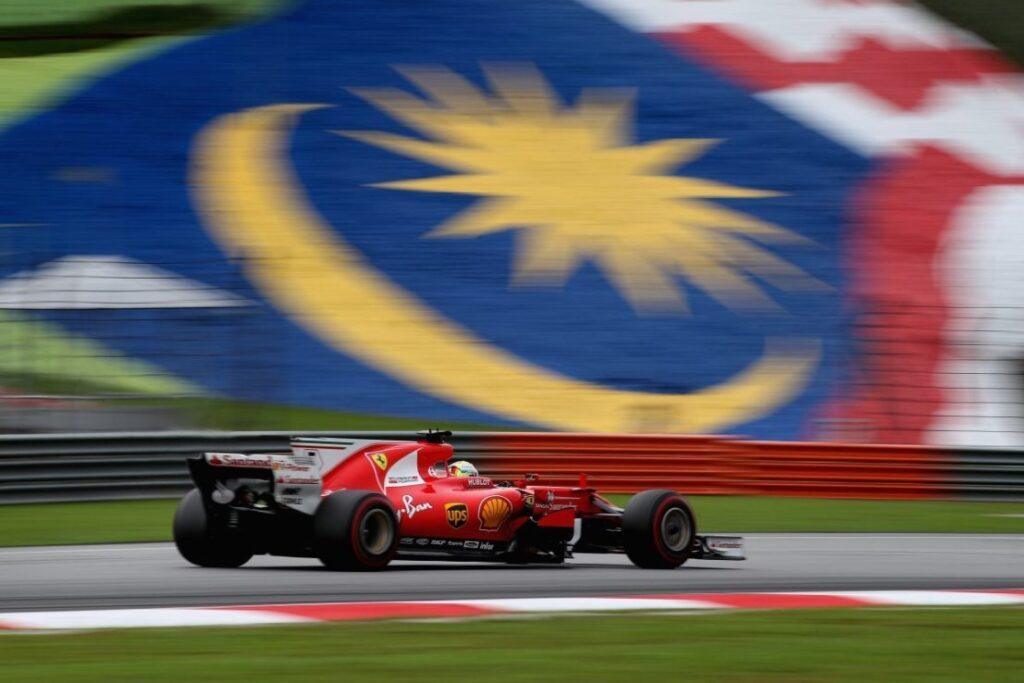
In the realm of international motorsport, hosting a Formula 1 race weekend is often seen as a prestigious badge of honour for nations wishing to elevate their global standing. The allure of this coveted event is undeniable, drawing countries eager to showcase their capabilities and attract a diverse influx of tourists and media attention.
The Allure of Formula 1 Hosting
Formula 1 is not merely a sporting event; it represents a unique opportunity for cities to demonstrate their infrastructure, hospitality, and cultural wealth. The excitement generated by a Grand Prix weekend can significantly boost local economies, with an influx of visitors seeking to immerse themselves in the high-octane atmosphere that surrounds this elite competition. Each race attracts not only avid fans but also high-profile sponsors and media from around the globe, all keen to witness the engineering marvels and athletic prowess on display.
Countries that secure a Formula 1 race often invest heavily in their facilities, ensuring that they meet the rigorous standards set by the sport’s governing body. This investment can lead to lasting benefits, as improved infrastructure can serve the local population long after the last car has crossed the finish line.
Matt Hardy’s Insight into Sporting Investment
Matt Hardy, the Deputy Sports Editor at City AM, brings extensive knowledge to the discussion of sports investment, particularly in the context of events like Formula 1. With a focus on the intricate relationship between sport and business, Hardy examines how nations leverage high-profile sporting events to drive economic growth and enhance their global image.
His expertise encompasses a wide range of sports, including rugby and cricket, where he explores the dynamics of investment and venture capital. Hardy’s insights reveal how the strategies used in securing a Formula 1 race can be mirrored across various sporting disciplines, showcasing the growing recognition of sports as a lucrative investment opportunity.
The Economic Impact of Hosting Major Sporting Events
The economic ramifications of hosting a Formula 1 race extend beyond immediate financial gains. Cities often experience a surge in tourism, which can lead to long-term developmental benefits. Hotel occupancy rates soar, restaurants see increased patronage, and local businesses thrive in the heightened activity surrounding the event.
Moreover, the media exposure garnered during a Grand Prix can significantly enhance a nation’s profile on the world stage. Countries that host such prestigious events often find themselves in the global spotlight, which can lead to further investment and interest in other sectors, including technology, culture, and tourism.
A Bright Future for Formula 1 Hosting
As the global appetite for Formula 1 continues to grow, more countries are likely to vie for the opportunity to host a race. The blend of sport, spectacle, and economic potential makes it a unique proposition for nations aspiring to elevate their international status. The sport’s evolving landscape, coupled with advancements in technology and sustainability, promises to set the stage for an exciting future where nations can showcase their capabilities through the thrilling world of Formula 1.


More Stories
Impact of Bank Tax Raid on JP Morgan’s Canary Wharf Skyscraper: What You Need to Know
Big Four Firms Secure £1.5bn in Government Contracts Despite Labour’s Commitment to Reduce Spending
Cloth Cornhill Review: Discover the Fabulous Comeback of a London Icon