
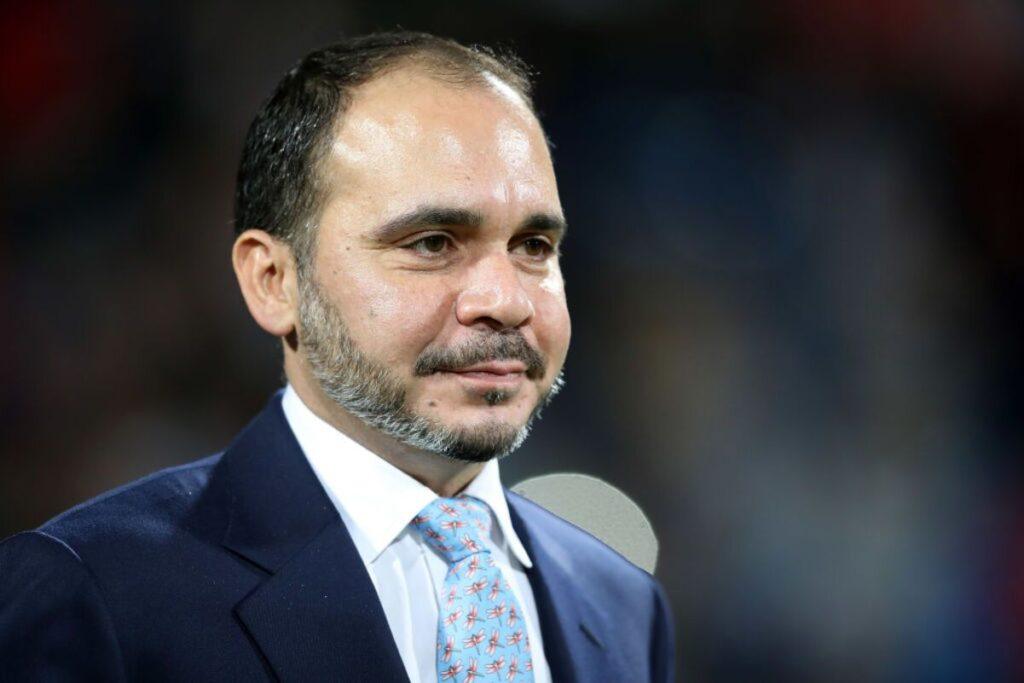
Recent tensions surrounding the future of FIFA in Asia have taken an unexpected turn, following Prince Ali of Jordan’s apparent retraction of previous allegations involving “threats” and “bribes.” This development has added another layer of complexity to the ongoing discussions and disputes within the football governing body.
Background of the Controversy
The controversy initially erupted when Prince Ali bin Hussein publicly accused certain officials within FIFA of resorting to coercive tactics to influence decisions related to the organisation’s governance. His comments sparked significant backlash and raised questions about the integrity of the processes underpinning FIFA’s operations in the region. The prince has been a prominent figure in the fight for reform within FIFA, advocating for greater transparency and accountability.
However, in a surprising turn of events, Prince Ali has seemingly distanced himself from his earlier statements, leading to speculation about the motivations behind his initial claims. The retraction has left many wondering whether external pressures influenced his change of stance or if it reflects a shift in his strategy regarding the ongoing governance issues within FIFA.
The Implications for FIFA in Asia
This shift in narrative could have significant implications for FIFA’s future in Asia. With Prince Ali being a key player in the region’s football landscape, his comments and subsequent retraction may affect the confidence of stakeholders who are seeking reform within the organisation. Many fans and officials are concerned that without a commitment to transparency, the integrity of football governance in Asia may remain compromised.
As discussions continue, it is imperative for all parties involved to ensure that the focus remains on fostering a fair and equitable environment for football development across the continent. The unfolding situation underscores the need for a robust dialogue among stakeholders and a commitment to reform that truly prioritises the sport’s best interests.
The Role of Stakeholders in Future Reforms
As the situation develops, it is crucial for stakeholders within Asian football to engage constructively in talks about governance reform. The recent statements from Prince Ali highlight the complexities of navigating power dynamics within FIFA, especially in regions grappling with their own unique challenges and ambitions.
Involving a wide range of voices in the conversation is essential to build a consensus that prioritises the sport’s integrity and fosters trust among fans, players, and officials alike. A collaborative approach could pave the way for meaningful reforms that not only enhance governance but also promote the sustainable growth of football in Asia.
As the world watches closely, the outcome of these discussions will undoubtedly shape the future of FIFA and its influence in the region. The commitment to reform and transparency will be critical in determining how Asian football evolves in the coming years.




More Stories
Asda’s Turnaround Chief Appoints Successor to Lead the Retail Revolution
Barclays and HSBC Bankers Contribute Over £500,000 to US Midterm Elections
City Regulator Poised to Respond to Bank Windfall Tax Budget Leak