
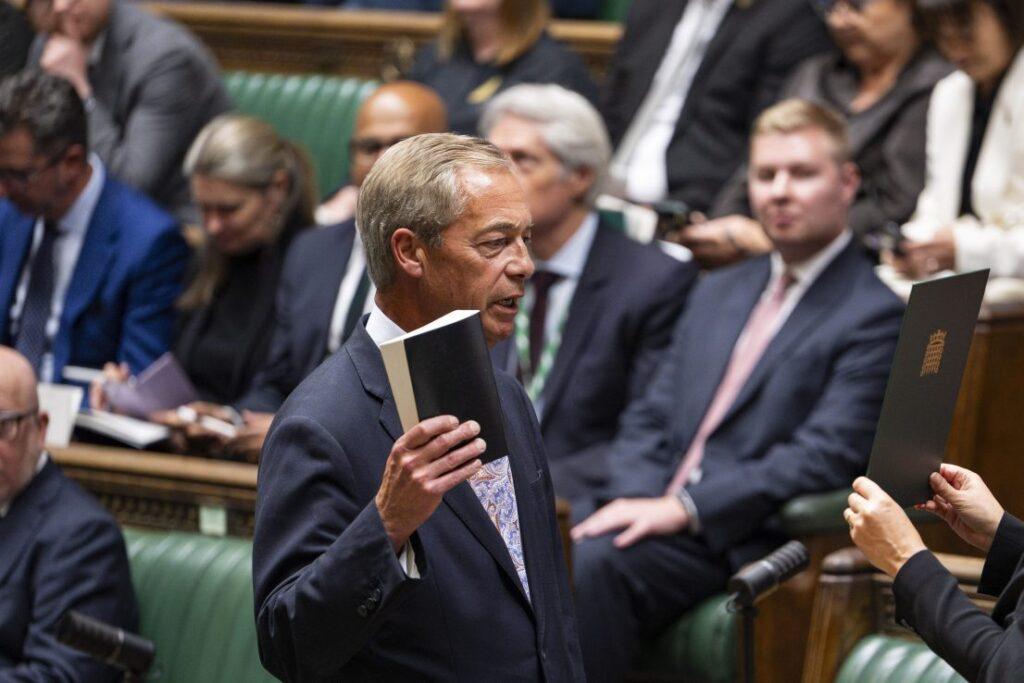
In a bold initiative unveiled on Friday, Nigel Farage has proposed a plan that would require Members of Parliament to convene seven days a week. The purpose of this intensified schedule is to expedite the passage of government-drafted legislation, a move that Farage asserts is necessary to address pressing national issues.
On the very first day of his proposed administration, Farage has declared his intention to instigate a “national emergency.” This declaration aims to facilitate the swift enactment of critical bills, underscoring his commitment to ensuring that government policies are implemented without delay.
A Focus on Economic Reporting
In related news, Maurício Alencar serves as the Economics and City Reporter for City AM. His role encompasses the analysis of key UK economic indicators, including inflation and immigration trends, alongside monitoring the activities of the Bank of England and the Treasury. Alencar also delves into business surveys and other narratives that are pivotal to understanding the economic landscape of the City of London.
Previously, Alencar has reported on international affairs and sports for various publications, and he has a background in investigative journalism. He has expressed a desire to continue pursuing in-depth investigative stories, demonstrating his commitment to uncovering significant narratives that impact the public and the economy.
Implications of Farage’s Proposal
Farage’s proposal for a week-long parliamentary schedule raises questions about the feasibility and implications of such a move. Critics may argue that continuous sessions could lead to burnout among MPs, potentially affecting the quality of legislative debate and decision-making. On the other hand, proponents might contend that this approach could significantly enhance the government’s ability to respond to urgent matters, thereby improving overall governance.
The concept of declaring a national emergency to facilitate swift legislative changes is not without precedent, but it does evoke a range of opinions regarding its appropriateness and potential consequences for democratic processes. As discussions surrounding this proposal unfold, it will be crucial to consider the balance between urgency and thorough legislative scrutiny.
Looking Ahead
As Farage’s plans gain traction, the spotlight will undoubtedly be on both political leaders and economic analysts to assess the broader implications for UK governance and economic stability. With the backdrop of a constantly evolving political landscape, the effectiveness of such a proposal will hinge on public support and the ability of MPs to adapt to an unprecedented legislative rhythm.
Ultimately, the coming weeks will reveal whether these ambitious plans will resonate with the electorate and if they will be implemented in practice. The dialogue surrounding these proposals is set to shape the future of UK politics and its approach to addressing the nation’s most pressing challenges.

More Stories
MPs Called to Support Ban on Strike Action During Major Sporting Events
Discover the Visionary Leading London’s Largest Factory Development Since WWII
Sainsbury’s Aims to Reclaim Spotlight Following Shocking Morrisons Merger Announcement