
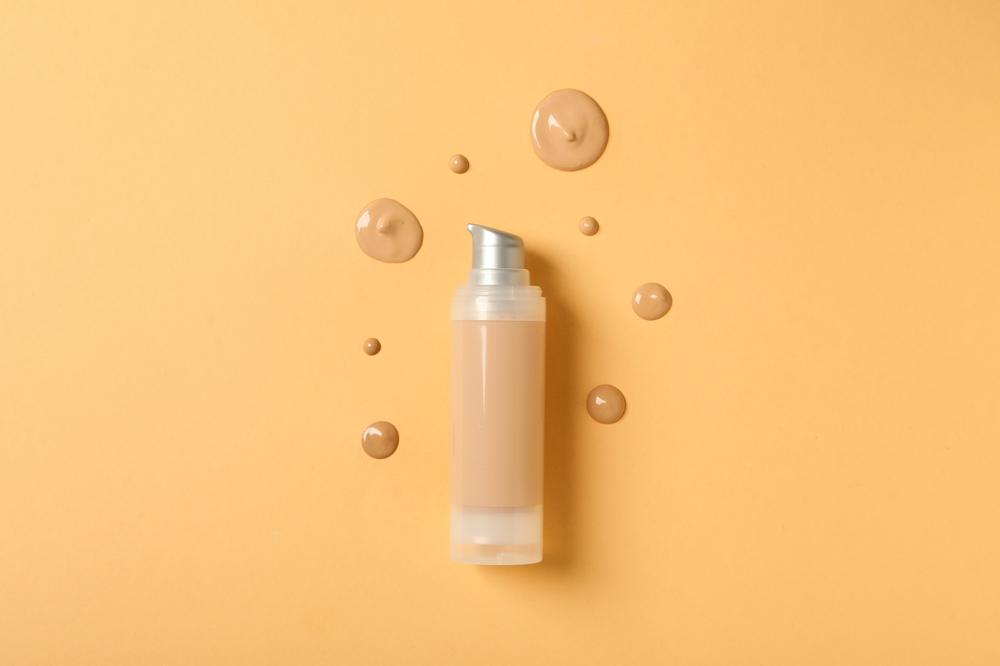
Recent testing has revealed the presence of potentially harmful substances in counterfeit makeup and skincare products, raising significant concerns about the risks they may pose to our health.
With the festive season approaching, many individuals will be keen to refresh their cosmetics to prepare for parties and celebrations. However, it is crucial to remain vigilant about the dangers associated with counterfeit beauty products while updating your makeup collection.
Counterfeit beauty products are unauthorised imitations of recognised beauty and skincare brands, crafted to resemble authentic items but lacking authenticity. These products are illegal, not only due to infringements on intellectual property rights but also because they often do not comply with the stringent safety and quality standards upheld by reputable beauty brands. Consequently, they can present serious health risks, as they may contain harmful or unregulated ingredients that can adversely affect your skin, eyes, and potentially even your internal organs and nervous system.
Furthermore, counterfeit items are frequently produced in unsanitary conditions, where inadequate hygiene and lack of quality control can lead to harmful bacteria contaminating both the products and their packaging. When applied to the skin, these contaminants can cause irritation, infections, and other negative reactions.
Government Campaigns to Combat Counterfeiting
To raise awareness of these hazards, the UK Government’s Intellectual Property Office has initiated the ‘Face the Fakes’ campaign. An analysis of 50 seized counterfeit beauty and skincare products by Trading Standards revealed that four out of ten contained potentially harmful substances.
Dr Sidra Khan, a Consultant Dermatologist based in Glasgow, who specialises in pigmentation and skin of colour, has expressed particular concern regarding the counterfeit skin-lightening market. She notes that hydroquinone is prohibited in cosmetic skin-lightening products in the UK and should only be used under clinical supervision when prescribed for treating pigmentation issues.
Dr Khan emphasises that consumers should be able to trust that the ingredients listed on a product’s packaging accurately represent what is contained within. “Counterfeit products bypass many of the safety, manufacturing, and quality-control processes required of legitimate cosmetics,” she states.
She adds, “The concern extends beyond mere irritation or an allergic reaction on the skin. Some of these substances can be absorbed into the body and, with repeated exposure, may potentially harm organs such as the kidneys and nervous system. There are also specific concerns regarding exposure to certain toxic substances during pregnancy.”
Protecting Yourself from Counterfeit Products
If you are apprehensive about identifying potentially harmful beauty products, recognising the warning signs is a crucial first step in safeguarding your health. It is essential never to accept a product’s claims at face value, regardless of its point of sale. There are several effective strategies to help protect yourself from hazardous counterfeit items.
Dr Khan concludes, “This is fundamentally about safety. Consumers deserve assurance that the products they apply to their skin have undergone appropriate testing, manufacturing, and regulation.”
The landscape of skincare is also evolving with the emergence of LED face masks, which claim to tackle acne and smooth fine lines using various wavelengths of light. Additionally, AI-powered health tools that purport to analyse skin conditions based on uploaded photographs are gaining popularity. However, experts caution that these tools can sometimes do more harm than good.
Understanding the Role of Hyaluronic Acid
For those seeking to enhance their skincare routine with hydration, hyaluronic acid is a standout ingredient. Unlike other skincare acids that exfoliate, hyaluronic acid draws moisture into the skin, helping to maintain its protective barrier and promote a youthful appearance. This ingredient has risen to prominence in recent years and is now a key component in numerous cosmetic products and treatments.
While the importance of SPF in protecting skin from harmful UV rays is widely acknowledged, it is crucial to understand that everyday skincare products can inadvertently increase the risk of sunburn.
Many individuals are familiar with retinol, a key ingredient in skincare. However, confusion often arises regarding its definition and the related terms ‘retinoid’ and ‘retinoic acid.’ Retinol has long been celebrated for its benefits, particularly its anti-ageing properties, and continues to be a popular choice in skincare routines.
The Benefits of Glycolic Acid
Another widely trusted ingredient is glycolic acid, recognised for its effectiveness in addressing issues ranging from anti-ageing to skin blemishes and acne. This ingredient is suitable for anyone aiming to maintain healthy, youthful skin, but is particularly beneficial for those with oily or acne-prone skin. Glycolic acid works by dissolving dead skin cells, promoting a clearer and more radiant complexion.
As consumers, it is imperative to remain informed about the products we use and to prioritise our safety and wellbeing when it comes to skincare.



More Stories
Discover How Your Late-Night Snacks Can Improve Your Sleep Quality
Spotlight on Waste Crime: The Importance of Your Report
7 Simple Daily Habits to Boost Your Lung Health