
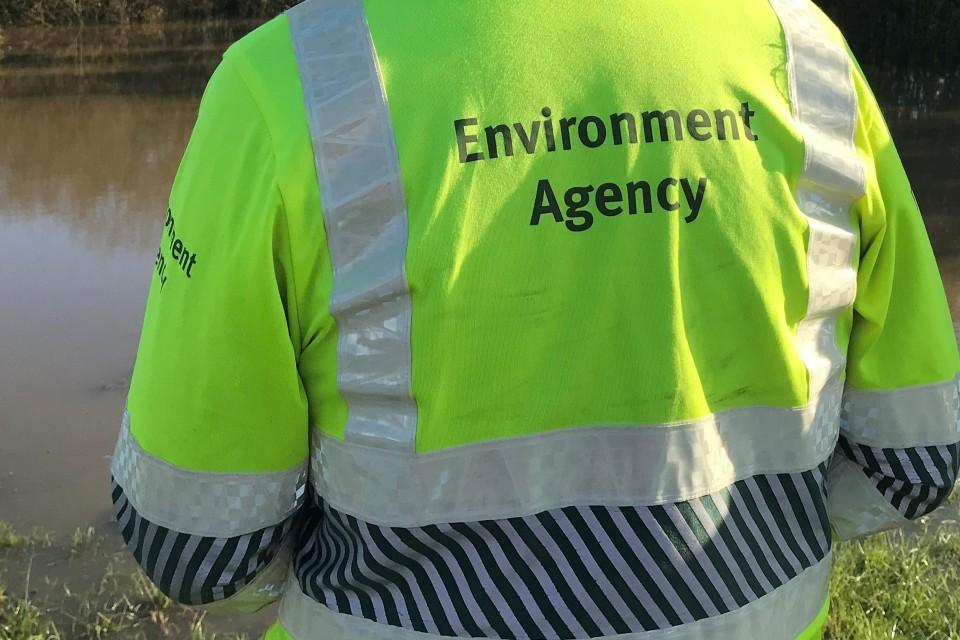
A public consultation regarding the draft decision from the Environment Agency was conducted earlier this summer, leading to the recent developments concerning Drax Power Ltd’s environmental permit application. This decision hinges on Drax successfully demonstrating compliance with the mandatory conditions stipulated in the permit.
The company has sought to modify its environmental permit to include carbon capture technology at its bioenergy facility located near Selby. The Environment Agency is committed to ensuring that permits or any variations are granted only when it is assured that the operator can adhere to the permit conditions and has the necessary systems in place to operate without causing detriment to the environment, human health, or wildlife.
Commitment to Environmental Protection
Ian Foster, Area Environment Manager at the Environment Agency, stated, “We have thoroughly reviewed the feedback and evidence gathered during the consultation on our draft decision and are confident that sufficient levels of environmental protection are maintained.” He emphasised that the legal framework governing environmental regulations dictates these conditions, and the Agency will issue the permit if there are no indications that the operator would fail to comply.
A detailed decision document has been made available, which elaborates on how the Environment Agency arrived at its conclusion. This document also addresses the concerns raised during the consultation process and outlines the measures taken by the Agency in response.
Drax initially submitted its application for the variation in May 2023. At that time, the Environment Agency facilitated a public consultation, allowing the community to voice their opinions on the application. Upon reviewing the application, the Agency found that the information provided by Drax was insufficient, prompting a request for a more comprehensive assessment.
Revised Assessments and Consultations
In response, Drax submitted a revised air emissions risk assessment, which included potential substances that could be produced in the carbon capture process. This led to a second round of consultations held in February 2025, followed by a third and final consultation regarding the Agency’s draft decision earlier this summer.
Carbon capture technology involves extracting carbon dioxide from waste gases—typically through absorption in a special solvent—and subsequently either utilising it or permanently storing it underground. This process aims to significantly reduce the amount of carbon dioxide emissions released into the atmosphere during electricity generation.
Drax Power Ltd plans to capture the carbon dioxide emitted during its power generation activities, thereby preventing a substantial volume from entering the atmosphere. The captured carbon dioxide is intended to be transported for permanent storage beneath the North Sea.
Legal Obligations and Permit Issuance
The Environment Agency can only decline a permit application if it fails to meet one or more legal requirements established under environmental legislation, particularly if it poses an unacceptable risk to the environment or human health. In instances where all criteria are satisfied, the Agency is legally bound to issue the permit.
Environmental permits impose stringent legal conditions that operators must follow to ensure the protection of both people and the environment. Should a permit be granted, the Environment Agency is responsible for enforcing its terms. This enforcement includes the issuance of enforcement notices, suspension or revocation of permits, the imposition of fines, and ultimately, criminal sanctions, including prosecution.
Permits may only be refused if they do not comply with the legal requirements outlined in environmental legislation, especially if they threaten significant environmental harm or jeopardise human health. If all stipulated requirements are fulfilled, the Environment Agency is obliged to grant the permit.




More Stories
Andy Lord Takes the Helm as Interim Chair of NAD Group Advisory Board
Creating an Inclusive Energy System for Everyone
Exciting Announcement: New Regius Professorship of Medicine to be Established at the University of Oxford on 14 October 2026