
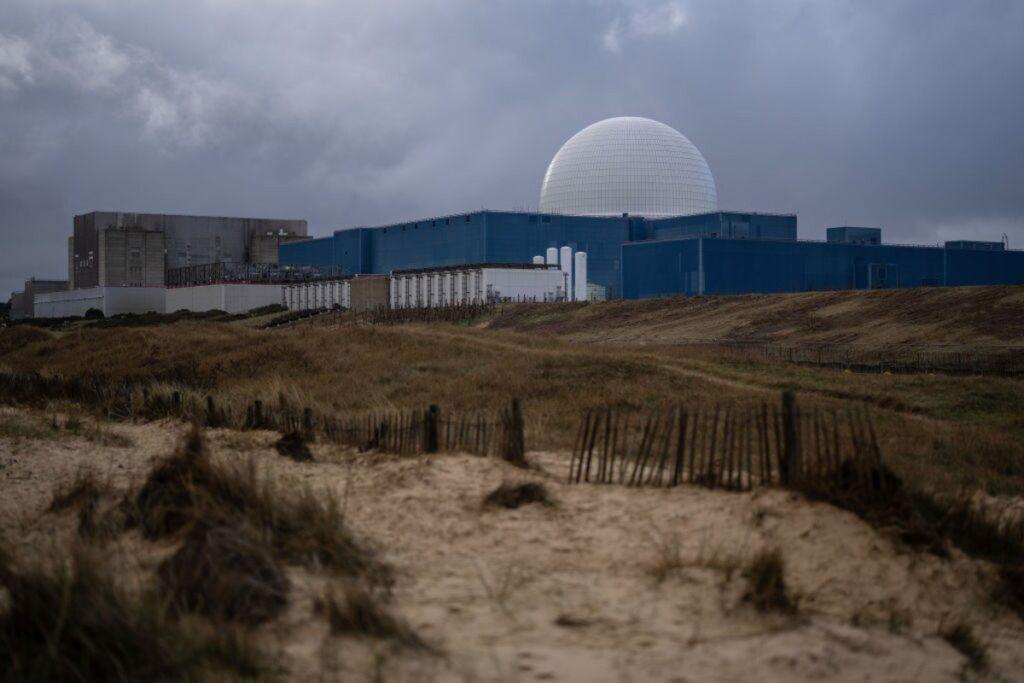
The Economic Justification Debate
There is an ongoing discussion surrounding the financial justification of major projects, particularly in the context of the Sizewell C nuclear power plant. Critics argue that every initiative must demonstrate its worth in clear financial terms, often reducing complex societal and environmental benefits to mere monetary values. However, this perspective may overlook the broader implications of such projects.
While financial viability is undoubtedly an important consideration, it should not be the sole determining factor. The potential for renewable energy sources to contribute to energy security, reduce carbon emissions, and foster economic growth cannot be quantified solely in pounds, shillings, and pence. The societal benefits, including job creation and advancements in technology, must also be taken into account.
Broader Impacts of Sizewell C
Sizewell C represents more than just a financial investment; it embodies a commitment to a sustainable energy future. The development of this nuclear power station is poised to play a significant role in the UK’s transition towards greener energy solutions, supporting the government’s climate objectives.
Furthermore, Sizewell C is expected to generate thousands of jobs during its construction and operation phases, contributing to local economies and providing long-term employment opportunities. These factors contribute to a narrative that extends beyond simple economic calculations, highlighting the project’s potential to enhance energy resilience and support community development.
The Value of Long-Term Thinking
In considering the future of energy generation, it is crucial to adopt a long-term perspective. The initial financial outlay for projects like Sizewell C may seem daunting, yet the long-term benefits, including stable energy prices and reduced reliance on fossil fuels, can far outweigh the initial costs.
Furthermore, investing in nuclear energy offers a solution to the intermittency issues associated with renewable sources like wind and solar. A diversified energy portfolio is essential for ensuring a reliable supply, which can ultimately lead to greater energy independence and security.
Conclusion: A Holistic Approach
In conclusion, while financial justification is a necessary aspect of project evaluation, it should not overshadow the broader societal and environmental benefits that initiatives like Sizewell C bring to the table. A holistic approach that considers both economic and non-economic factors is essential for fostering a sustainable and secure energy future. As the debate continues, it is imperative to recognise the multifaceted value of such projects and to engage in discussions that encompass all dimensions of their impact.




More Stories
Rate Increase Justified, But Let’s Move Beyond Blaming Iran
Women’s Football: Thriving on Its Own Terms Without Mimicking Men’s Game
Upcoming Tube Strikes Scheduled Across Four Months: What You Need to Know