
Unveiling the Mysteries of Nebulae
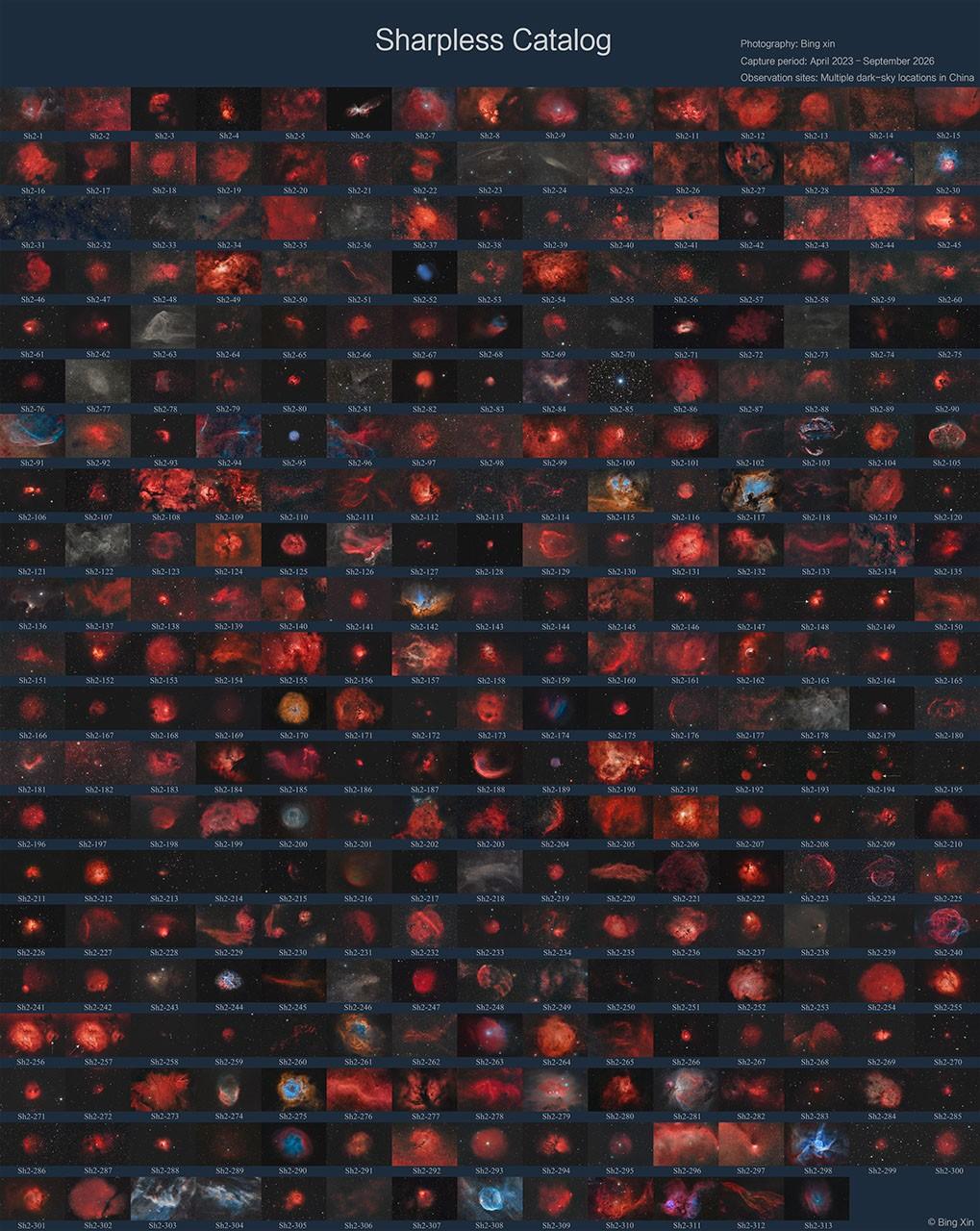
In the vast expanses of the cosmos, nebulae present a stunning array of shapes and luminosities, captivating astronomers and enthusiasts alike. The latest collection features an impressive 313 distinct images of these celestial phenomena, each showcasing the intricate behaviour of interstellar gas. Some nebulae appear faint and ethereal, while others radiate brilliance, revealing their complex structures and dynamic processes.
The Sharpless Catalog: A Treasure Trove of H II Regions
The impressive array of nebula images represents the entirety of the Sharpless Catalog of H II Regions, which encompasses a total of 313 objects. This extensive catalogue serves as a crucial resource for astronomers studying the formation and evolution of stars within these regions. Each nebula depicted offers a unique insight into the processes that govern stellar birth and the interaction of gas and dust in our universe.
Techniques in Capturing Celestial Beauty
Imaging such a vast number of nebulae requires a combination of advanced technology and meticulous planning. Astronomers utilise powerful telescopes equipped with sensitive cameras to capture the faint light emitted by these distant objects. By employing various filters and imaging techniques, they can reveal the stunning details of each nebula, bringing forth features that are often invisible to the naked eye.
Exploration Beyond the Images
Zooming into these images allows viewers to appreciate the intricate details and fascinating structures of the nebulae. Each image offers a window into the celestial landscape, inviting further exploration and study. The vibrant colours and diverse shapes not only illustrate the beauty of the universe but also provide vital clues about the physical processes at play, from star formation to the emission of light by ionised gases.




More Stories
Stunning Selfie Captured at Vera Rubin Ridge – 3rd October 2026
NASA Invites Applications for Upcoming Flight Director Positions
NASA’s SpaceX Crew-13 Successfully Launches to the International Space Station