
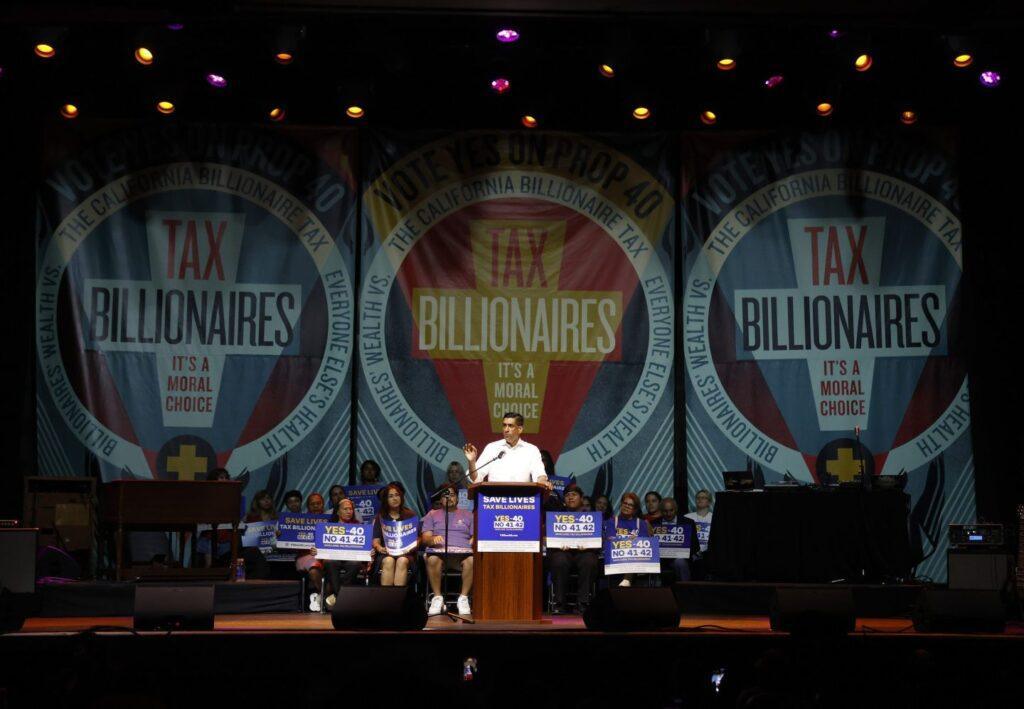
In a recent referendum, California voters have decisively turned down the proposal for a wealth tax. This outcome, however, has raised questions about the motivations behind the campaign that led to such a rejection, particularly given that the ‘no’ campaign was significantly financed by billionaires with vested interests in the matter.
Financing the Opposition
The substantial financial backing from wealthy individuals aimed at defeating the wealth tax initiative suggests a strong desire to protect their economic interests. This financial influence has prompted concerns about the integrity of the democratic process, as the voices of ordinary citizens may be drowned out by those with considerable resources.
While the rejection of the wealth tax may be viewed as a victory for proponents of limited taxation, it is worth considering the implications of allowing self-interested parties to dictate the terms of public policy. The debate surrounding wealth taxation is not merely a question of economics; it encompasses broader themes of equity and social responsibility.
The Broader Implications of Wealth Taxation
Advocates for a wealth tax argue that it is a necessary measure to address income inequality and fund essential public services. They contend that the concentration of wealth in the hands of a few undermines the principles of fairness and opportunity for all citizens. The failure to implement such a tax in California may perpetuate existing disparities, making it imperative to reevaluate the state’s approach to taxation and wealth distribution.
Despite the outcome of this referendum, the dialogue surrounding wealth taxation is unlikely to dissipate. As socio-economic challenges persist, the need for a more equitable tax policy will remain a pressing issue, prompting continued debate among policymakers, economists, and the public alike.
Future Considerations
The rejection of the wealth tax reflects a complex interplay of interests and ideologies within California. Moving forward, it is essential for the state to engage in meaningful discussions about economic policy that prioritise the welfare of all its residents, rather than catering solely to the interests of a select few.
As California navigates its fiscal future, the lessons learned from this referendum may serve as a catalyst for rethinking how wealth is taxed and distributed, ensuring that all voices are heard in the ongoing conversation about the state’s economic landscape.




More Stories
Orange or CMA CGM: Potential Replacements for Altrad as France Rugby’s Shirt Sponsor
Talent Agency Secures Keir Starmer for Exclusive Speaking Engagements
RFU Considers Welsh Teams’ Entry into Premiership Rugby: What It Means for English Rugby