
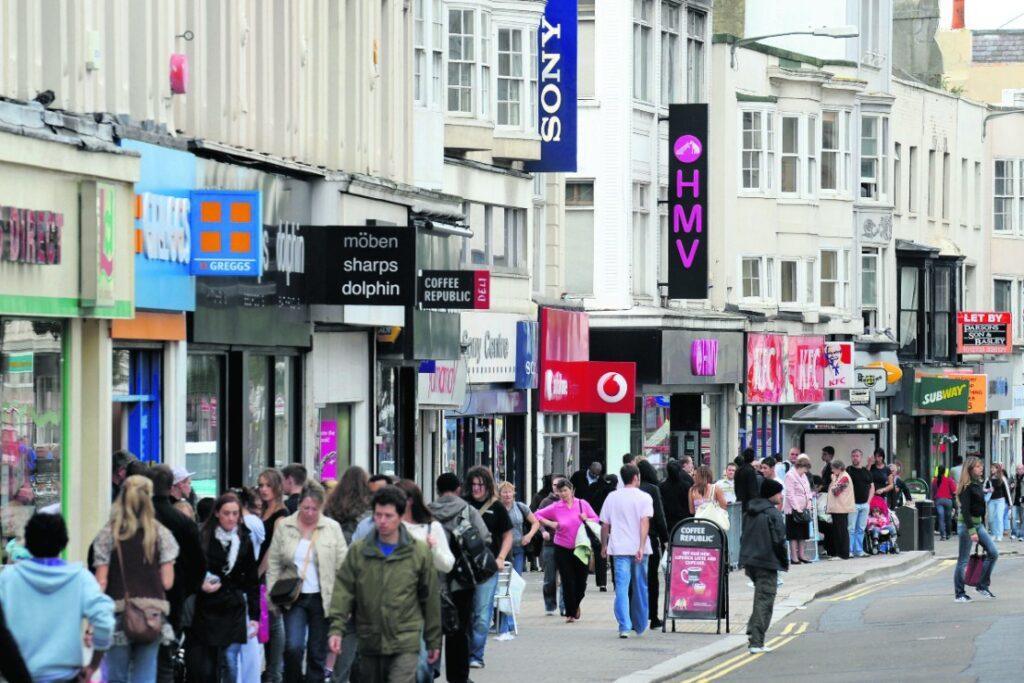
Andy Burnham’s proposal to reform business rates with the aim of revitalising Britain’s high streets has been estimated to incur an annual cost of approximately £880 million, based on recent analyses. This ambitious initiative seeks to alleviate the financial pressures faced by retailers and promote a more vibrant urban shopping environment.
Financial Impact of Proposed Reforms
The financial implications of Burnham’s plans raise significant questions regarding the sustainability of such a fiscal adjustment. The proposed overhaul aims to reduce the burden of business rates on local shops, which have been struggling in the face of rising costs and competition from online retailers. By lowering these rates, it is hoped that more resources will remain within the local economy, enabling businesses to invest in their operations and staff.
However, critics argue that the projected £880 million cost could lead to larger fiscal deficits for local councils, which rely heavily on business rates as a source of revenue. The balance between supporting local businesses and maintaining essential public services remains a contentious issue among policymakers.
Supporting Local Economies
Burnham’s proposal underscores a growing recognition of the need to bolster local economies, particularly in the wake of the challenges posed by the COVID-19 pandemic. High streets have long been the heart of communities, and their decline has prompted calls for a more supportive policy framework. By reforming business rates, Burnham aims to breathe new life into these areas, encouraging foot traffic and increased consumer spending.
Additionally, the plan includes provisions for more tailored support to small and independent retailers, which often lack the resources to compete with larger chains. By prioritising these businesses, the initiative seeks to foster diversity and resilience within local markets.
Challenges Ahead for Implementation
Despite the potential benefits, the implementation of Burnham’s proposed reforms will undoubtedly face challenges. Local authorities may struggle to adapt to the financial shifts, and there is a risk that the changes could lead to unintended consequences, such as increasing the financial burden on residential taxpayers or reducing investment in public infrastructure.
Moreover, the proposal requires careful consideration of how to balance immediate support for struggling businesses while ensuring long-term fiscal health for councils. Engaging stakeholders from various sectors will be crucial in shaping a policy that effectively addresses both the needs of local economies and the financial realities faced by government bodies.
The Future of Britain’s High Streets
As discussions surrounding Burnham’s plans continue, the future of Britain’s high streets hangs in the balance. The intention to reform business rates reflects a broader movement towards rethinking the economic landscape, particularly in light of changing consumer behaviours and the rise of e-commerce.
Ultimately, the success of these proposals will depend on a holistic approach that considers not only the immediate economic benefits but also the long-term sustainability of the high street as a vital component of community life. The coming months will be pivotal in determining whether these ambitious plans can be effectively realised and what impact they will have on the landscape of British retail.



More Stories
Paper Tiger Review: Adam Driver and Miles Teller Shine in Gripping Gangster Thriller
Budget 2026: Consumer Confidence Plummets as Calls Grow for Healey to Address Rising Cost Crisis
What’s Next for the North Sea Following Jackdaw Approval?