
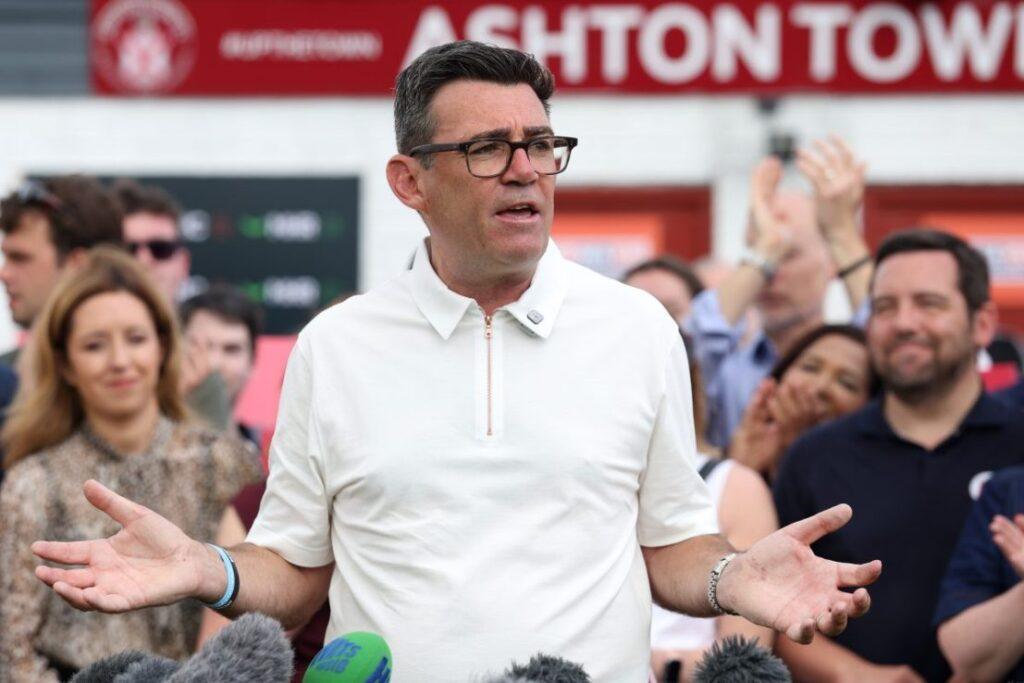
Prime Minister Andy Burnham has expressed his reservations about Gianni Infantino’s leadership of FIFA, labelling him the “wrong man” for the role. This statement comes amidst growing support within the UK for UEFA’s proposed boycott of the upcoming World Cup.
UK Government’s Stance on World Cup Boycott
As the debate intensifies, Burnham’s comments highlight a significant political dimension to the sporting event, reflecting widespread discontent with FIFA’s management under Infantino. The Prime Minister’s assertion resonates with a faction of British football fans and officials who are advocating for a strong stance against what they perceive as a lack of accountability within the football governing body.
The proposal for a boycott stems from concerns over various issues, including human rights violations and the treatment of workers involved in World Cup preparations. As the UK grapples with its position on the international stage, the Prime Minister’s remarks could bolster calls for action among fans and governing bodies alike.
Reactions from Football and Sporting Communities
The football community’s response has been mixed, with many players and former professionals weighing in on the potential boycott. Some support the idea, believing it sends a powerful message about ethical standards in sport, while others worry about the implications for athletes who wish to compete on the world stage.
Burnham’s condemnation of Infantino aligns with sentiments expressed by numerous football associations across Europe, who are increasingly questioning the leadership and policies enacted by FIFA. The Prime Minister’s strong rhetoric may galvanise further discussions regarding the integrity of international sport and the responsibilities of its governing bodies.
Implications for Future International Tournaments
This situation poses significant implications for future international tournaments and the relationship between national federations and FIFA. A boycott could lead to a fractured relationship between European football associations and the global governing body, potentially reshaping the landscape of international competitions.
As the situation continues to unfold, the focus will remain on how FIFA responds to these criticisms and whether any tangible changes will occur in its governance. The outcome of this discourse may influence not only the next World Cup but also the broader dynamics of international football governance moving forward.


More Stories
Discover the Finest Pinot Noir to Buy This Week: Top Picks for Wine Lovers
Mike Ashley Criticises Burnham’s ‘Populist’ Strategies for High Street Revival
Uefa Issues Criminal Complaint Warning to Infantino Amidst Escalating Fifa Dispute