
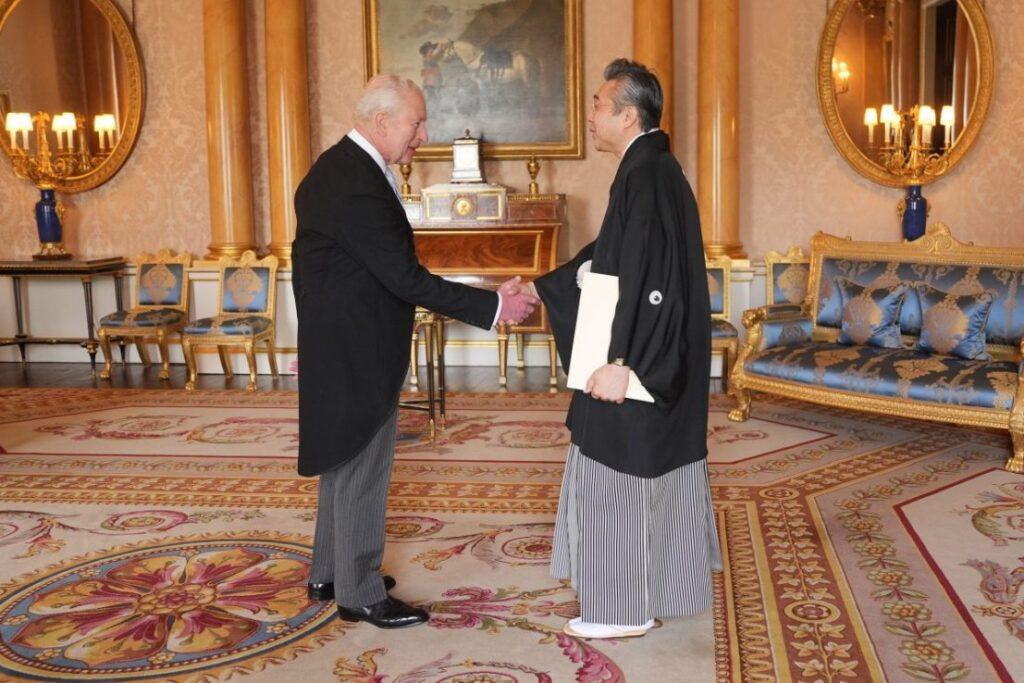
On the anniversary of VJ Day, Hiroshi Suzuki, the Japanese Ambassador to the United Kingdom, has reaffirmed his commitment to fostering strong ties between Japan and the UK under the leadership of Prime Minister Burnham. This year marks 81 years since the conclusion of the Second World War, a period that has seen Japan evolve into a nation dedicated to peace and stability within the international community.
Throughout the decades, Japan has actively pursued reconciliation efforts with the UK. The current relationship between the two nations is characterised by mutual trust and cooperative spirit, achievements made possible through the dedicated efforts of numerous individuals who worked to mend the wounds of war, promote reconciliation, and cultivate friendship. It remains essential to remember the war’s harrowing legacy and the profound sorrow it caused.
Japan’s Commitment to Humanitarian Aid
The ongoing international crises, particularly Russia’s invasion of Ukraine, evoke memories of past conflicts. As a peace-loving nation, Japan has stepped up to restore international order by providing substantial humanitarian assistance to Ukraine, amounting to £14.5 billion. This support includes winter relief, healthcare, food, and reconstruction efforts, such as mine clearance, agricultural initiatives, and governance support. The UK and Europe have displayed commendable leadership in aiding Ukraine, and Japan is determined to continue its collaborative efforts in this endeavour.
Strengthening Defence Cooperation through GCAP
As the Japanese Ambassador, I firmly believe in the immense potential for Japan and the UK to collaborate for global advancement. This potential is exemplified by the Global Combat Air Programme (GCAP), an initiative where Japan, the UK, and Italy are jointly developing a next-generation combat air system.
GCAP aims to enhance the security links between the Indo-Pacific region and Europe and the Atlantic. It transcends a traditional fighter aircraft development programme, presenting a novel model for cooperation in cross-regional security. Its unique feature is a software and hardware platform that allows for the integration of new functions, akin to smartphone applications, tailored to meet the specific needs of each participating country.
Japan, the UK, and Italy are leveraging advanced technologies and their respective expertise to deliver cutting-edge capabilities while ensuring interoperability with the United States. This potential has attracted interest from Canada, which has recently commenced participation as an observer.
Moreover, GCAP is poised to yield long-term advantages in terms of domestic employment, industrial growth, and technological advancement for all partner nations. There is a strong commitment from the involved countries to ensure the first fighter aircraft is operational by 2035, making it imperative that we collectively meet this target.
Recent Developments and Future Prospects
In light of this commitment, I welcome the recent UK Defence Investment Plan, which allocates £8.6 billion over the next four years to support these initiatives. With the funding pledged by the three countries, the GCAP International Government Organisation (GIGO) successfully signed a £4.6 billion contract with Edgewing, the international joint venture established by the countries, on 3 July. This milestone is a significant achievement in our collaboration.
From 19 to 21 July, Japan’s Defence Minister Koizumi visited the UK to engage in a series of GCAP-related activities, including participation in the Farnborough Airshow and a trilateral meeting with his British and Italian counterparts. This gathering underscored the strong ties between Japan, the UK, and Italy through GCAP, particularly highlighting the close partnership between Japan and the UK.
Expanding Bilateral Cooperation Beyond GCAP
Beyond GCAP, there exists vast potential for further collaboration between our nations, which share fundamental values and strategic interests. During Prime Minister Takaichi’s visit to the UK in June, we reached agreements on cooperation in economic security and frontier technology—elements that will significantly enhance the economic growth of both countries.
With the UK set to host the G20 next year and the G7 in 2028, I am optimistic about the advancements in Japan-UK cooperation through close engagement with the new administration under Prime Minister Burnham. I am dedicated to ensuring that our efforts in this regard are unwavering.
Hiroshi Suzuki is Japan’s ambassador to the UK.



More Stories
Pension Savers Reclaim £188 Million After HMRC Overtaxes Withdrawals: A Shocking Oversight
How UK Tax Regulations Influenced the Recent Transfer Window
Revolutionary Inheritance Tax Changes Set to Transform Pension Utilisation in the UK