
Advancements in Space-Based Bioprinting
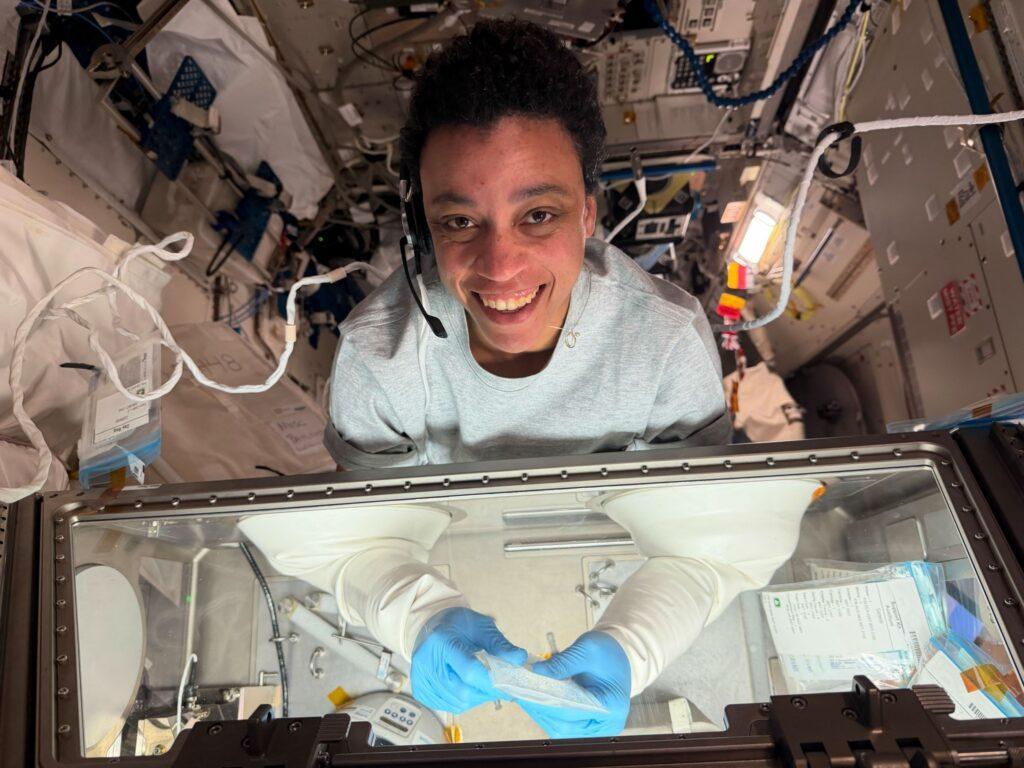
On 9th October 2026, NASA astronaut and Expedition 75 flight engineer Jessica Watkins engaged in groundbreaking research within the Kibo laboratory module’s Life Science Glovebox. During this mission, she meticulously combined live cell samples with a bioink, subsequently filling a specialised cartridge with the resultant cell-ink mixture. This innovative procedure is part of the InSPA-Auxilium Bioprinter-Cell Printing investigation, which aims to revolutionise the production of cartilage tissue through 3D bioprinting techniques in the unique environment of microgravity.
Potential Benefits for Earth and Beyond
The research is significant as it seeks to produce cartilage tissue of a higher quality than what is currently achievable on Earth. By leveraging the microgravity conditions found in space, scientists hope to enhance the biomanufacturing process, which could lead to substantial advancements in medical treatment for conditions requiring cartilage repair or replacement. The implications of this research extend beyond terrestrial applications; it also holds promise for supporting astronauts on long-duration space missions, where maintaining the health of crew members is paramount.
Innovative Techniques in Microgravity
The InSPA-Auxilium project exemplifies how space exploration can contribute to scientific breakthroughs that directly impact human health. The bioprinting of cartilage in a microgravity environment not only showcases the capabilities of modern technology but also highlights the potential for future medical advancements. As research continues, the insights gained from these experiments may lead to improved bioprinting techniques, providing new hope for patients requiring cartilage-related therapies.
Building a Bridge Between Space and Healthcare
As we look to the future, the connection between space exploration and healthcare becomes increasingly clear. The findings from this research could pave the way for novel treatments and manufacturing processes that benefit both patients on Earth and astronauts venturing into the depths of space. NASA’s commitment to exploring these frontiers underscores the importance of innovation in addressing some of the most pressing medical challenges faced by humanity.



More Stories
NASA Set to Launch Low-Altitude Flight Missions Above Texas Farmland
NASA Shares Exciting Developments on Lunar Base Rover Progress
Curiosity Rover Update: Observing Stunning Cloud Dynamics Over Sols 5036-5042