
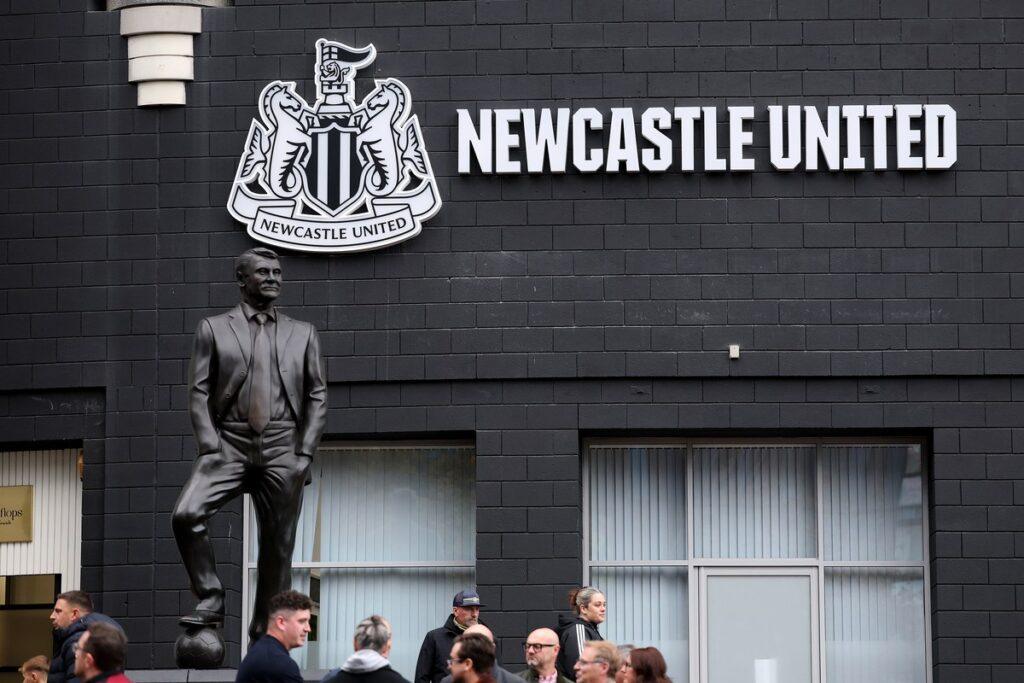
Members of Parliament representing Newcastle have been urged to refrain from accepting hospitality from Newcastle United, amid growing concerns that such gestures may have dulled their criticism of the club’s ownership. This call for action highlights the delicate balance between political oversight and personal relationships within the realm of sports.
Growing Concerns Over Club Relationships
The request has emerged in light of the ongoing discussions surrounding the club’s management and its impact on the local community. Critics argue that the acceptance of hospitality could lead to a conflict of interest, potentially compromising the integrity of political representatives who are expected to hold the club accountable. The implications of such actions have sparked a wider debate regarding transparency and the responsibilities of public officials in relation to private entities.
As Newcastle United continues to navigate its position within the Premier League, the relationship between the club and local MPs has come under scrutiny. Detractors of the current ownership model assert that the hospitality extended to parliamentarians may serve to soften their stance on critical issues, including the club’s financial dealings and its broader impact on the region.
Political Accountability in Sports
The dialogue surrounding the conduct of Newcastle’s MPs reflects a growing awareness of the necessity for accountability within the realm of sports governance. Stakeholders argue that representatives should prioritise the interests of their constituents over any personal connections to sporting clubs, particularly when those clubs are embroiled in controversies that affect the local populace.
As the debate continues, it remains to be seen how MPs will respond to these calls for ethical considerations. The balance between enjoying the cultural and economic benefits of a local football club and maintaining an independent, critical perspective is proving to be a contentious issue in Newcastle.
Implications for Future Engagements
This situation raises important questions regarding the future of hospitality practices within sports organisations and their relationship with political figures. As public figures, MPs are expected to uphold certain standards of conduct that reflect their commitment to public service and accountability. The challenge lies in ensuring that they can engage with local institutions without compromising their integrity or the trust placed in them by their constituents.
Moving forward, MPs in Newcastle will need to navigate these complexities carefully, weighing the benefits of community engagement against the potential risks of perceived bias. The outcome of this discourse may well set a precedent for how political figures interact with sporting entities, not only in Newcastle but across the UK.


More Stories
OBR Set to Raise Concerns Over Healey’s Budgetary Pressures
Concerns Over Trump Trade War Lead to Cancellation of Warehouse Tax
Indulge in Caviar All Day: Experience Luxury Dining Aboard the World’s Only Icebreaker with Alain Ducasse