
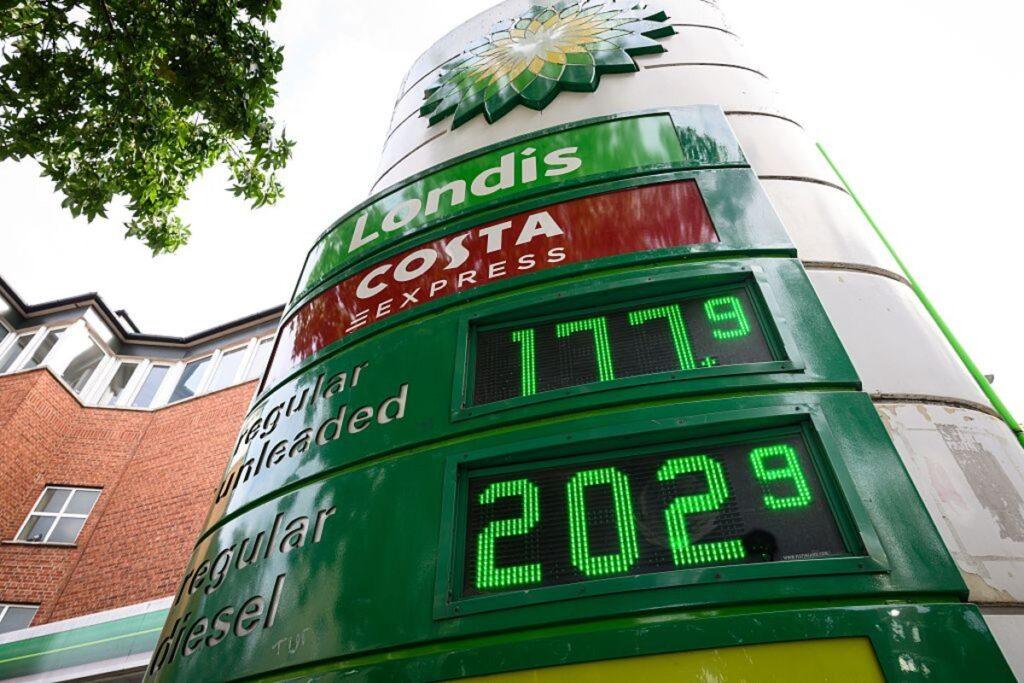
The upcoming meeting takes place against a backdrop of significant economic concern, with leading economists cautioning that diesel prices could soar to an alarming 300 pence per litre. This projection comes in light of potential actions by the United States to impose a complete ban on all diesel exports, which could have far-reaching implications for global fuel markets.
Economic Implications of Diesel Price Surge
The prospect of skyrocketing diesel prices has raised eyebrows among industry experts and policymakers alike. Should the US follow through on its threat, the ripple effects could be felt worldwide, particularly in countries heavily reliant on diesel imports. Such a price hike would not only strain budgets for consumers and businesses but could also exacerbate inflationary pressures across various sectors.
Economists are closely monitoring these developments, as the energy market is already experiencing heightened volatility. With geopolitical tensions and supply chain disruptions further complicating the landscape, any increase in diesel pricing could lead to significant economic ramifications, prompting discussions among stakeholders about alternative energy sources and the need for strategic reserves.
The Role of International Trade in Fuel Prices
The interconnectedness of global fuel markets underscores the importance of international trade agreements and export policies. A ban on diesel exports from the US would not only limit supply but could also lead to retaliatory measures from other nations, potentially igniting a trade war that could destabilise the energy market further.
In this context, it is vital for nations to engage in constructive dialogue to find solutions that support both domestic needs and international economic stability. As countries assess their energy policies, the focus will likely shift towards sustainability and reducing reliance on fossil fuels in the long term, even as immediate concerns about pricing and supply loom large.
Future Considerations for Consumers and Businesses
For consumers and businesses, the threat of rising diesel prices serves as a critical reminder to prepare for potential disruptions in the market. Companies may need to reassess their logistics and supply chains, while individuals could rethink their transportation choices. This situation also presents an opportunity for innovation in alternative fuel technologies and investment in renewable energy sources.
As the situation unfolds, stakeholders across the spectrum will need to remain vigilant and adaptable. The potential impact of US export policies on diesel prices not only affects economic indicators but also shapes the broader conversation about energy security and environmental sustainability.




More Stories
Badenoch Pledges to Eliminate £100k Childcare Cliff Edge from Previous Tory Administration
Wetherspoon Chief Slams Labour Over ‘High Street Neglect’ Amid Declining Profits
Costa Coffee Celebrates Significant Growth Following Coca-Cola’s Decision to Retain Ownership