
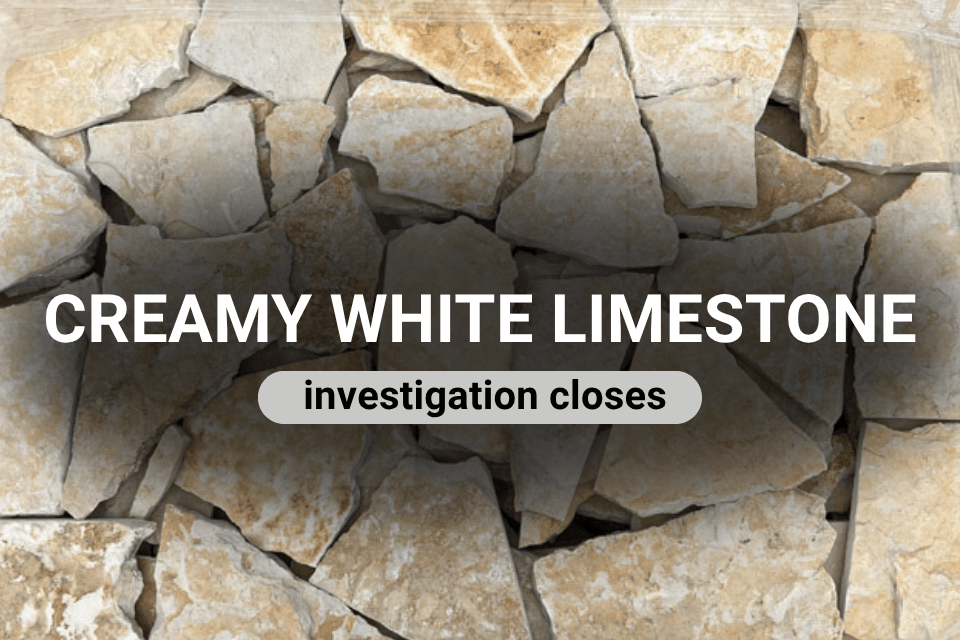
The Trade Remedies Authority has concluded its investigation into the alleged subsidies related to imports of creamy and white limestone from Portugal, determining that there is insufficient evidence to suggest that these goods have benefited from countervailable subsidies.
Creamy and white limestone, a natural stone product, is widely utilised in high-end architectural projects, heritage restorations, and premium commercial constructions.
Investigation Background and Claims
The investigation was initiated in January 2026 following a complaint from a UK producer. This producer claimed that the Portuguese government was subsidising the manufacture of creamy and white limestone, which in turn was harming the domestic industry in the UK.
The complaint highlighted four distinct subsidy programmes, including grants, non-repayable financial assistance, and other forms of government-funded support aimed at bolstering the stone industry in Portugal. It was alleged that these subsidies enabled Portuguese manufacturers to invest in more advanced machinery, thereby enhancing their competitive edge in international markets.
Findings of the Investigation
Throughout its investigation, the TRA conducted a comprehensive evaluation of the subsidy programmes in question but was unable to substantiate the necessary criteria for classifying them as countervailable subsidies.
Specifically, the investigation found no evidence supporting the following criteria:
- An executed payment or any financial contribution to the identified recipients.
- A demonstrable benefit received by a producer or overseas exporter during the period of investigation (POI).
- Specificity of the subsidy programmes.
- A combination of these factors.
While it was acknowledged that some programmes received subsidies and certain recipients may have gained financial advantages, these findings did not meet the World Trade Organization’s criteria for countervailable subsidies. Consequently, the TRA has closed the investigation.
Understanding Creamy/White Limestone and Trade Remedies
The products at the centre of this investigation include creamy and white limestone sourced from Portugal, available in both slab and finished stone forms. Slabs are simply cut or sawn natural stones, while finished stones have undergone processing to prepare them for installation.
Subsidies represent one of three trade remedy mechanisms used to mitigate the impact of goods that may cause harm to the UK industry. These measures are strictly governed by criteria established within the World Trade Organization’s global framework for trade remedies. A subsidy can be classified as countervailable if it is specifically directed towards certain companies, industries, or regions and is granted either directly or indirectly for the manufacture, production, export, or transportation of goods.
The investigation period spanned from 1 January 2025 to 31 December 2025, while the injury assessment period covered 1 January 2022 to 31 December 2025.
Further Information Available
For those seeking more insights into the UK’s trade remedies framework, additional information is accessible through online guidance resources. More details regarding the TRA’s processes for determining subsidies and countervailing duties can also be found in their guidance documentation on subsidies. Complete records pertaining to this case can be reviewed in the TRA’s public file.

More Stories
SLC Disburses £0.8 Billion in Maintenance Loans to Students Today
UK Addresses Iran in Engaging Interactive Dialogue at UN Human Rights Council 63
Understanding Climate Security: Insights from the Foreign Secretary at New York Climate Week