
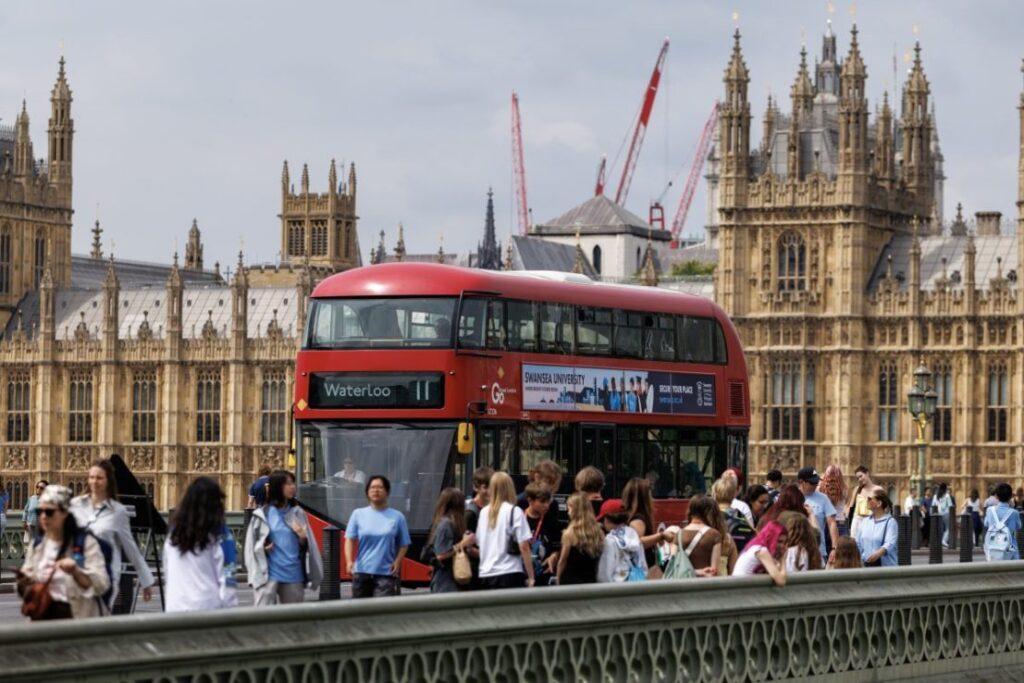
London’s public transport system, particularly its iconic red double-decker buses, has long been a point of pride for the city. With City Hall already overseeing the bus network, the proposal for a publicly owned bus operator raises questions about the necessity and implications of such a move. Sadiq Khan, the Mayor of London, seems to be entertaining this idea, prompting a closer examination of its potential impact on the city’s transport infrastructure.
The Current State of London’s Bus Network
The London bus network is one of the most extensive in the world, managed by Transport for London (TfL) under the auspices of the Mayor. This existing framework allows for streamlined operations and a cohesive strategy for public transport across the capital. However, the conversation surrounding a publicly owned bus operator suggests a desire for further control, particularly in response to rising operational costs and the need for improved services.
Many advocates for a publicly owned operator argue that it could lead to enhanced accountability and service quality. The perception is that privatisation has led to a fragmented system, where profit motives can overshadow public service. A wholly public operator could, in theory, prioritise the needs of commuters over financial returns, potentially re-establishing a focus on accessibility and reliability.
Challenges of Establishing a Public Operator
Despite the appealing notion of a publicly owned bus service, there are significant challenges that must be considered. Establishing a new operator would require substantial investment, not only in infrastructure but also in workforce training and development. The operational complexities of running an extensive bus network are considerable, and there is a risk that a newly formed operator could struggle with efficiency and reliability.
Moreover, the implications for existing contracts with private operators could be profound. A shift towards public ownership could lead to legal disputes and potential compensation claims from those currently contracted to operate bus services. This could place additional financial burdens on TfL, which is already grappling with budget constraints exacerbated by the pandemic.
Public Sentiment and Political Considerations
Public opinion plays a crucial role in the discussion surrounding transport services in London. Many residents are keen to see improvements, particularly in areas such as punctuality and coverage. By exploring the idea of a publicly owned bus operator, Sadiq Khan may be attempting to gauge public sentiment and address concerns raised by constituents.
Furthermore, this proposal could be viewed as a strategic move within the broader context of London’s transport policy. By positioning himself as an advocate for public ownership, Khan may seek to strengthen his political standing, particularly among groups that favour public service over private enterprise. Balancing these political considerations with the practicalities of transport management will be a delicate task.
The Future of London’s Public Transport
As the discussion continues, it is evident that the future of London’s bus services remains a contentious topic. The proposal for a publicly owned operator is laden with both potential benefits and significant hurdles. Ultimately, the decision will hinge on a thorough evaluation of the operational, financial, and social implications of such a shift. As London strives to adapt its transport network to the evolving needs of its residents, careful thought must be given to the most effective and sustainable model for the city’s iconic buses.




More Stories
Bank of England Set to Increase Interest Rates in 2023: What You Need to Know
Mortgage Rates Reach Five-Month Peak as Bank of England Decision Approaches
Scottish ‘Ghost Course’ Near Gleneagles Awaits International Buyer