
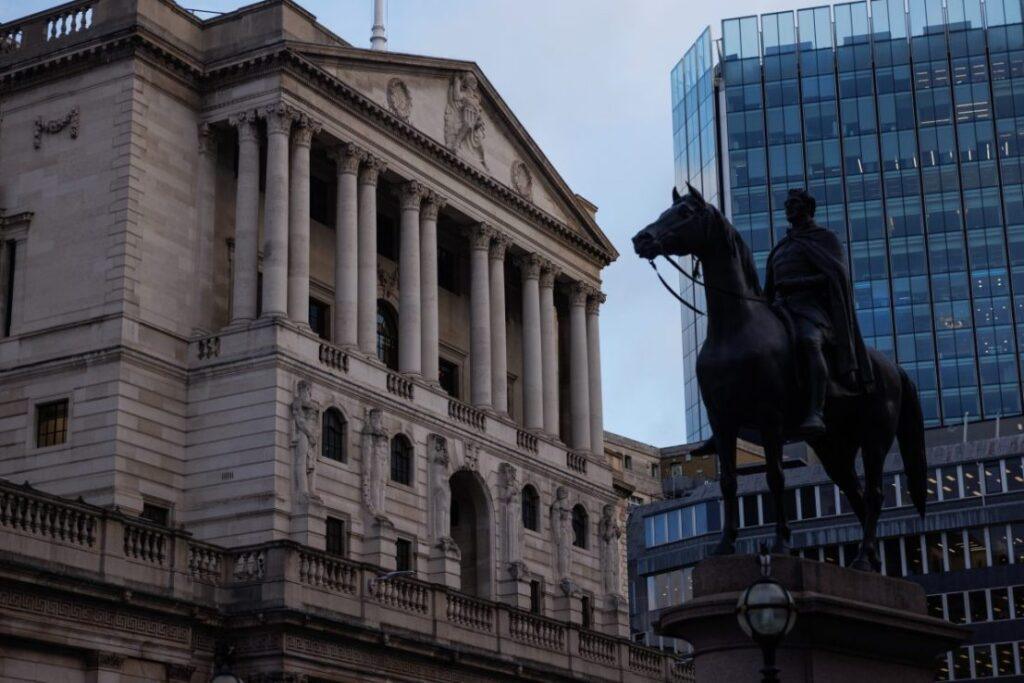
Mortgage rates are reaching a five-month peak, coinciding with the upcoming monetary policy meeting of the Bank of England. This surge in rates is raising concerns among potential homeowners and investors alike, as the financial landscape continues to evolve in response to broader economic conditions.
Current Trends in Mortgage Rates
The rise in mortgage rates has been attributed to various factors, including inflationary pressures and shifts in the economic outlook. Lenders are adjusting their rates in anticipation of the Bank of England’s decisions, which could significantly impact borrowing costs. As the central bank deliberates on monetary policy, many are watching closely to gauge how these changes will influence the housing market and overall economic sentiment.
In recent months, the mortgage landscape has been characterised by volatility. The latest increase in rates serves as a reminder of the challenges facing both buyers and financial institutions. Higher borrowing costs can deter prospective homeowners, potentially cooling demand in the property market at a time when many are seeking to enter or upgrade their living situations.
The Implications for Homebuyers and Investors
For homebuyers, the implications of rising mortgage rates can be profound. Increased rates often lead to higher monthly repayments, which can affect affordability. Many first-time buyers, who are already grappling with the pressures of a competitive market, may find it increasingly difficult to secure a mortgage that fits their budget. This situation could lead to a slowdown in housing transactions, as potential buyers reassess their financial situations in light of changing rates.
Investors, too, must navigate this shifting terrain. Those looking to capitalise on property investments may need to reconsider their strategies, particularly if financing becomes more expensive. The interplay between interest rates and property values will be a critical factor in determining the attractiveness of real estate as an investment in the coming months.
Looking Ahead: The Bank of England’s Role
As the Bank of England prepares for its upcoming meeting, market participants are keenly aware of the potential ramifications of its policy decisions. Any signals regarding future interest rate hikes or adjustments to quantitative easing measures could further influence mortgage rates and economic stability. Analysts and financial experts will be scrutinising the central bank’s communications for indications of its next moves.
In summary, the current surge in mortgage rates, coupled with the Bank of England’s impending monetary policy meeting, marks a pivotal moment for the housing market and the economy at large. Stakeholders across the spectrum, from homebuyers to investors, will be watching closely as they navigate this evolving landscape.




More Stories
Why Nationalising London Buses is a Solution to a Problem that Doesn’t Exist
Bank of England Set to Increase Interest Rates in 2023: What You Need to Know
Scottish ‘Ghost Course’ Near Gleneagles Awaits International Buyer