
Nature and Nurture is a two-hectare riparian woodland nestled along the River Avon in Wiltshire, characterised by its low-lying terrain and a diverse mix of alder and willow trees. The site is subject to seasonal flooding, with water levels often rising above one metre for several days and persisting for weeks each year. Within this verdant landscape lies an established plantation of approximately 600 cricket bat willows (Salix alba var. caerulea), cultivated specifically for their timber.
The cricket bat willows are arranged in two rows, creating a striking avenue that extends 1.6 kilometres along the riverbank. Renowned for their swift growth and straight trunks, these willows yield a lightweight yet durable wood that is highly sought after for crafting cricket bats.
Protecting Valuable Timber from Beaver Damage
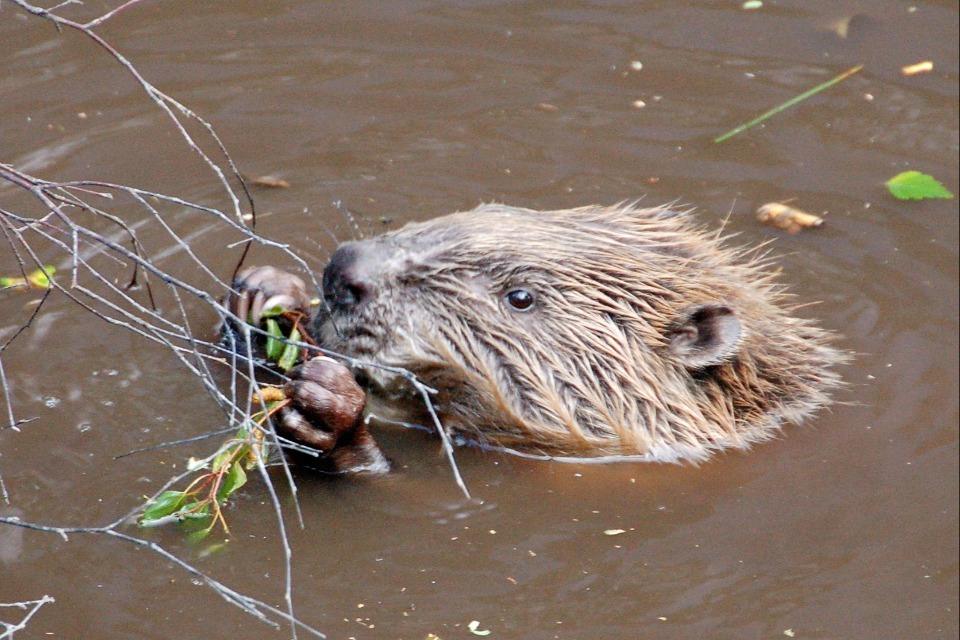
The presence of Eurasian beavers along this stretch of the River Avon has been noted for at least three years. During this period, these industrious mammals have felled five cricket bat willows, resulting in the loss of valuable timber resources. In light of this, landowner Tristram Lewis recognised the urgent need to safeguard the remaining trees from potential beaver incursions.
Implementing a comprehensive fencing solution for the entire area would not only be financially prohibitive but also labour-intensive. Additionally, the risk of seasonal floods causing debris to accumulate against any constructed fence raised concerns about potential damage and disruption to natural water flow. This situation would require planning permission. Coupled with Tristram’s desire to avoid restricting the movement of other wildlife, a more focused approach was adopted; individual cricket bat willows were to be protected.
Innovative Solutions for Tree Protection
Between 2023 and 2024, leveraging funding from the Countryside Stewardship Protection and Infrastructure grant (BC4), Tristram began the installation of welded-mesh tree guards around each cricket bat willow. Each guard is secured by two hardwood stakes per tree, providing a robust defence against beaver activity.
To accommodate the site’s frequent flooding, the guards were installed to a height of 100 to 120 cm, exceeding the minimum requirement of 90 cm. This additional height is crucial for ensuring the guards remain above the floodwaters that frequently inundate the area. Tristram has discovered that the rubber strips designed to prevent abrasion between the tree and the guard must be secured firmly; however, even then, they risk being dislodged during severe floods.
As time progressed, Tristram expressed concerns regarding the suitability of hardwood stakes in the waterlogged conditions, fearing that they may rot. He observed, “The above-ground stake can be submerged for weeks in a year, but within the ground, it can stand in an inch or two of water for many more weeks annually.” Following these observations, he reached out to the Rural Payments Agency and received approval to replace the wooden stakes with rebar (reinforcing bar) metal stakes. This change has significantly reduced maintenance needs, as the durable materials have proven resilient.
Despite some native, unprotected alder and willow trees still being foraged, Tristram has successfully protected all individual trees designated with guards from beaver damage. Although safeguarding exposed roots demanded additional materials, the grant covered all installation costs.
Future Management Plans for Sustainable Grazing
Looking ahead, Tristram aims to introduce a small number of cattle to graze seasonally on the site. This initiative would not only benefit the welfare of the livestock but also assist in managing the dense growth of nettles surrounding the cricket bat willows. If left unchecked, these nettles can grow to heights of up to 2.1 metres, complicating access for tree protection installation and maintenance.
However, for the time being, livestock remain excluded as Tristram assesses the risks associated with cattle damaging the welded-mesh tree guards, alongside the prohibitive costs of installing additional cattle-proof tree guards. Nevertheless, he remains dedicated to refining his management practices and adapting his strategies to ensure the long-term viability of the cricket bat willow plantation.
Resources for Further Guidance
For those seeking additional insights, consider exploring the following resources:
- Countryside Stewardship – Information on applying for a Protection and Infrastructure grant.
- NatureScot – Guidance on protecting trees from Eurasian beavers using wire mesh.
- Beaver Management Group – Support and advice for landowners cohabiting with Eurasian beavers in England, Scotland, and Wales.
- Small mammal, beaver and domestic grazing species damage to trees: visual guide – Guidance on identifying damage caused by beavers.




More Stories
UK Firms Win £330 Million in African Infrastructure Contracts
Domestic Abuser Sentenced to Longer Jail Term for Suffocating Former Partner
UK Emphasises Importance of Kosovo-Serbia Relations Normalisation for Long-Term Stability at UN Security Council