
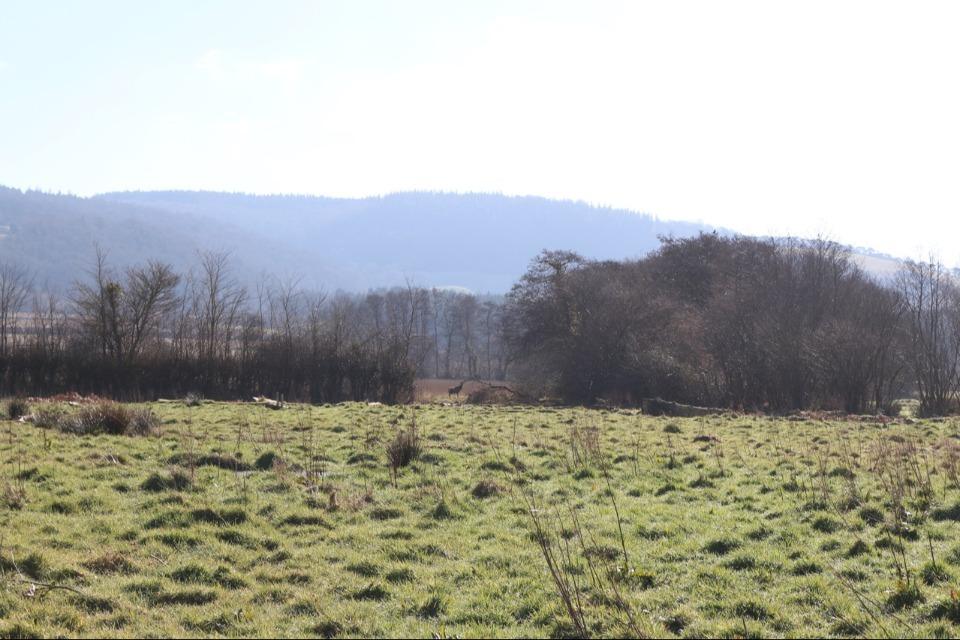
Holnicote Estate, located within the picturesque Exmoor National Park in West Somerset, covers an expansive area of 5,059 hectares, of which 600 hectares is designated as woodland. This estate is a prominent example of diverse ecological management, featuring a mix of lowland broadleaved woodland, coniferous woodland, ancient woodlands, and riparian habitats. Established through both planting and natural regeneration, its management is primarily focused on nature conservation, supported by funding from various environmental schemes.
Exploring the Rich Landscape
The Holnicote Estate is characterised by its varied topography, which includes the rugged moorland of Dunkery Hill, the serene shingle beaches at Selworthy and Bossington, and a wealth of woodland environments. Notably, the estate encompasses the Horner Wood National Nature Reserve, a Site of Special Scientific Interest, which is home to 351.8 hectares of ancient oak woodland. The estate also benefits from extensive public access, with 150 miles of public footpaths and bridleways available to visitors, as mandated by the Countryside and Rights of Way Act 2000.
Challenges Posed by Grey Squirrels
Among the various challenges faced by the estate, grey squirrels are particularly detrimental to woodland habitats. These invasive mammals are known to strip bark from trees, both young and old, which can lead to severe structural weaknesses. In extreme cases, they can remove as much as 60-70% of a tree’s bark, significantly increasing vulnerability to wind damage. Moreover, the recent identification of pine martens on the estate has complicated grey squirrel control measures, as lethal traps are no longer viable to avoid harming the pine martens.
In response to this challenge, the estate collaborates with neighbouring landowners in a wider grey squirrel control initiative within Exmoor National Park. This includes establishing a syndicate of trained volunteers who utilise low-powered air rifles to manage the grey squirrel population effectively. A trained volunteer has already culled around 150 grey squirrels from areas experiencing substantial damage, all while ensuring that public safety remains paramount.
Innovative Approaches to Tree Protection
In considering protective measures for young trees, Holnicote Estate opted against traditional deer fencing, recognising its potential to merely displace browsing deer to adjacent areas. The estate’s management team evaluated the long-term implications of fencing, including maintenance costs and the necessity for eventual removal, which often proves logistically challenging.
Instead of investing heavily in fencing, the estate has adopted a more flexible management strategy, supported by government grants aimed at facilitating targeted deer and squirrel control. This multifaceted approach includes overplanting certain tree species, thereby reducing reliance on guards and fencing altogether.
Effective Deer Management Strategies
While red deer contribute positively to local tourism, the browsing habits of roe deer pose a significant threat to young trees and coppice regeneration, particularly in areas where Eurasian beavers are present. To combat this, Holnicote Estate employs Trico®, a deer repellent spray made from emulsified sheep fat, which is applied manually to each tree twice a year. Early results indicate that this method has successfully reduced roe deer browsing damage to below 20% within the first year of its application.
To further support deer management, the estate is maintaining glades and rides along woodland edges, which provide alternative browsing habitats for deer, thereby lessening pressure on young tree growth. Historically, these areas represented a small fraction of the woodland, but current management plans actively incorporate glades and rides to enhance biodiversity and support deer management.
Balancing Wildlife Management and Habitat Conservation
As part of a holistic approach, lethal control of deer is selectively implemented to maintain healthy population levels, currently estimated at around eight deer per square kilometre. Simon Powne, a Wildlife Biologist with the National Trust, emphasises the importance of a balanced strategy that incorporates habitat management, tree species selection, and both non-lethal and lethal management techniques. This comprehensive approach aims to achieve the estate’s ecological objectives while ensuring the sustainability of both tree populations and local wildlife.
Further Resources for Woodland Management
For those interested in exploring more about woodland management and its challenges, several resources can be beneficial:
- National Trust – Detailed information on the Holnicote Estate and its conservation efforts.
- Confederation of Forest Industries – A two-year review of Trico® as a deer repellent.
- Scottish Forestry – Insights into woodland herbivore impact assessments.
- Forest Research – Techniques for quantifying wildlife damage to trees.
- Visual Guide – Identification tips for damage caused by grey squirrels and deer.




More Stories
Domestic Abuser Sentenced to Longer Jail Term for Suffocating Former Partner
UK Emphasises Importance of Kosovo-Serbia Relations Normalisation for Long-Term Stability at UN Security Council
Domestic Abusers Risk Eviction as Survivors Secure Enhanced Housing Rights